
 English
 русский
 Español



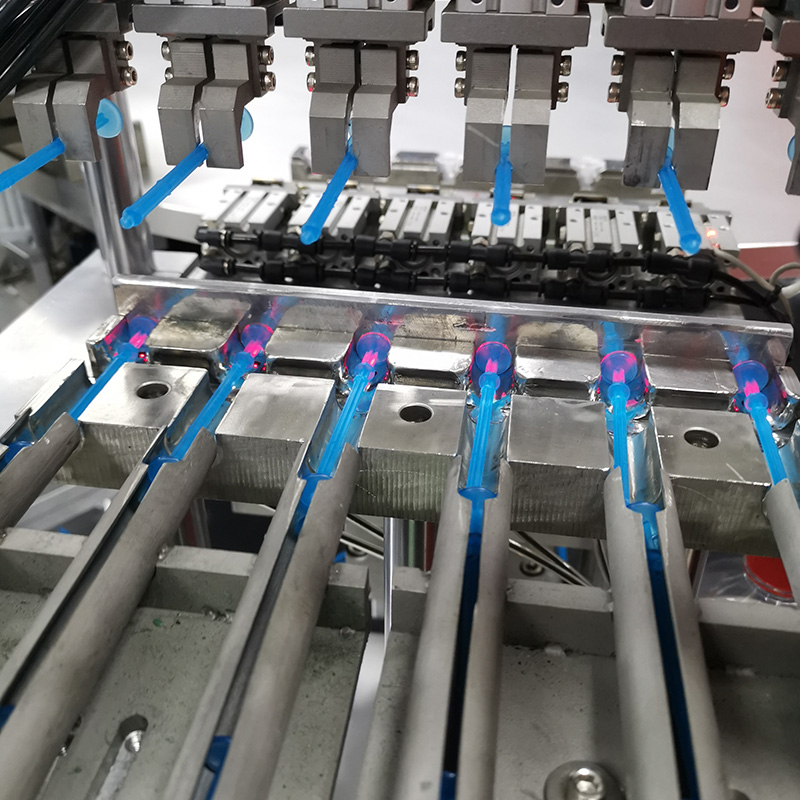
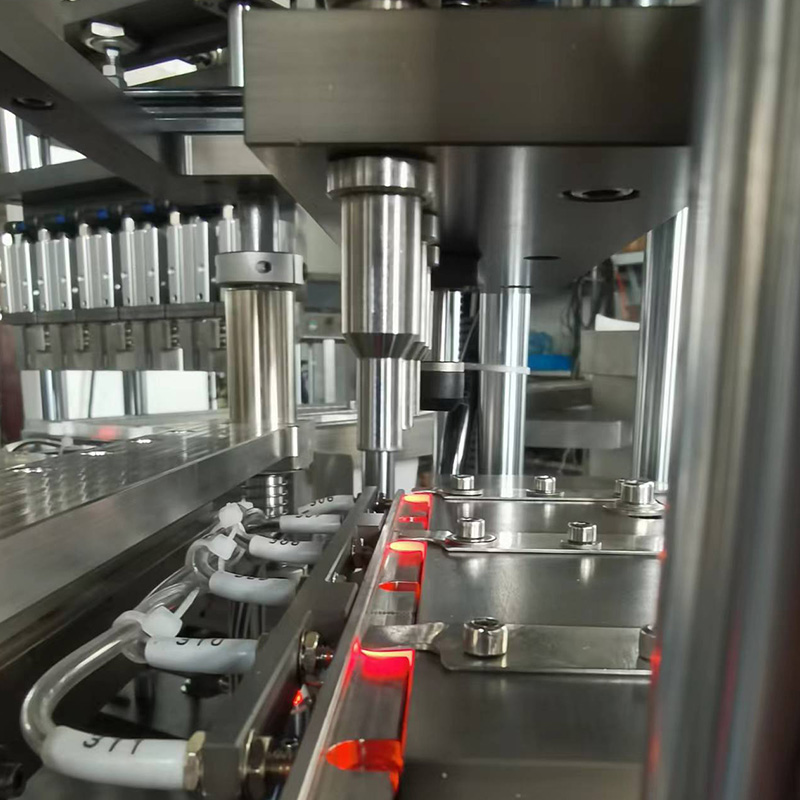
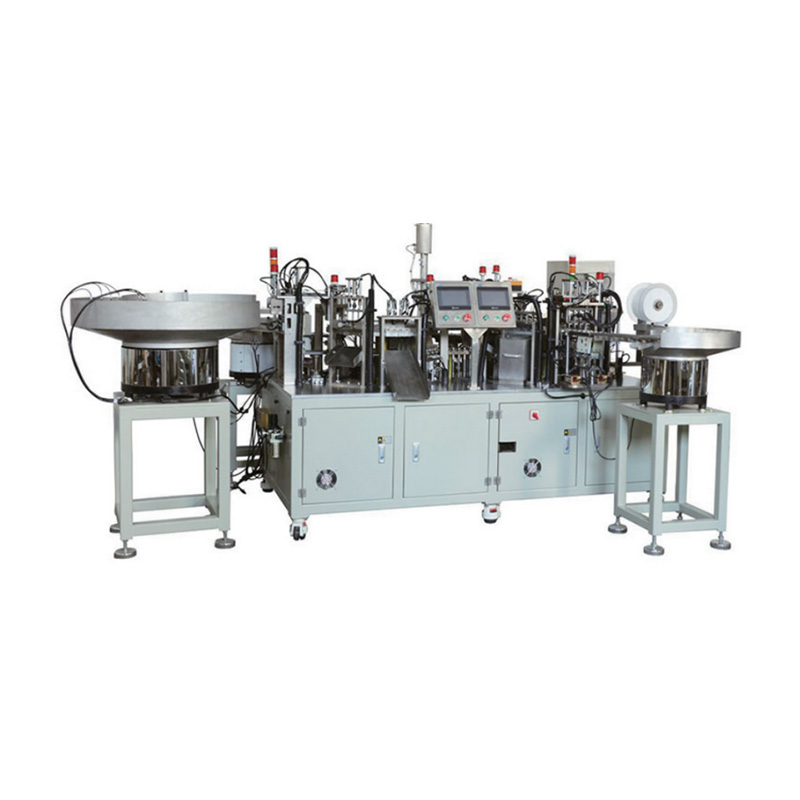
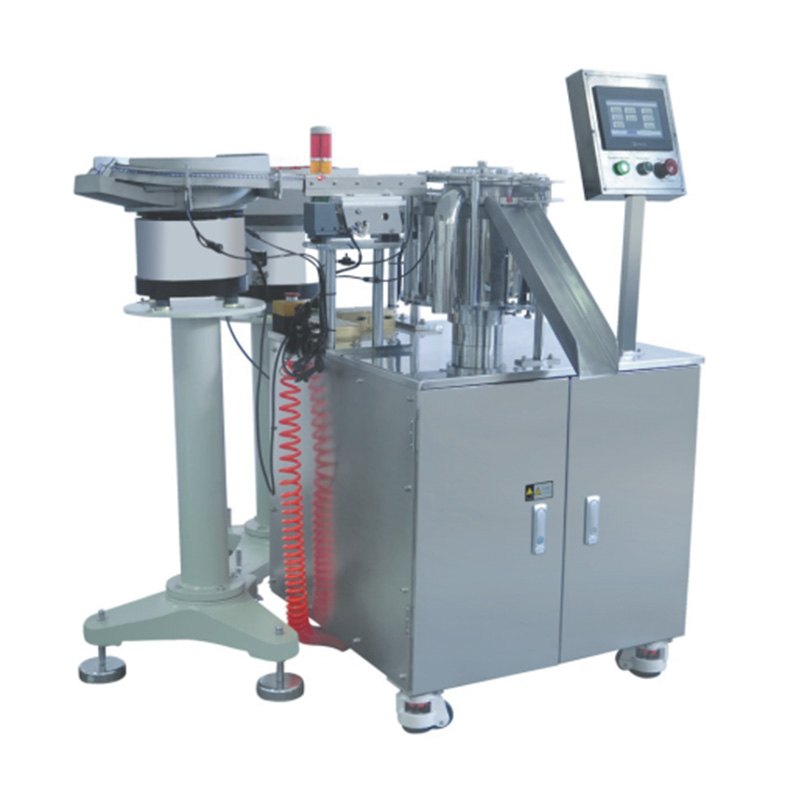
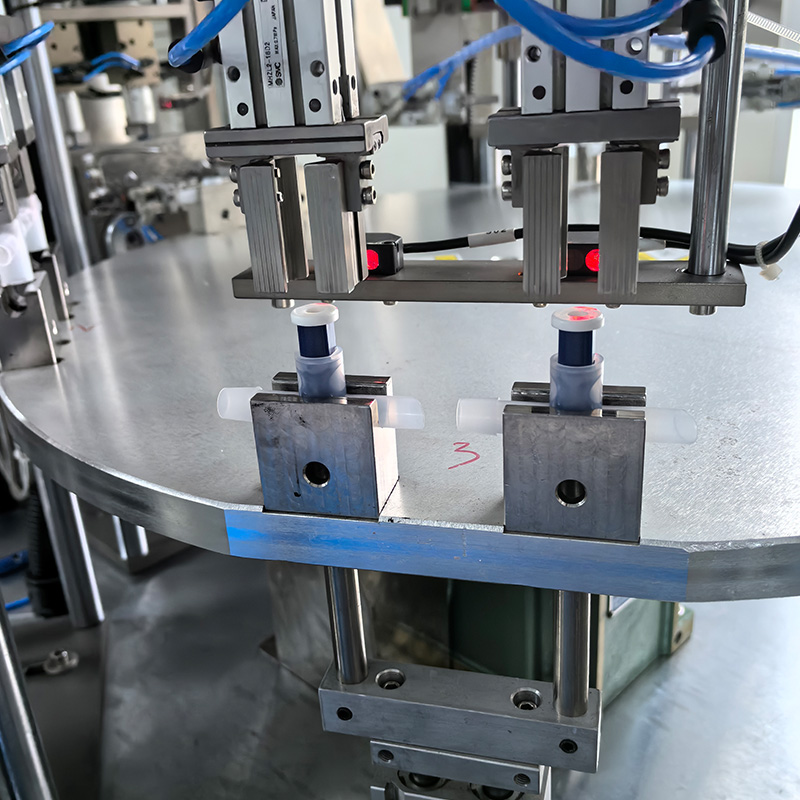
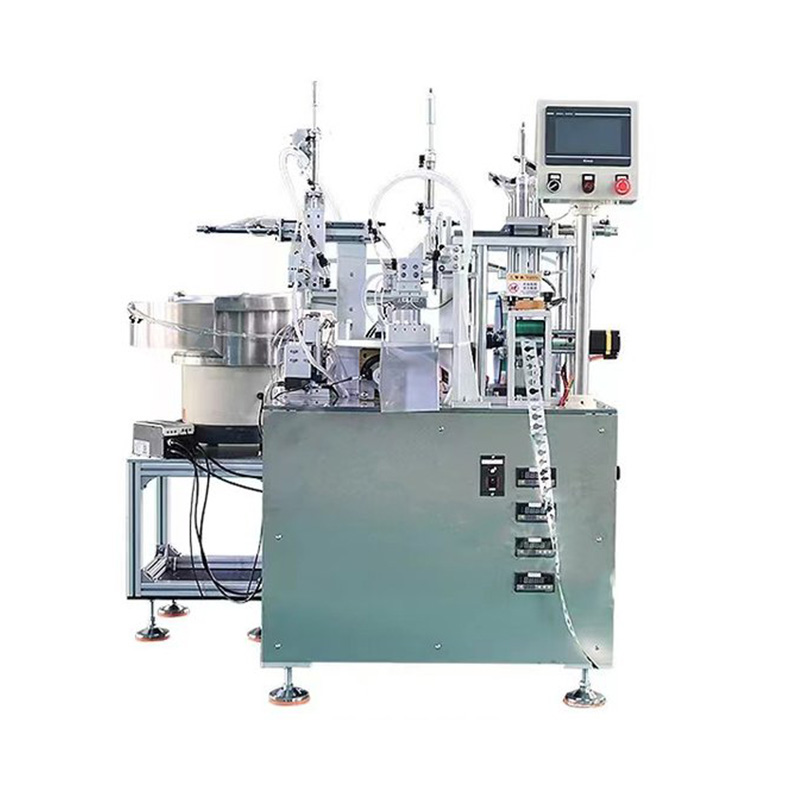
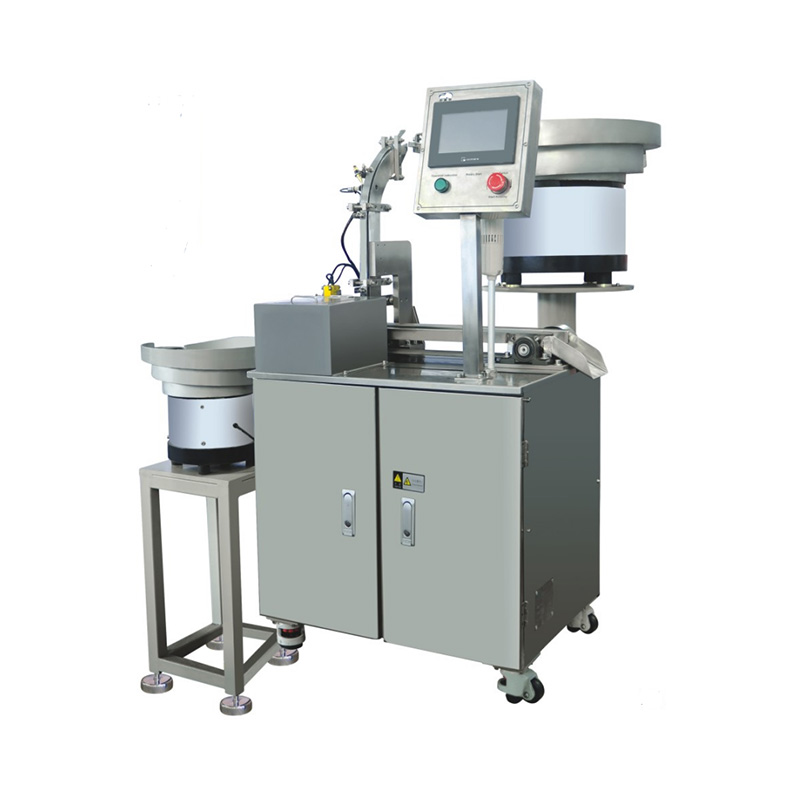
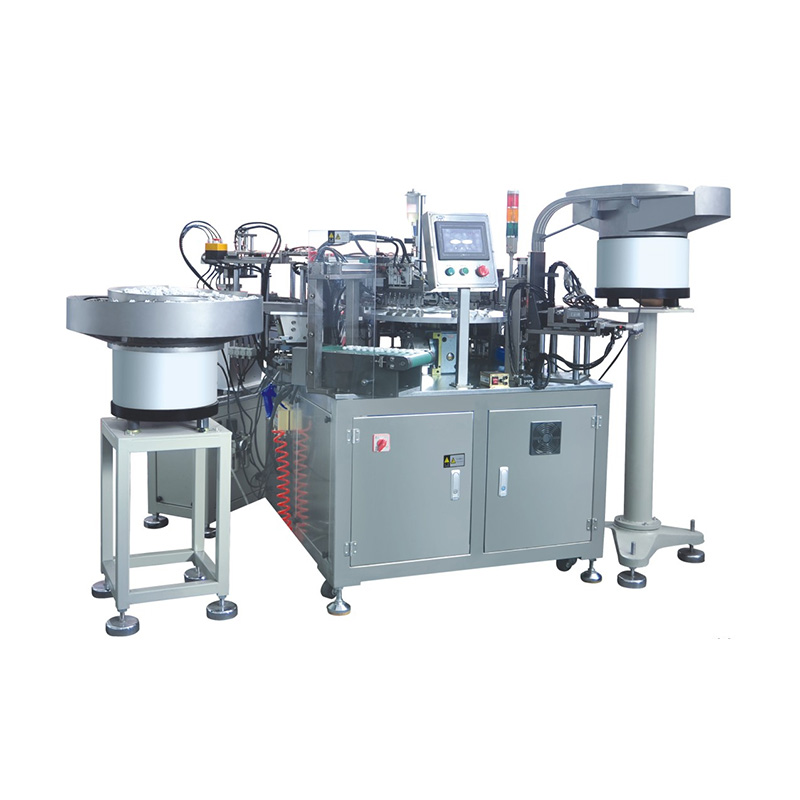
China Zhejiang Taizhou Ambe Trading Co., Ltd. is a manufacturer specializing in the production of medical equipment automation equipment.
Talk to anyone in medical device development, and they’ll tell you syringe design has evolved steadily over the years—and material science fuels a lot of that progress. Clinical teams consistently push for safer drug delivery, more reliable dosing, fewer pharmaceutical compatibility issues, and consistent sterilization outcomes. To meet those demands, manufacturers explore advanced polymers, medical-grade elastomers, and specialized glass formulations. Every aspect of syringe medical supplies—safety, durability, functionality, production efficiency—traces back to these material decisions. Both disposable syringes and prefilled delivery systems rely on materials that meet specific benchmarks for strength, chemical stability, biocompatibility, and processing performance.
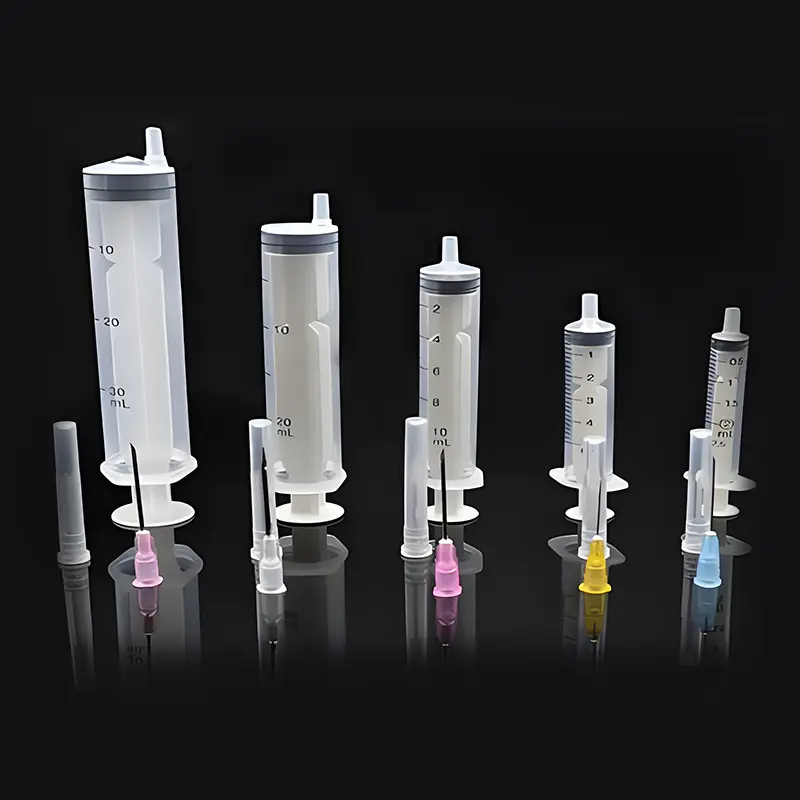
Medical-Grade Polypropylene Supports Disposable Syringe Manufacturing
Polypropylene (PP) is the workhorse of disposable syringe production, and for practical reasons. Step onto almost any factory floor making these products, and you’ll see it used for barrels, plungers, and many smaller plastic components. It’s lightweight, stands up to a range of common medical fluids, and injection molds cleanly at high volumes, keeping production consistent. Its core benefits include:
- Chemical resistance: PP works with many medical fluids, though every unique formulation still needs individual validation.
- Lightweight build: low density simplifies handling, packaging, and shipping.
- Production efficiency: injection molding supports large runs with repeatable dimensions.
- Design flexibility: it works for various barrel shapes, graduations, and structural features.
Not all PP grades are interchangeable, though. Stiffness, clarity, impact resistance, and molding behavior can vary noticeably between formulations. Pick the wrong grade, and issues like warping or poor clarity will show up in finished parts. The right approach is to match the grade to the application and product specs, not force a generic material to fit.
Cyclic Olefin Polymers Improve Clarity in Prefilled Syringes
When standard PP doesn’t fit the needs of prefilled delivery systems and specialized pharmaceutical syringes, cyclic olefin polymer (COP) and cyclic olefin copolymer (COC) often fill the gap. Their use has grown over time, thanks to a few key properties. High optical clarity lets clinical staff easily inspect medication contents for particles or discoloration before use. They also have relatively low moisture permeability to support certain packaging needs, plus good dimensional stability and low extractables in many grades.
COP and COC work well when drug stability and visual inspection are priorities, but they aren’t a universal fit. Drug-container compatibility, extractables and leachables, and seal integrity all need evaluation under real-world conditions. Storage temperature, shelf life, and sterilization requirements factor into that assessment too.
Medical-Grade Elastomers Improve Sealing and Injection Performance
No syringe design works properly without reliable sealing components, and that’s where elastomers come in. Plunger stoppers, tip caps, and all the small parts that contain fluids rely on materials that flex and maintain tight contact between surfaces. Common options include butyl rubber, bromobutyl rubber, and thermoplastic elastomers (TPEs). Butyl rubber is widely used for pharmaceutical closures for its useful gas barrier properties. Bromobutyl rubber adds stronger sealing and chemical resistance for select drug delivery systems. TPEs combine elastic performance with thermoplastic processing advantages, suiting flexible components when properties align.
Key factors to review when selecting an elastomer:
- Compression set and long-term sealing performance across shelf life
- Friction during plunger movement, which impacts ease of use
- Chemical compatibility with the specific drug formulation
- Extractables and leachables characteristics
- Resistance to the chosen sterilization method
For prefilled syringes, stopper performance is especially critical. It has to maintain an effective seal through storage, transportation, and final administration.
Borosilicate Glass Remains Valuable for Pharmaceutical Applications
For all the advances in polymer technology, glass still holds a solid place in pharmaceutical syringe manufacturing. Type I borosilicate glass is a common choice for drug containers, thanks to its chemical durability and low interaction with many formulations. Its transparent surface supports straightforward visual inspection, and it provides reliable protection against moisture and gas transmission. Sensitive drug formulations that need consistent container properties through storage often pair well with glass.
It has practical limitations, of course. Glass is heavier and more fragile than many plastic alternatives. Wall thickness, dimensional tolerances, surface quality, and breakage risks during production and shipping all need careful management. Choosing glass vs polymer depends on the formulation, delivery mechanism, storage conditions, and overall product design.
Comparing Materials Used in Modern Syringe Manufacturing
| Material | Typical application | Main advantages | Key considerations |
|---|---|---|---|
| Polypropylene (PP) | Disposable syringe barrels, plungers | Lightweight, easy to mold, broad chemical resistance | Grade selection, barrier performance |
| COP/COC | Prefilled syringe barrels | High clarity, strong dimensional stability | Drug compatibility, material cost |
| Butyl rubber | Plunger stoppers, sealing parts | Elasticity, reliable gas barrier | Extractables, compression set over time |
| Thermoplastic elastomer (TPE) | Flexible sealing components | Elastic properties, processing flexibility | Chemical compatibility, friction levels |
| Borosilicate glass | Pharmaceutical syringe barrels | Chemical durability, high transparency | Fragility, manufacturing precision needs |
No single material works for every syringe use case. Component function, drug compatibility, production needs, and expected product lifespan should all shape material specifications.
Sterilization Compatibility Is Driving Material Development
Sterilization is a major, often underrated factor in material selection. Ethylene oxide (EtO), gamma irradiation, and electron beam processing are standard methods, and each impacts polymers and elastomers differently. Radiation exposure can cause discoloration, shifts in mechanical properties, or polymer degradation in some formulations. EtO sterilization requires close attention to residual levels, material absorption, and aeration conditions.
Evaluate sterilization compatibility early in development, and validate the process with representative finished products. Material integrity, functional performance, packaging compatibility, and relevant safety requirements all need examination. A material that performs well before sterilization may behave differently after processing—post-sterilization testing is not a step to skip.
Sustainability and Quality Requirements Are Influencing Material Choices
Environmental concerns push syringe manufacturers to reduce material use, optimize component designs, and improve production efficiency. Lighter parts and more efficient molding cycles can help cut manufacturing waste. That said, sustainability can never come at the cost of medical safety. Recycled materials, for example, are not automatically suitable for medical applications with direct or indirect patient or drug contact. Their use requires proper qualification, contamination controls, and regulatory evaluation.
Reliable supplier oversight, incoming material inspections, and process validation are also essential. Biocompatibility assessments under applicable standards—including the ISO 10993 series where relevant—help evaluate biological risks. For drug-contacting components, additional compatibility and extractables testing may be necessary.
Selecting Materials for Next-Generation Syringe Products
Advanced polymers, refined elastomer formulations, and pharmaceutical-grade glass solutions all contribute to ongoing innovation in syringe medical supplies. Each material offers distinct benefits for transparency, sealing performance, chemical resistance, sterilization tolerance, and production efficiency. Successful material selection starts with understanding the intended application and its critical performance requirements. Drug compatibility, mechanical properties, sterilization methods, storage conditions, and regulatory expectations all deserve thorough review before production. Pairing suitable materials with rigorous testing and controlled manufacturing helps producers improve consistency, support pharmaceutical safety, and adapt to evolving healthcare needs.