
 English
 русский
 Español








China Zhejiang Taizhou Ambe Trading Co., Ltd. is a manufacturer specializing in the production of medical equipment automation equipment.
In medical plastic manufacturing, surface quality isn't a minor detail. Syringe parts, diagnostic housings, fluid connectors, surgical instrument components, medical device enclosures—they often need precise dimensions, smooth surfaces, consistent appearance. And a good chunk of that comes down to the mold. How well the cavity is finished directly affects how molten plastic fills, how the part releases during ejection, and how accurately the final component reproduces the intended geometry. Get the surface finish wrong and you'll see it in the parts. Choosing the right finish is a real step in medical injection mold development and process validation—not just a cosmetic afterthought.
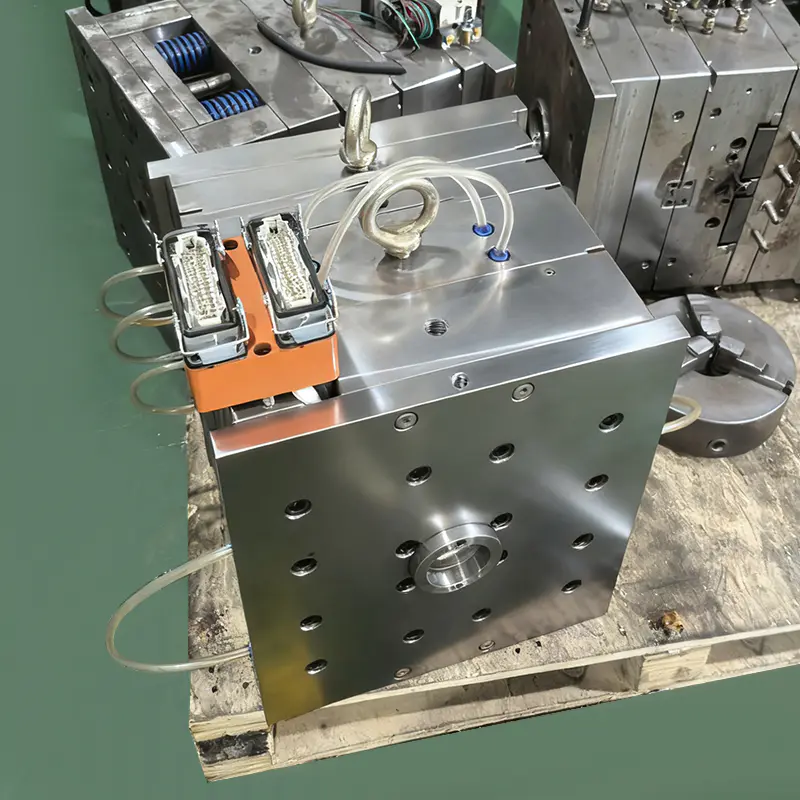
Why Surface Finishing Matters in Medical Plastic Manufacturing
Mold surface finishing refers to the texture and roughness of the cavity and core surfaces that contact molten plastic. Depending on the application, a mold might need a highly polished surface, a controlled matte texture, or a specific functional finish.
The selected finish affects several aspects of component quality:
- Surface appearance: Polishing and texturing influence gloss, transparency, visible surface defects.
- Dimensional consistency: Surface condition can affect friction, material flow, part release.
- Cleanability: Certain textures may be easier to clean and inspect, depending on geometry and cleaning procedures.
- Functional performance: Surface characteristics can influence sealing interfaces, sliding contact, component assembly.
- Production stability: An appropriate finish helps reduce sticking, scratching, inconsistent ejection.
For medical applications, these factors should be evaluated against the component's intended use and documented product specifications. A visually smooth surface doesn't automatically guarantee that a component meets cleanliness, biocompatibility, or sterility requirements.
Common Surface Finishing Options for Medical Molds
Different components need different surface characteristics. The right finish depends on resin selection, component geometry, functional requirements, manufacturing conditions.
High-Polish Finishing
High-polish finishes are common for transparent components, optical features, and parts requiring a smooth visible surface. Polishing reduces visible tool marks and improves replication of fine details.
For transparent medical components, mold surface quality influences optical clarity. But clarity also depends on resin properties, moisture control, processing temperatures, internal stress or flow-related defects. The mold can only do so much.
Matte and Textured Finishing
Matte finishes reduce surface gloss and help create a consistent appearance across molded parts. Controlled textures may also improve grip on handles, adjustment components, device housings.
Texture depth and pattern must be carefully specified. Overly deep or unsuitable textures complicate cleaning, affect dimensional features, create difficulties during demolding. That one's surprisingly easy to overlook.
Precision Ground and Machined Finishes
Some mold surfaces require controlled machining or grinding to maintain dimensional accuracy and functional contact. These finishes matter for shut-off areas, parting surfaces, precision inserts, sealing-related mold features.
Define the required surface condition according to the function of each mold area. A uniform finish across the entire cavity is not always necessary.
How Mold Surface Quality Influences Finished Component Performance
The relationship between mold finish and component quality goes beyond appearance. Surface condition influences several stages of the injection molding process.
Plastic Flow and Surface Replication
Molten plastic flows through the runner system into the cavity. The cavity surface affects how accurately the material reproduces fine details and textures.
Poorly controlled machining marks or inconsistent polishing become visible on the finished component. In certain geometries, surface irregularities can contribute to local flow inconsistencies or visible defects.
Mold finish is only one factor in material flow, though. Gate location, wall thickness, injection speed, melt temperature, venting design all play important roles.
Demolding and Surface Damage
After cooling, the molded component must release from the cavity. Surface roughness, draft angle, resin shrinkage, part geometry all influence demolding performance.
An unsuitable surface finish increases friction and contributes to sticking, scratches, stress marks, deformation during ejection. These issues matter particularly for thin-walled components and parts with deep ribs or complex internal features. Appropriate polishing, draft design, ejection-system engineering should be considered together—one doesn't fix the others.
Functional Interfaces and Assembly Accuracy
Medical plastic components often connect with other parts through threads, snap-fits, sealing surfaces, precision locating features.
A controlled mold finish helps reproduce these areas consistently. Excessive polishing or uncontrolled texturing may affect critical dimensions or surface characteristics, so functional regions should have clearly defined finishing requirements.
Selecting the Right Medical Mold Surface Finish
The best finish depends on the material and the component's function. Mold engineers should establish surface specifications during design reviews and confirm them through molding trials.
| Component application | Typical surface requirement | Main consideration |
|---|---|---|
| Transparent diagnostic housing | High polish | Optical appearance and surface defects |
| Medical device handle | Matte or controlled texture | Grip and consistent appearance |
| Fluid connector | Controlled precision finish | Fit, sealing, and dimensional accuracy |
| Syringe components | Smooth, controlled finish | Sliding performance and dimensional consistency |
| Precision mold inserts | Specified machined or ground finish | Repeatability and mold alignment |
These are general guidelines, not universal specs. The final finish should be defined using measurable surface parameters—Ra where appropriate—alongside visual standards and functional acceptance criteria.
Quality Inspection and Process Control for Medical Molds
Surface finishing quality should be verified through documented inspection. Visual examination under controlled lighting identifies scratches, polishing marks, pits, uneven textures. Surface roughness instruments provide quantitative measurements when geometry and measurement method allow reliable results.
Mold inspection should also consider cavity-to-cavity consistency in multi-cavity tools. Differences in polishing, machining, or repair work may cause variations between molded components.
A robust quality process typically includes:
- Reviewing mold drawings and surface finish specifications before manufacturing.
- Inspecting critical cavity areas after machining and polishing.
- Recording roughness measurements at defined locations where applicable.
- Checking molded samples for surface defects and dimensional accuracy.
- Evaluating ejection performance during production trials.
- Reinspecting repaired or modified mold surfaces before release.
For regulated medical manufacturing, inspection records and process validation should align with the manufacturer's quality management system and applicable regulatory requirements. Surface finish alone can't establish product cleanliness or biological safety—those need separate, application-specific evaluations.
Improving Medical Plastic Component Quality Through Better Mold Engineering
Medical Mold surface finishing is an important part of achieving reliable medical plastic components. The right combination of polishing, texturing, machining, inspection helps manufacturers control appearance, demolding behavior, dimensional consistency, functional performance.
For OEM projects, mold suppliers and medical device manufacturers should define surface requirements early, identify critical functional areas, verify results through representative molding trials. This approach reduces uncertainty during production and helps maintain consistent component quality across manufacturing batches.