
 English
 русский
 Español



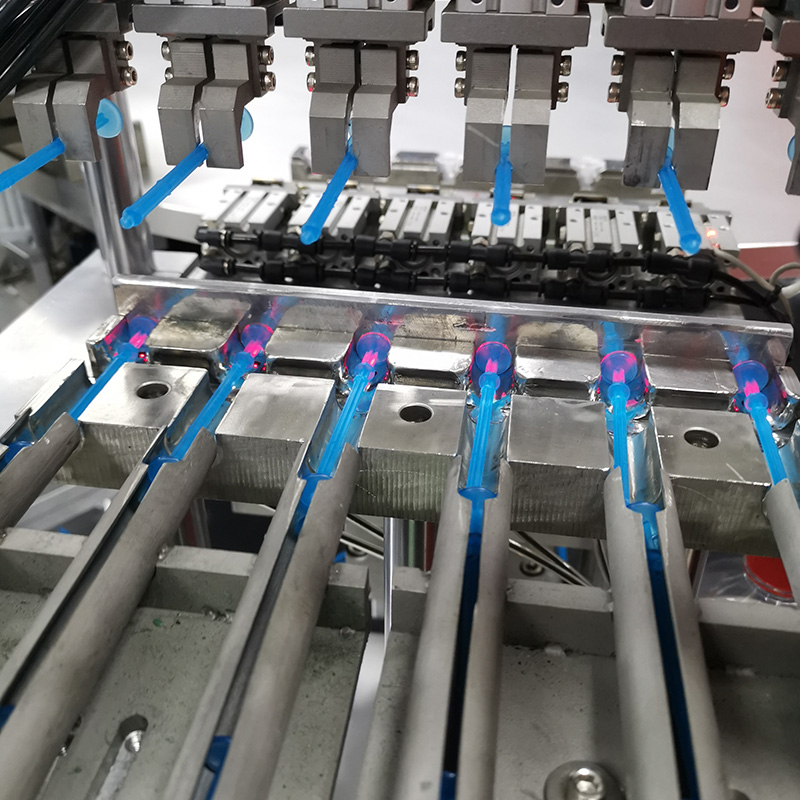
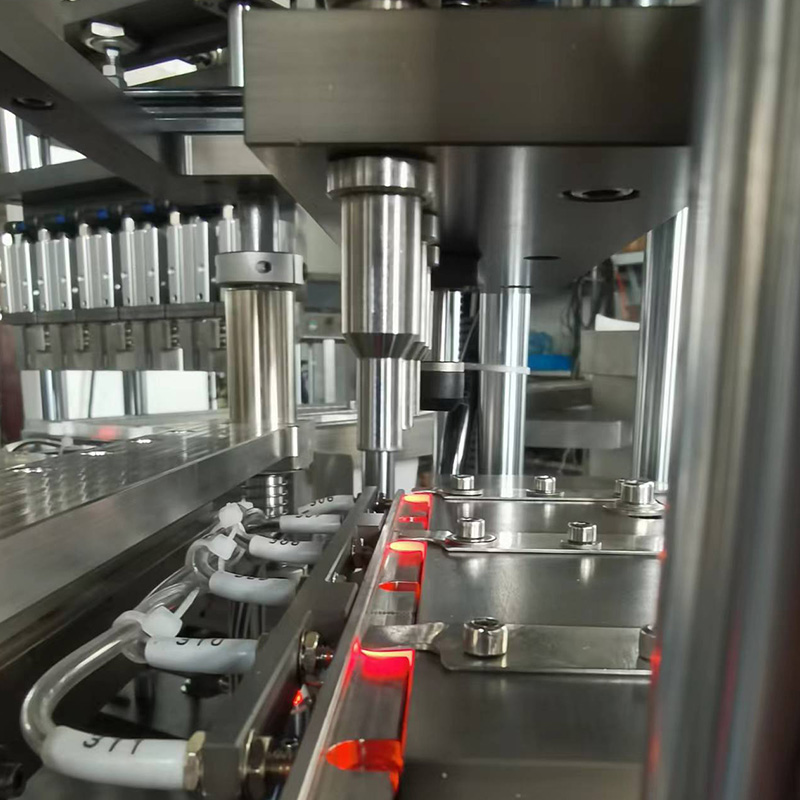
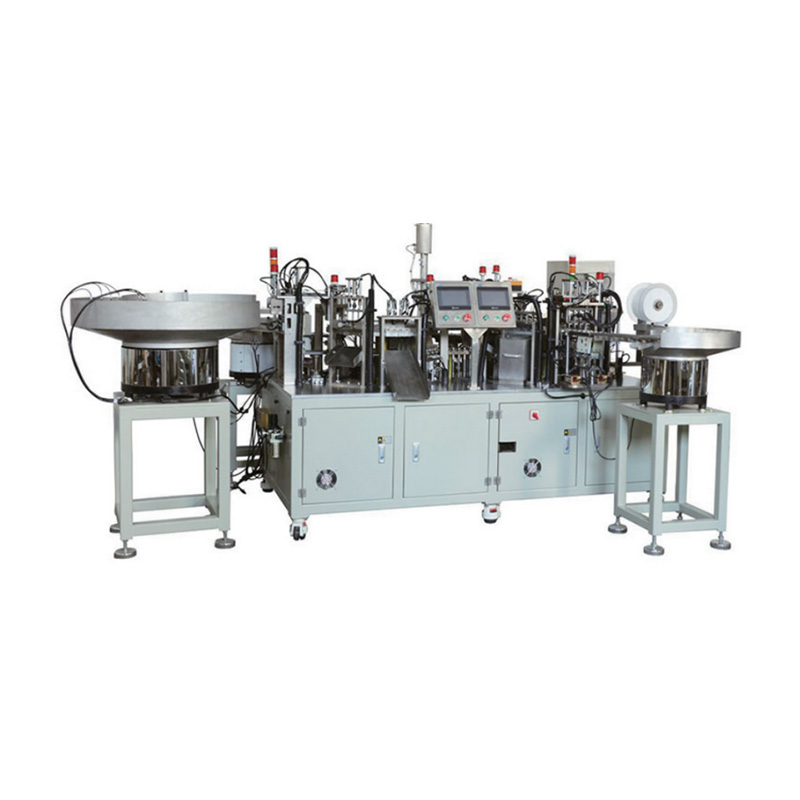
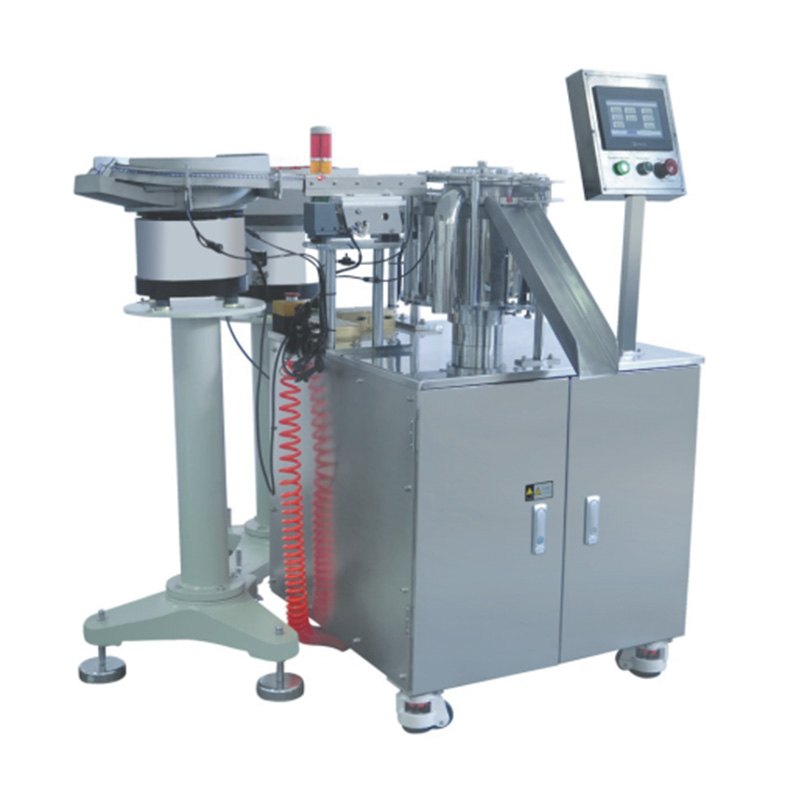
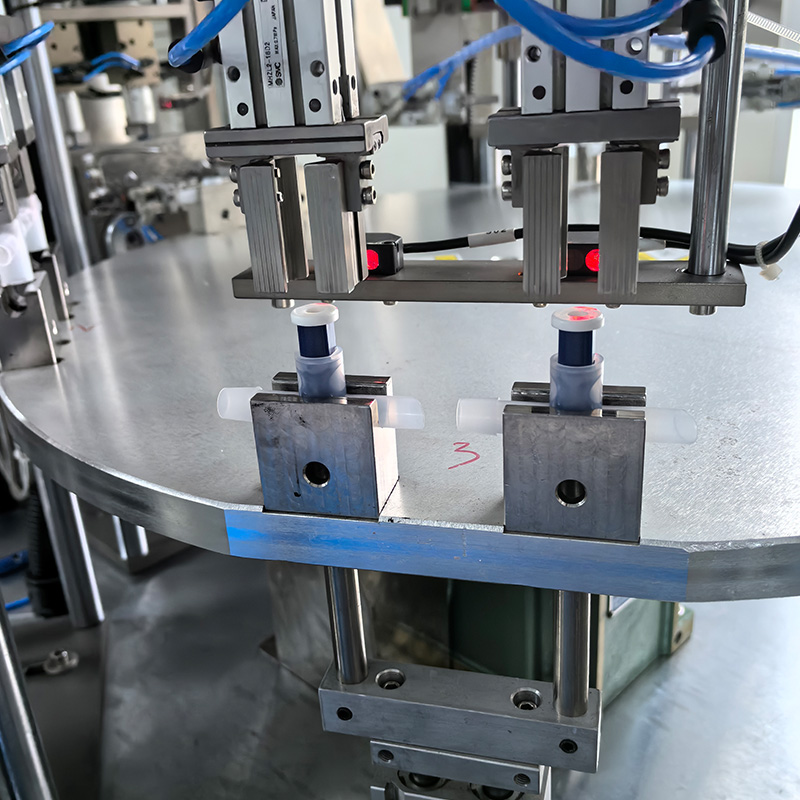
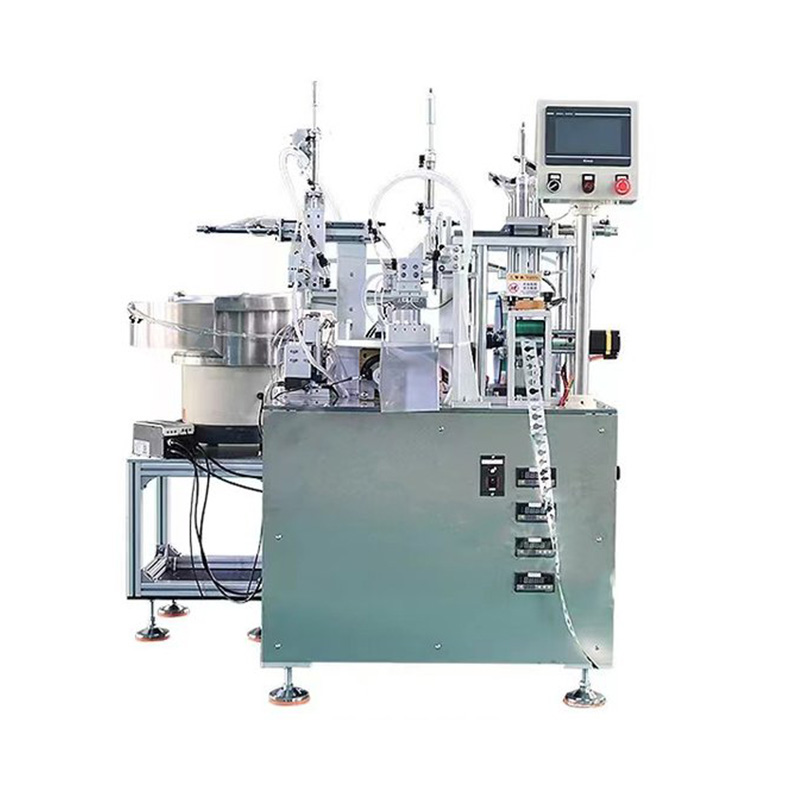
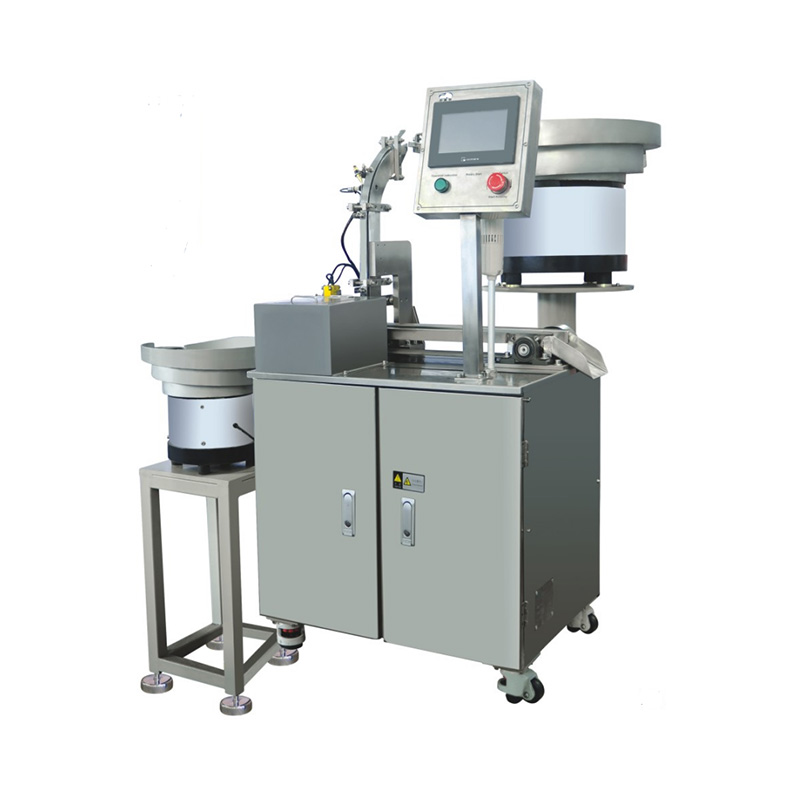
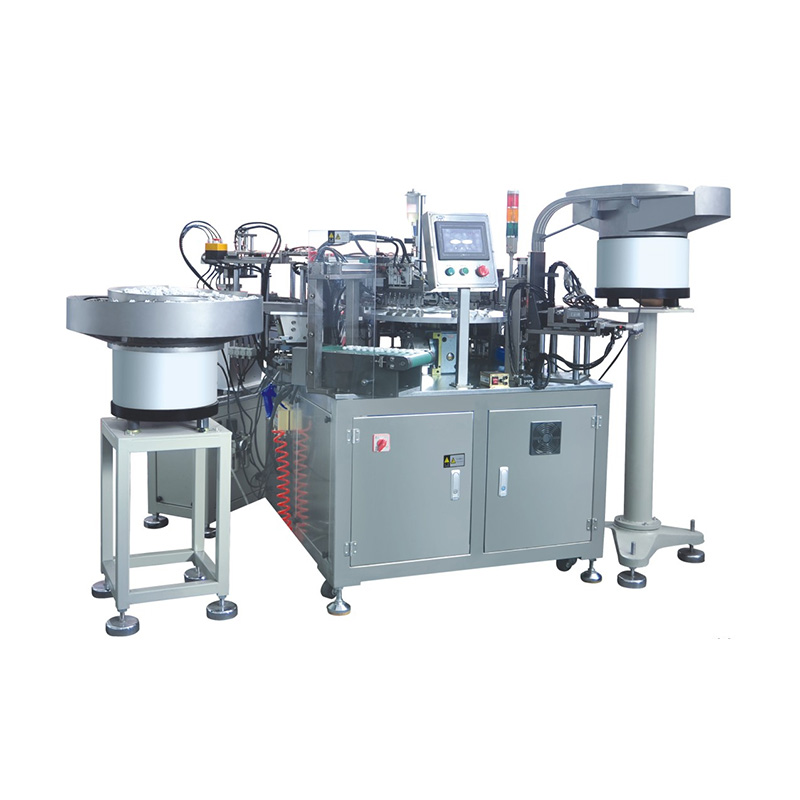
China Zhejiang Taizhou Ambe Trading Co., Ltd. is a manufacturer specializing in the production of medical equipment automation equipment.
Medical device manufacturers need equipment that keeps running. Product quality, production schedules, operating costs—all of it depends on the machine staying up. When it goes down unexpectedly, assembly stops, scrap rates climb, extra inspections pile up before you can restart. So when you're buying a Medical Assembly Machine, maintenance capability isn't some afterthought. It should be near the top of your list.
A well-designed machine gives you easy access to serviceable parts, clear fault diagnostics, sensible cleaning procedures, real technical support. Those things help maintenance teams catch problems early, cut downtime, keep quality consistent over the machine's life.
Choose a Machine with Accessible Components and Modular Design
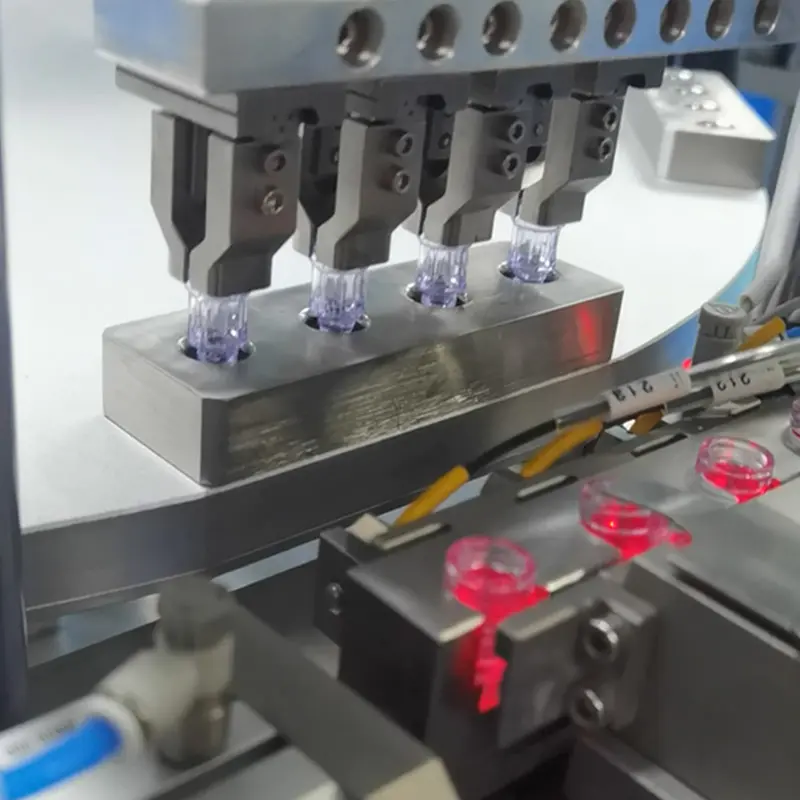
Routine maintenance gets ugly when critical parts hide behind complicated enclosures or need half the machine torn apart. Look at how easily technicians can reach motors, sensors, actuators, fixtures, pneumatic components—anything serviced often. Modular design lets you inspect or replace individual assemblies without dismantling everything. Replaceable tooling modules and standardized connections make repairs and product changeovers simpler.
During supplier evaluations, check whether the manufacturer gives you access to wear components and clear instructions for routine servicing. Does replacing a part require realignment, software adjustments, extra process verification? Accessibility also has to work with machine guarding, operator safety, contamination control. Convenience can't come at the expense of protective interlocks or approved cleaning procedures.
Look for Diagnostic Alarms and Condition Monitoring
Good diagnostics help maintenance teams find faults fast and skip the unnecessary troubleshooting. Clear alarm messages, operating-status indicators, historical fault records—all valuable in automated assembly. Depending on the machine, monitoring systems may track motor current, operating temperature, pneumatic pressure, cycle counts, actuator performance. Shifts in those parameters hint at developing issues: excessive friction, pressure loss, component wear. Predictive maintenance helps planning when the system collects reliable data and spots meaningful trends. But monitoring doesn't guarantee every failure gets predicted. Thresholds, sensor accuracy, documented response procedures—still essential.
| Maintenance feature | What buyers should verify | Operational benefit |
|---|---|---|
| Diagnostic alarms | Clear fault descriptions and troubleshooting instructions | Speeds up fault identification |
| Cycle counters | Tracking for critical mechanical components | Supports usage-based maintenance |
| Condition monitoring | Relevant pressure, temperature, or motion data | Helps identify abnormal operating trends |
| Maintenance history | Time-stamped fault and service records | Supports root-cause investigations |
| Remote diagnostics | Secure and authorized access to machine status | Can reduce unnecessary service visits |
| Component-life tracking | Defined service intervals and replacement criteria | Improves maintenance planning |
Ask suppliers to demonstrate diagnostic features with representative fault scenarios. A practical demo tells you more than claims about "intelligent monitoring."
Evaluate Cleaning Access and Contamination Control
Medical manufacturing may need specific cleanliness and contamination-control procedures. Machine surfaces, fixtures, product-contact areas, surrounding structures have to be compatible with the production environment. Look for accessible surfaces, removable fixtures where appropriate, a layout that minimizes hard-to-clean gaps. Lubricated mechanisms, pneumatic lines, electrical enclosures should be arranged so contamination doesn't reach sensitive components or products. What design you need depends on the medical component and its manufacturing process. Not every machine needs a cleanroom-compatible setup—define your actual environmental requirements before buying. Ask for the manufacturer's recommended cleaning agents, methods, restrictions. Confirm routine cleaning won't damage seals, sensors, coatings, lubricated parts.
Check Lubrication Systems and Wear-Component Replacement
Moving parts—bearings, guide rails, ball screws, gears, actuators—may need lubrication or periodic inspection. The machine should have clear instructions identifying the right lubricant, application method, maintenance interval. Centralized lubrication systems simplify service where suitable. But automatic lubrication doesn't mean you can ignore lubricant levels, delivery performance, leakage, contamination. Buyers should also identify components that need regular replacement. Depending on the process: grippers, seals, belts, filters, dispensing nozzles, positioning fixtures. Before ordering, confirm spare-parts availability, delivery times, the supplier's procedure for approving replacement components. Critical parts should be flagged in advance so a minor failure doesn't turn into a long production stoppage.
Verify Calibration and Maintenance Documentation
A Medical Assembly Machine may rely on sensors and control systems for precise insertion depths, assembly forces, dispensing volumes, positioning accuracy. If a measuring device drifts outside tolerance, the machine may produce assemblies that fail quality requirements. Ask the supplier to identify which instruments and control devices need calibration or verification. Documentation should explain acceptance limits, testing procedures, actions required when something fails inspection. Maintenance records should capture equipment ID, service dates, replaced components, calibration results, identified faults, corrective actions. Those records help investigate recurring problems and assess whether maintenance could affect product quality. Changes to tooling, control software, critical components, operating parameters may need an impact assessment and extra verification. The response depends on process risks and the manufacturer's quality procedures.
Assess Technical Support, Training, and Software Updates
Maintainability also depends on supplier support. Even a well-designed system can sit idle if technicians can't get troubleshooting guidance, replacement parts, software help. Before purchasing, request electrical and pneumatic diagrams, component lists, preventive maintenance schedules, alarm descriptions, servicing instructions. Confirm whether the supplier offers operator training, maintenance training, remote support, on-site service. For equipment with network connectivity or remote diagnostics, review access controls and software update procedures. Authorized access and controlled configuration changes matter when machine records form part of a regulated process. Ask about service response times, regional support coverage, spare-parts availability, the procedure for escalating complex failures. These factors affect total ownership costs more than people expect.
How to Compare Medical Assembly Machine Maintenance Requirements
Before approving a purchase, request a preventive maintenance schedule. Estimate labor, downtime, consumables, replacement parts over the machine's expected service life. Compare suppliers on component accessibility, diagnostic capabilities, calibration requirements, cleaning procedures, training, technical support. A demonstration of routine maintenance can reveal practical difficulties that specs won't describe. The right Medical Assembly Machine combines maintainable hardware, useful diagnostics, clear documentation, dependable supplier support. Evaluate these features before procurement—it helps you plan maintenance effectively, protect assembly consistency, improve long-term production reliability.