
 English
 русский
 Español



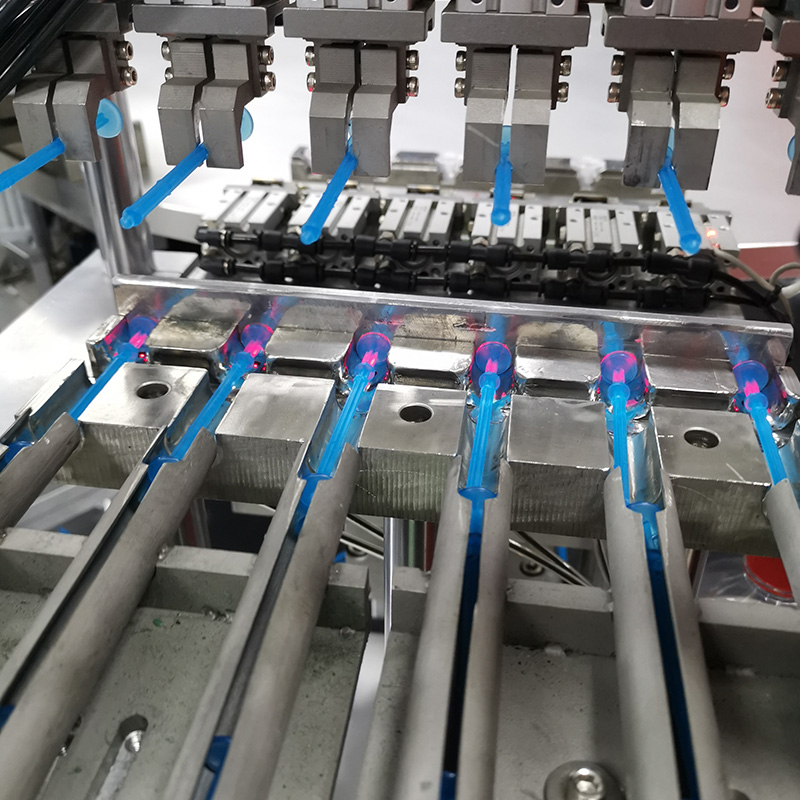
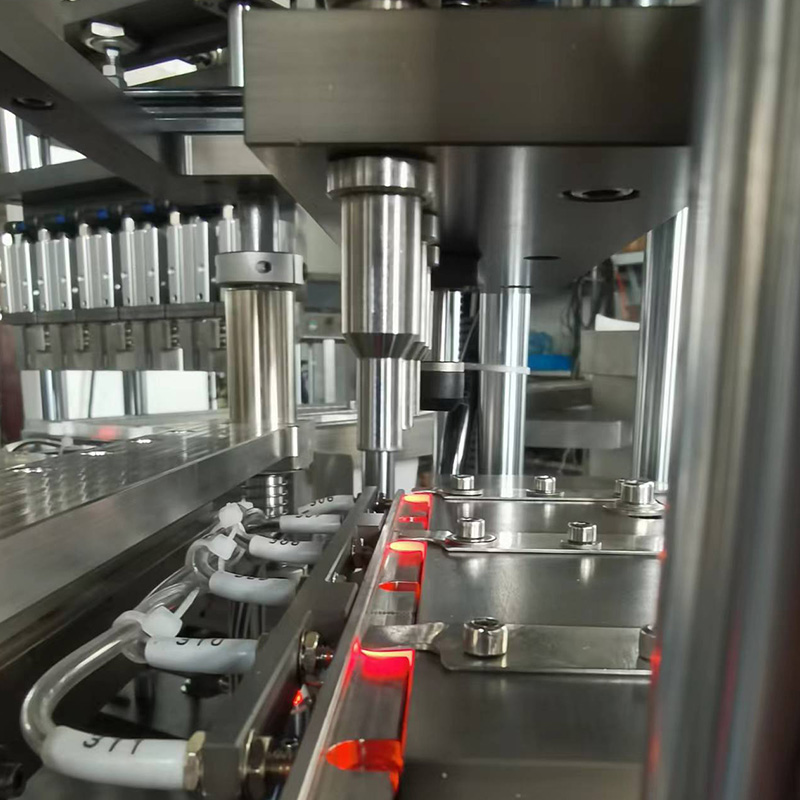
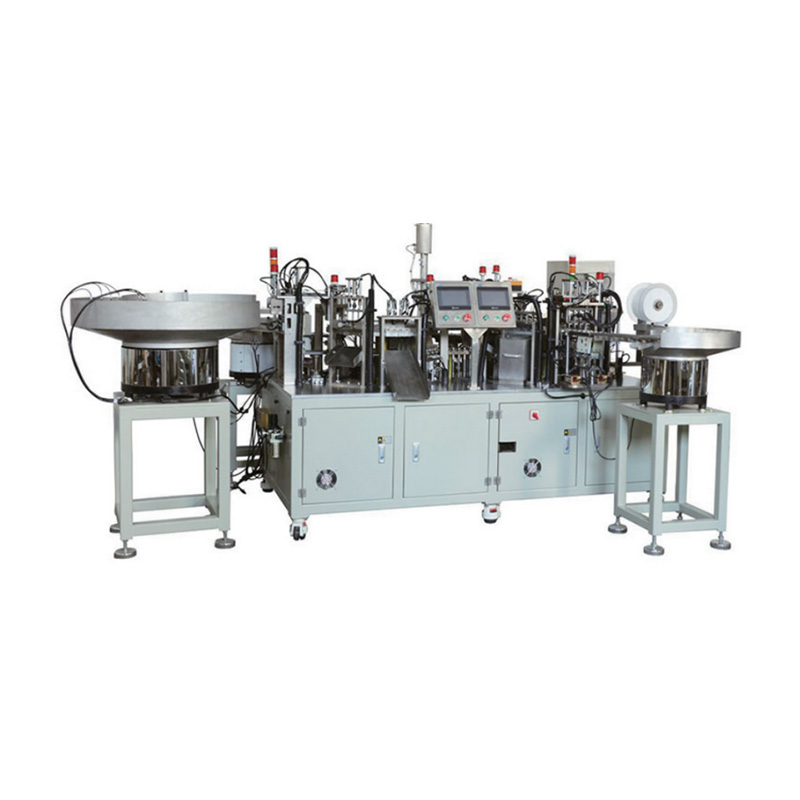
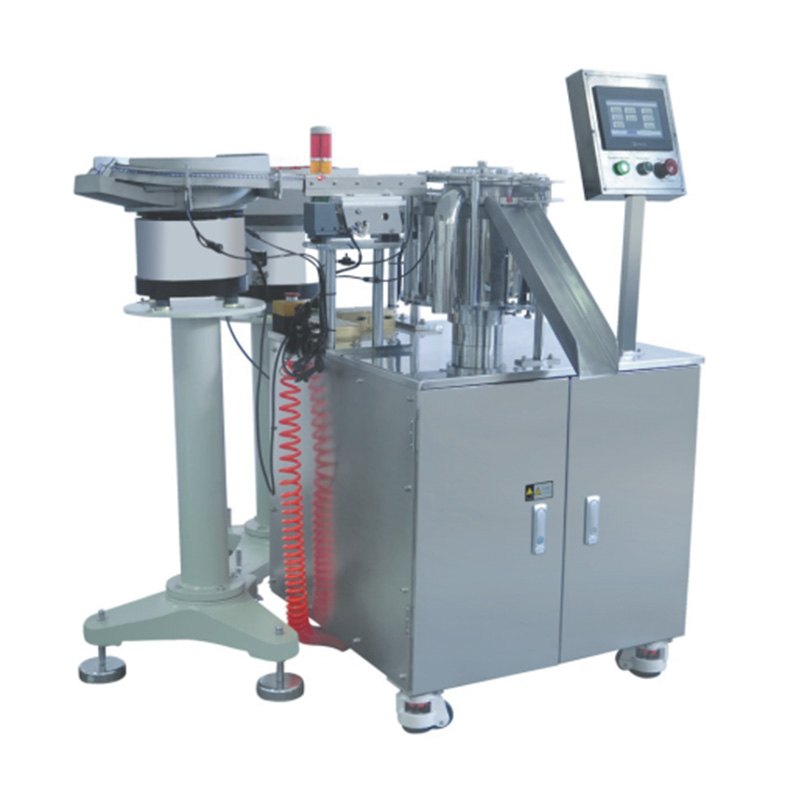
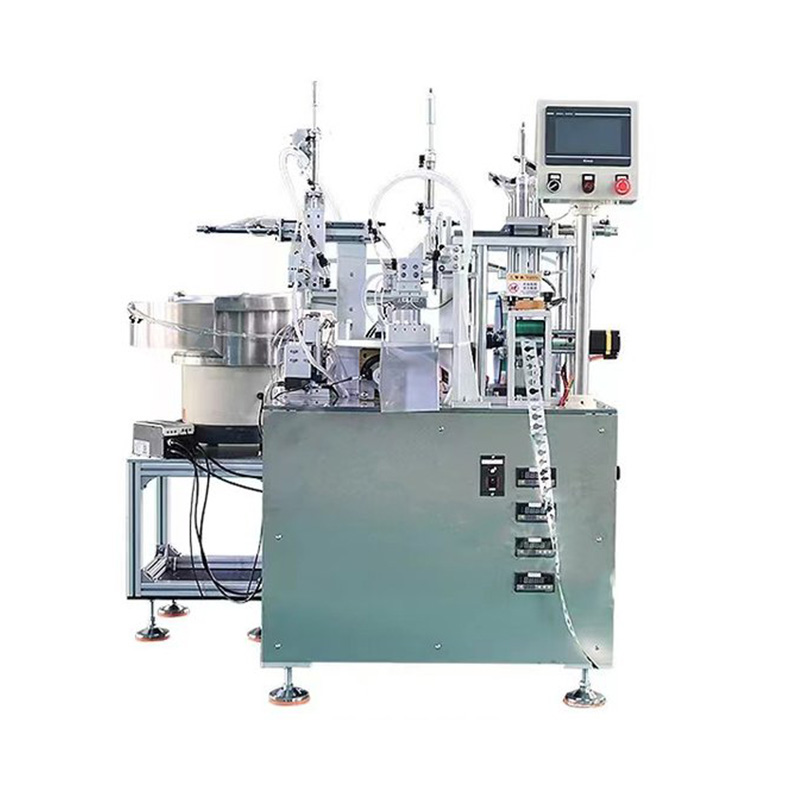
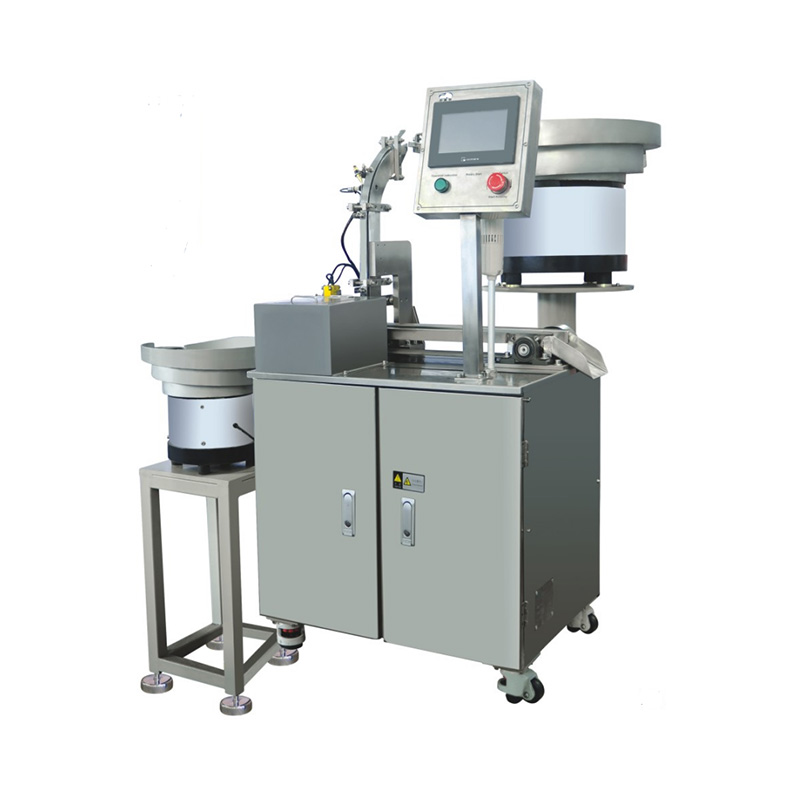
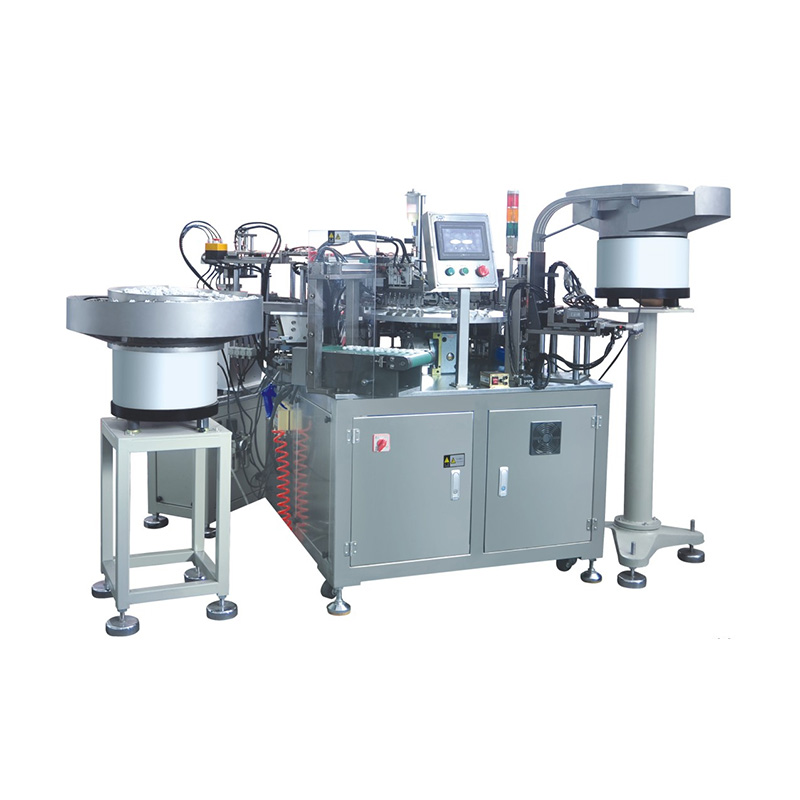
China Zhejiang Taizhou Ambe Trading Co., Ltd. is a manufacturer specializing in the production of medical equipment automation equipment.
Medical device manufacturing isn't exactly forgiving. Consistent assembly quality, accurate component placement, reliable process control—you need all of it. A tiny assembly error can mess with functionality, safety, usability. And as production volumes climb and component designs get more complex, manual assembly struggles to keep results consistent across every unit.
A Medical Component Assembly Machine helps manufacturers improve precision by automating repetitive operations, controlling assembly parameters, inspecting critical features. When properly designed and validated, these systems reduce process variation, improve production efficiency, support traceable quality management.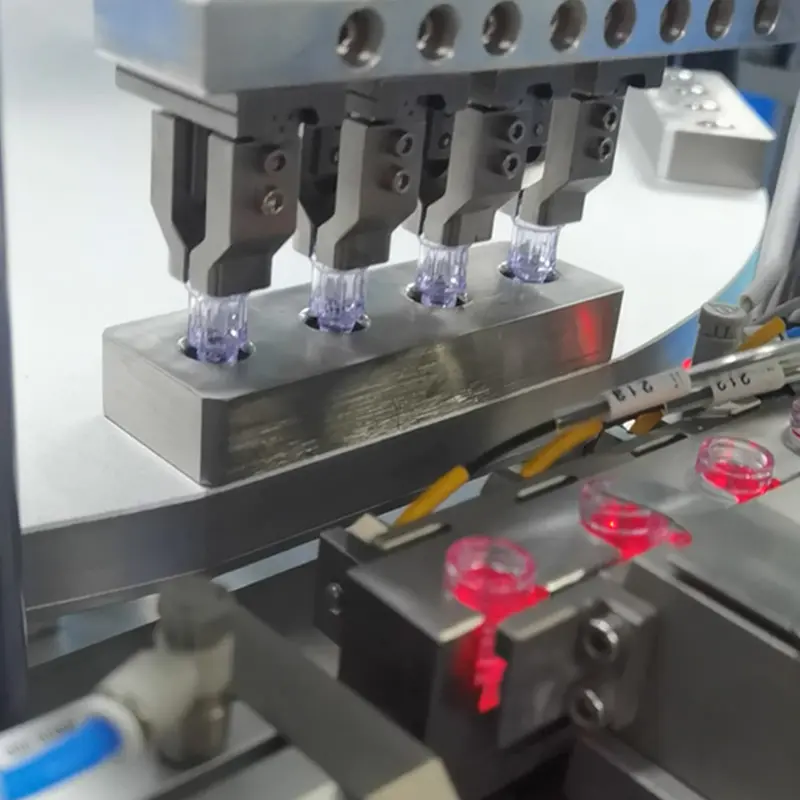
How Automation Improves Medical Component Assembly Precision
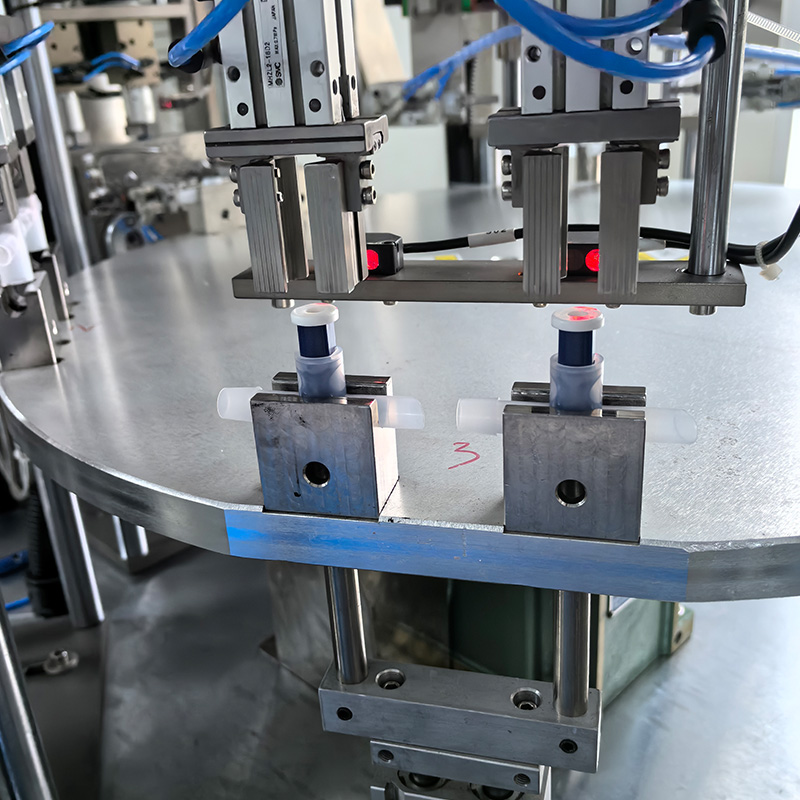
Manual assembly leans hard on operator skill, concentration, working conditions. Differences in handling, positioning, applied force introduce variation—especially when components are small or need precise alignment. A medical component assembly machine uses engineered fixtures, positioning mechanisms, sensors, programmable controls to perform repeatable tasks. Depending on the application, operations may include component feeding, orientation, insertion, fastening, bonding, final inspection.
Automated positioning systems align components within defined tolerances. Force or displacement monitoring detects abnormal resistance during insertion. Programmable motion controls maintain consistent assembly sequences. For example, assembling a small medical fluid connector—the machine positions components, controls insertion depth, monitors whether the connection reaches the expected condition. The specific control method depends on product design and the characteristics that define a successful assembly.
Automation doesn't wipe out every error source. Benefits depend on suitable machine design, accurate tooling, controlled incoming components, verified operating parameters.
Which Machine Features Help Reduce Assembly Defects?
Defect reduction starts with identifying common failure modes and selecting machine functions that prevent or detect them.
| Machine feature | Quality function | Potential benefit |
|---|---|---|
| Precision fixtures | Hold components in a defined position | Reduces misalignment |
| Automated feeding and orientation | Presents components in the correct direction | Prevents incorrect placement |
| Force and displacement monitoring | Tracks insertion or joining conditions | Helps identify incomplete or abnormal assembly |
| Vision inspection | Checks presence, orientation, and visible features | Detects missing or misplaced components |
| Programmable process control | Maintains specified operating sequences | Reduces variation between cycles |
| Automatic rejection mechanisms | Separates products that fail defined checks | Prevents detected defects from moving downstream |
| Data recording and traceability | Links process results to production records | Supports investigations and quality reviews |
The right combination depends on the product's risks and acceptance criteria. A simple assembly may need reliable positioning and presence detection. A complex medical device may need multiple inspection stages and recorded process parameters. Inspection systems should be challenged with representative defective samples during validation. That establishes whether they reliably detect the conditions they're meant to identify.
How Process Monitoring Improves Assembly Consistency
One key advantage of automated assembly: monitoring critical process variables during production. Depending on the operation, these may include insertion force, travel distance, rotational torque, temperature, pressure, dispensing volume, bonding time. Monitoring lets the machine compare actual results with predefined limits.
Take a press-fit connection. The machine can record the force-displacement profile during insertion. An unexpected profile may indicate a damaged component, incorrect orientation, dimensional variation, an obstruction. But a measurement outside a defined range doesn't always reveal the exact root cause. Manufacturers should establish procedures for investigating abnormal results, containing affected products, determining whether equipment or component conditions need correction. When process parameters link to product identifiers or production batches, engineers can investigate trends and identify recurring defect sources more efficiently.
Why Machine Validation and Calibration Matter
A highly automated machine can still produce defective assemblies if tooling, sensors, or process settings are off. Machine qualification, process validation, ongoing verification—essential.
Define acceptance criteria before production. Evaluate whether equipment can consistently meet them under expected operating conditions. Typical activities include:
- Installation qualification (IQ): Verifies equipment and supporting systems are installed according to approved requirements.
- Operational qualification (OQ): Evaluates machine operation across specified settings and operating limits.
- Performance qualification (PQ): Confirms the production process can repeatedly achieve required results under representative conditions.
- Calibration and maintenance: Keep measuring devices and critical mechanisms within required tolerances.
The right approach depends on product risk, process complexity, applicable quality-system requirements. Validation records should identify equipment, acceptance criteria, test conditions, results. Change to tooling, software, component materials, or critical process settings may require assessment to determine whether requalification or revalidation is necessary.
How Automation Supports Medical Manufacturing Quality Systems
Medical device manufacturers work in regulated quality environments. In the United States, applicable FDA requirements include the Quality Management System Regulation (QMSR), effective February 2, 2026. Other markets may impose additional or different requirements.
A medical component assembly machine can support quality management by recording process parameters, inspection outcomes, equipment status, product identifiers. These records help manufacturers investigate nonconformities, assess production trends, demonstrate that defined procedures were followed. That said, buying automated equipment doesn't automatically establish regulatory compliance. Manufacturers remain responsible for determining which requirements apply and ensuring the overall production process meets them.
Data integrity matters. Access controls, backup procedures, software change management, appropriate review of electronic records—consider these when production data forms part of the quality record.
How to Choose the Right Medical Component Assembly Machine
Machine selection should start with the product's critical quality characteristics and known assembly risks. Define component dimensions, assembly tolerances, required throughput, inspection needs, acceptable defect limits before requesting supplier proposals.
Consider:
- Product compatibility: Can the machine handle the complete range of component sizes, materials, configurations required for production?
- Process capability: Request evidence from representative trials showing the system repeatedly meets specified tolerances and quality requirements.
- Inspection coverage: Which defects can be detected automatically? Which still require separate testing or inspection?
- Changeover flexibility: How easily can the machine accommodate product variants, tooling changes, approved process updates?
- Maintenance and support: Review spare-part availability, service response, operator training, preventive maintenance requirements.
- Data and traceability: Establish which process values, inspection results, production identifiers need to be recorded and retained.
Before final acceptance, run representative components through a documented production trial. Cover expected operating conditions, include defined defect challenges where appropriate, verify both product quality and cycle-time performance.
Building a More Reliable Medical Component Assembly Process
A well-designed Medical Component Assembly Machine can improve positioning accuracy, standardize repetitive operations, monitor critical process variables, identify defects before products advance to later manufacturing stages. The biggest benefits come from matching automation to specific quality risks and combining it with validated processes, reliable components, effective maintenance, clear inspection criteria. For medical device manufacturers, this integrated approach supports repeatable assembly, more efficient defect investigations, stronger production control.