
 English
 русский
 Español


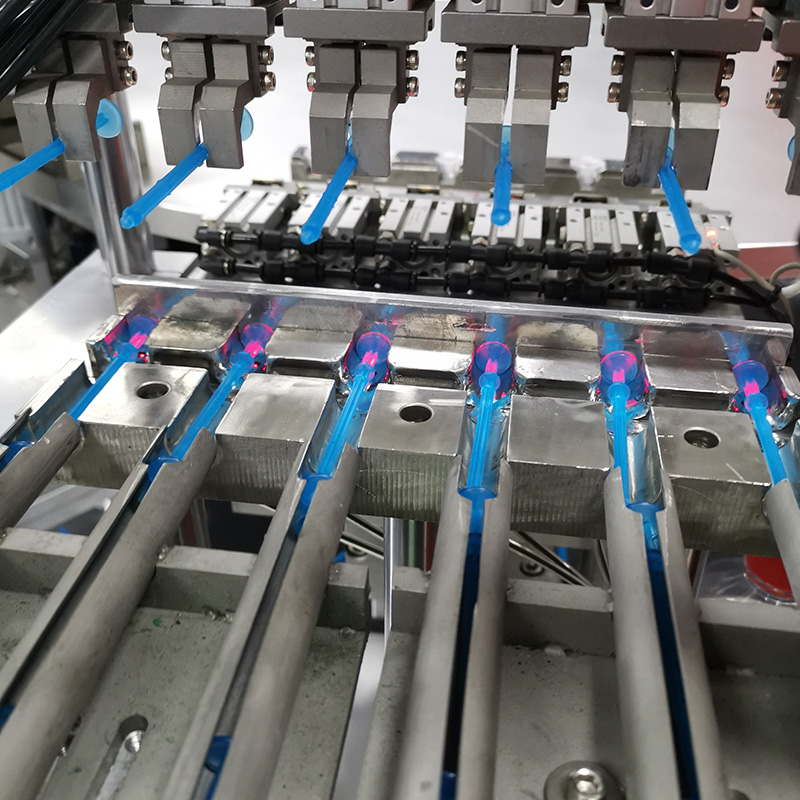
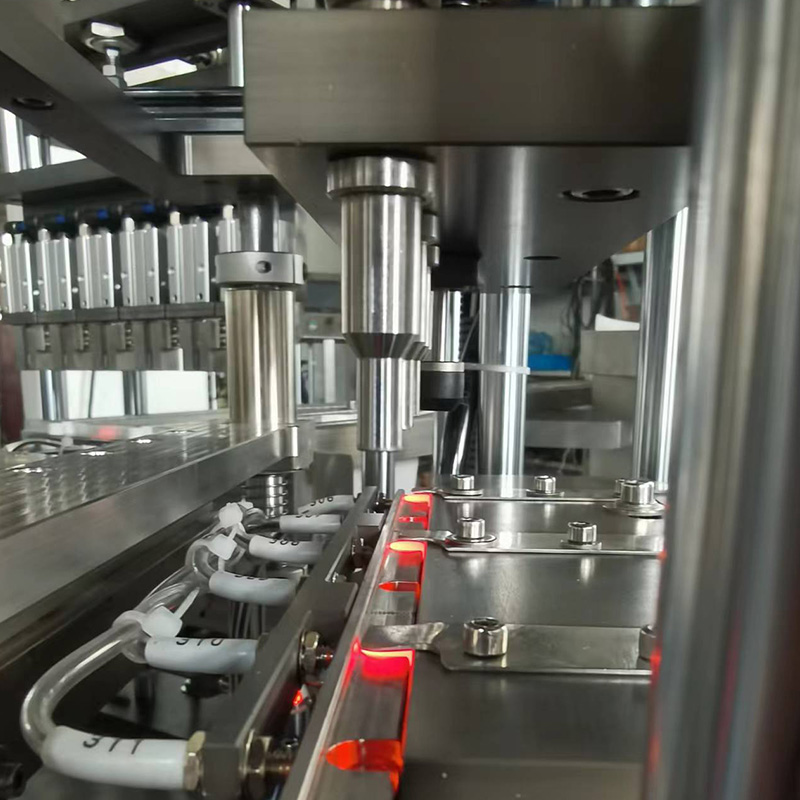
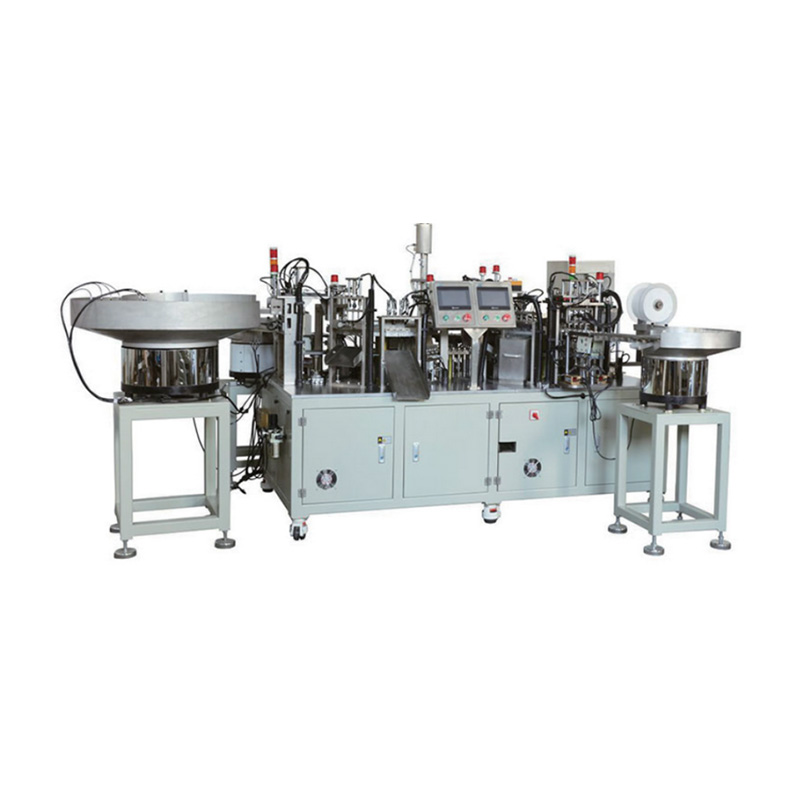
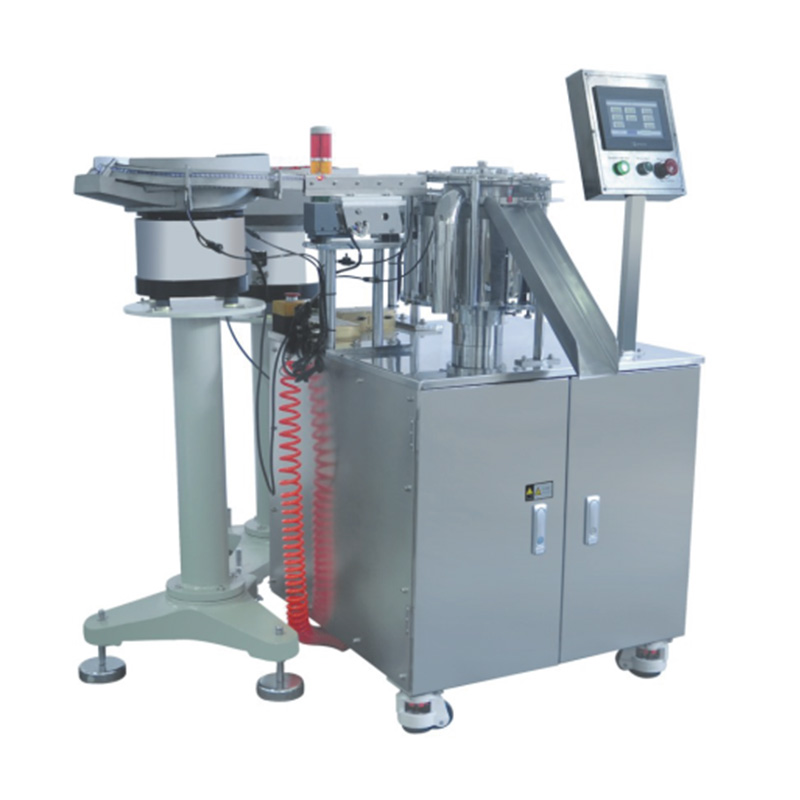
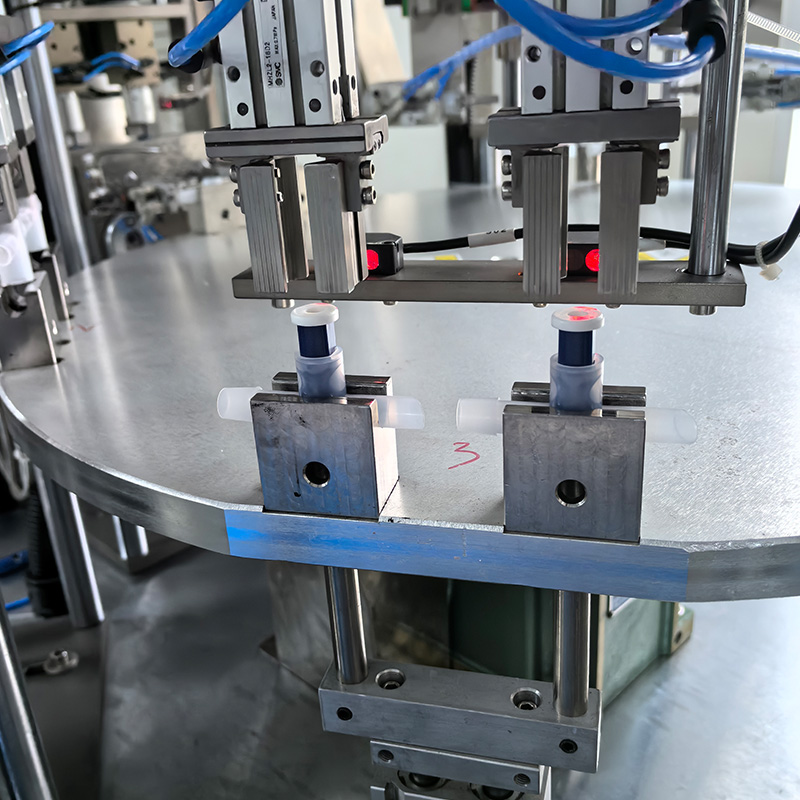
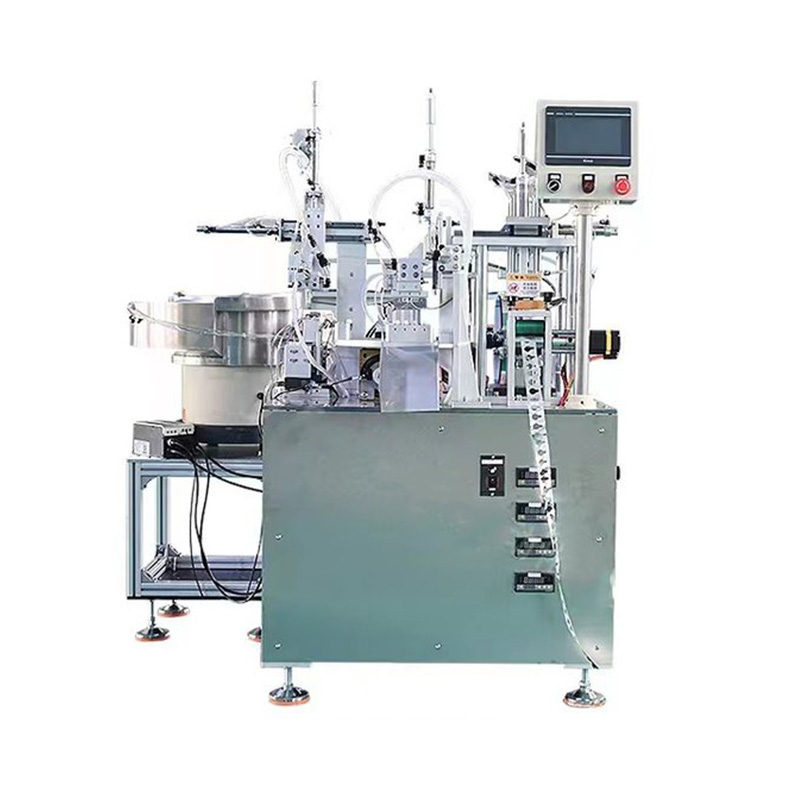
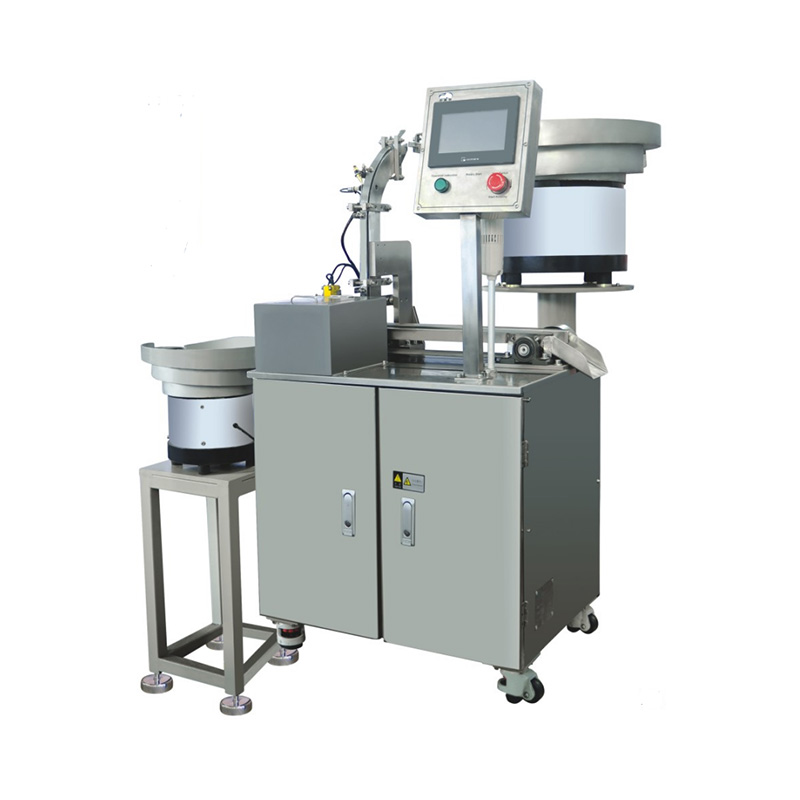
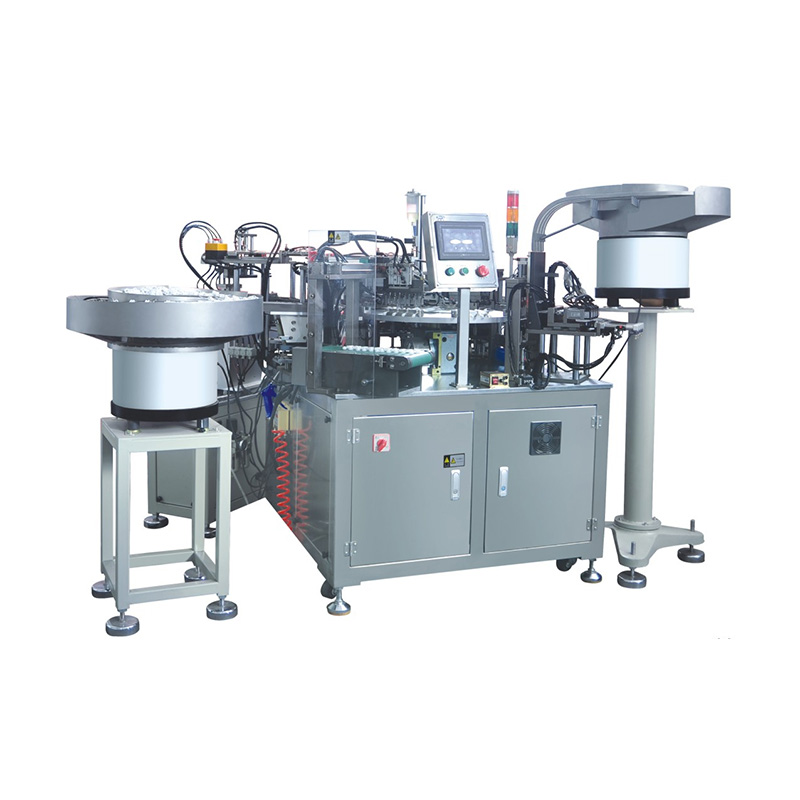
China Zhejiang Taizhou Ambe Trading Co., Ltd. is a manufacturer specializing in the production of medical equipment automation equipment.
Fully Automated Production Line for Syringes have changed how medical consumables are manufactured. The system brings multiple processes into one continuous flow, reducing manual handling and improving production rhythm. Yet, behind this structured setup, there are several challenges that manufacturers need to manage carefully.
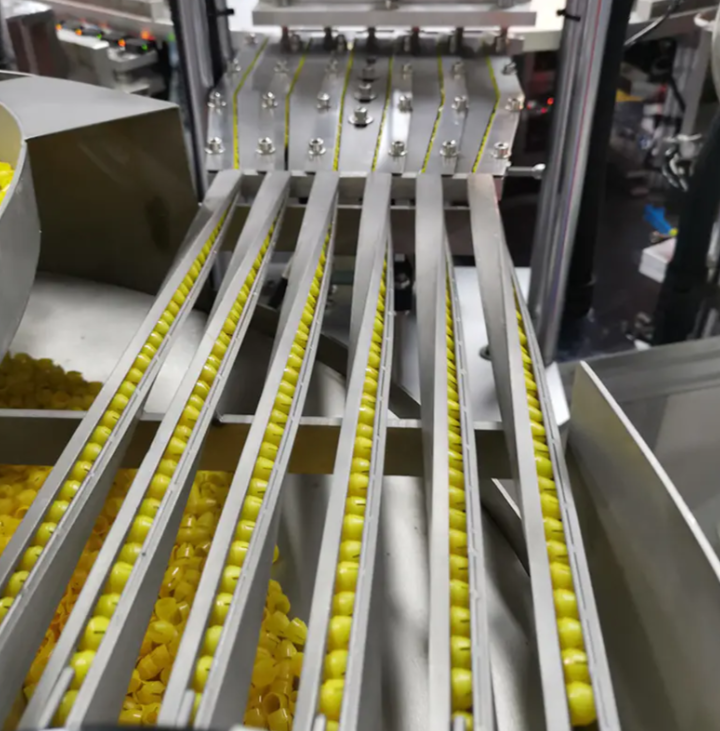
Automation does not remove complexity. It shifts it. Tasks that were once handled by people are now controlled by machines, sensors, and coordinated systems. This creates a different set of responsibilities, especially when stability, consistency, and operational balance are required at the same time.
Why is system coordination a major challenge?
A fully automated syringe production line is made up of connected stages. Each stage depends on the one before and affects the one after. When everything runs smoothly, the flow feels seamless. When one part slows down, the entire system can be affected.
Coordination becomes more difficult when different modules operate at different speeds or conditions. Even small timing differences can create interruptions in movement or processing.
Another challenge comes from synchronization. Machines must not only perform tasks but also align with each other in real time. If one section produces faster than another can handle, accumulation or delay may occur.
The system must constantly balance input and output. This balance is not fixed. It changes based on workload, product type, and operating conditions.
How does equipment maintenance affect production stability?
Automated systems rely heavily on continuous operation. Any interruption can influence the entire line. Maintenance therefore becomes a key concern rather than a background task.
Machines require regular checks to ensure stable movement. Small parts experience wear over time. Sensors may need adjustment. Even minor changes in alignment can affect output consistency.
Unexpected stoppages can be particularly challenging. When production pauses, restarting the system often requires recalibration. This takes time and careful handling.
Maintenance planning is not only about fixing issues. It also involves predicting potential disruptions and reducing their impact before they happen.
Why is product consistency difficult to maintain?
One of the main goals of automation is consistent output. However, maintaining this consistency across long production cycles is not always simple.
Variations can come from multiple sources. Material differences, environmental changes, or slight mechanical shifts may influence the final result.
Even though machines perform repetitive tasks, real-world conditions are never completely identical. This creates subtle variations that need to be monitored.
Quality control systems help detect these differences. Still, adjusting the system in real time without interrupting production can be challenging.
Consistency is not only about the final product. It also depends on every stage working in alignment.
What role does environmental control play?
Syringe production often requires a controlled environment. This is not only about cleanliness but also about stability in air movement, temperature conditions, and particle control.
Maintaining such an environment across a fully automated system adds complexity. Machines generate heat and movement. Airflow systems must balance these changes without affecting production flow.
Human access is limited, but still necessary for supervision and maintenance. Each entry into the environment must follow structured procedures.
Even small changes in the environment can influence sensitive production steps. This requires continuous monitoring and adjustment.
How does system complexity affect troubleshooting?
As automation increases, systems become more integrated. While this improves efficiency, it also makes troubleshooting more complex.
When an issue appears, it may not come from a single point. Instead, it could result from interactions between multiple stages.
Identifying the root cause requires detailed observation of system behavior. Data must be reviewed across different sections of the line.
Some problems appear intermittently. They do not follow a predictable pattern, which makes them harder to diagnose.
Operators and technicians must understand both individual machines and the overall system structure. This combination of knowledge is essential for effective resolution.
What challenges exist in adapting to different product requirements?
Manufacturing lines are often designed for specific product types. However, market demand may require flexibility.
Adjusting an automated syringe production line to different product designs is not always simple. Even small changes in shape or assembly sequence can require system adjustments.
Reconfiguration may involve both mechanical and control system changes. This can take time and careful planning.
Frequent switching between product types can also affect efficiency. The system may need recalibration each time, which influences overall output rhythm.
Balancing flexibility and stability is a continuing challenge in automated environments.
Key Challenges in Fully Automated Syringe Production
| Challenge Area | Description | Impact on Production |
|---|---|---|
| System coordination | Multiple machines must work in synchronized timing | Small delays can affect overall flow |
| Equipment maintenance | Continuous operation increases wear and adjustment needs | Unexpected stops may interrupt production |
| Product consistency | Minor variations in material or process conditions | Can lead to differences in final output |
| Environmental control | Stable production environment must be maintained | Changes in airflow or conditions may influence quality |
| System troubleshooting | Issues may come from multiple connected stages | Root cause identification becomes more complex |
| Product flexibility | Switching between product types requires adjustments | May reduce production efficiency temporarily |
| Workforce transition | Shift from manual work to system supervision | Requires new technical skills and training |
How do control systems manage real-time adjustments?
Modern production lines rely on control systems to manage operations. These systems collect information, monitor performance, and adjust parameters when needed.
Real-time adjustments help maintain balance. If one section slows down, others may adapt to match the change.
However, automation does not eliminate uncertainty. Sudden variations in input or mechanical behavior still require intervention.
Control systems must respond quickly without creating new imbalances. This requires careful design and continuous refinement.
The challenge lies in achieving responsiveness without losing stability.
What challenges come from workforce transition?
Automation changes the role of human involvement in production. Instead of direct assembly, workers focus more on supervision, maintenance, and system management.
This shift requires new skill sets. Operators need to understand system logic, machine behavior, and digital monitoring tools.
Training becomes an important part of the process. Without proper understanding, managing complex systems can be difficult.
There is also a learning curve when adapting to automated environments. Experience builds over time, but early stages may involve adjustment periods.
Human expertise remains essential, even in highly automated systems.
How do these challenges shape future production design?
The challenges in automated syringe production influence how future systems are designed. Stability, flexibility, and coordination remain central concerns.
Designers focus on reducing system sensitivity to small variations. At the same time, they aim to improve adaptability without increasing complexity.
Integration between different system parts continues to grow. However, this integration must be balanced with clarity in operation and maintenance.
The direction of development is not only about increasing automation. It is also about making systems easier to understand, manage, and adjust in real time.