
 English
 русский
 Español


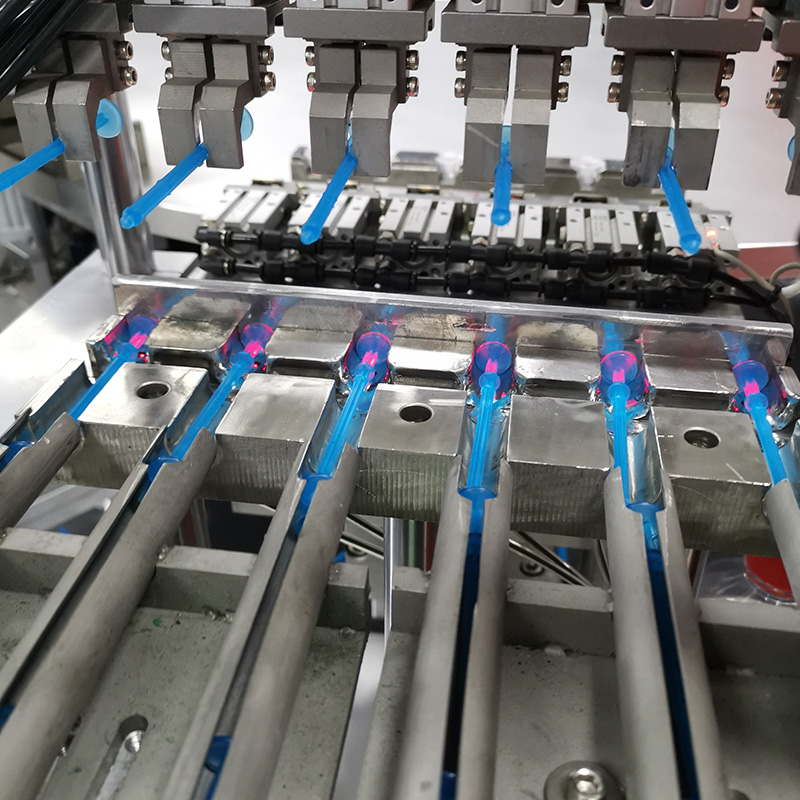
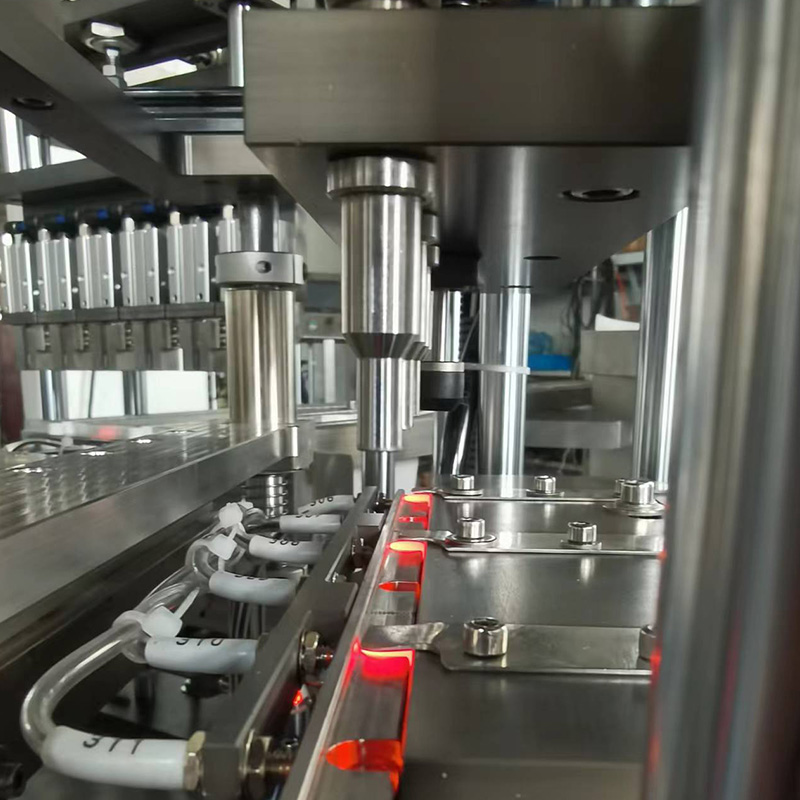
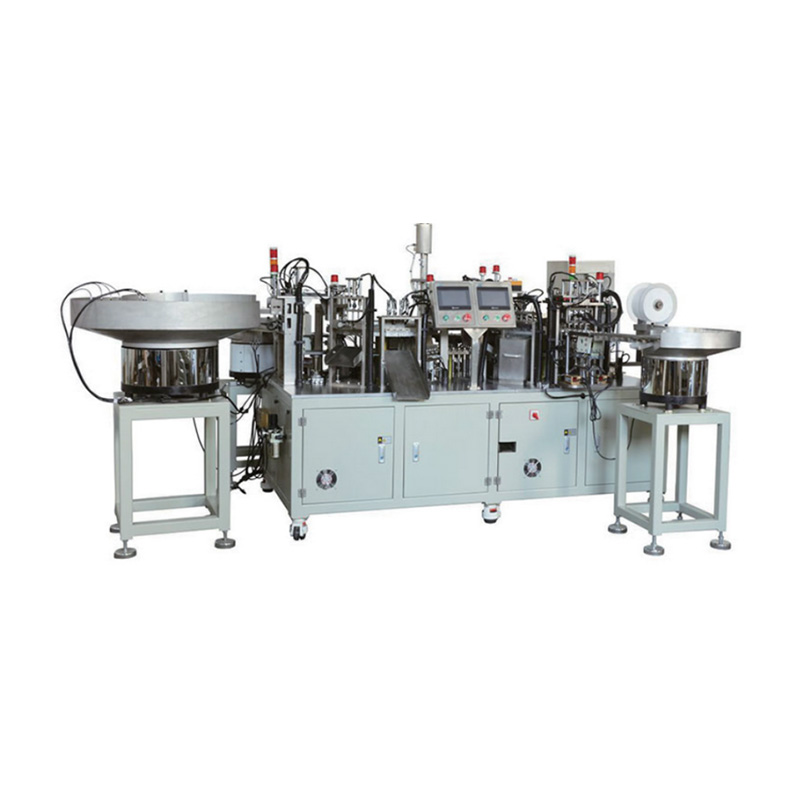
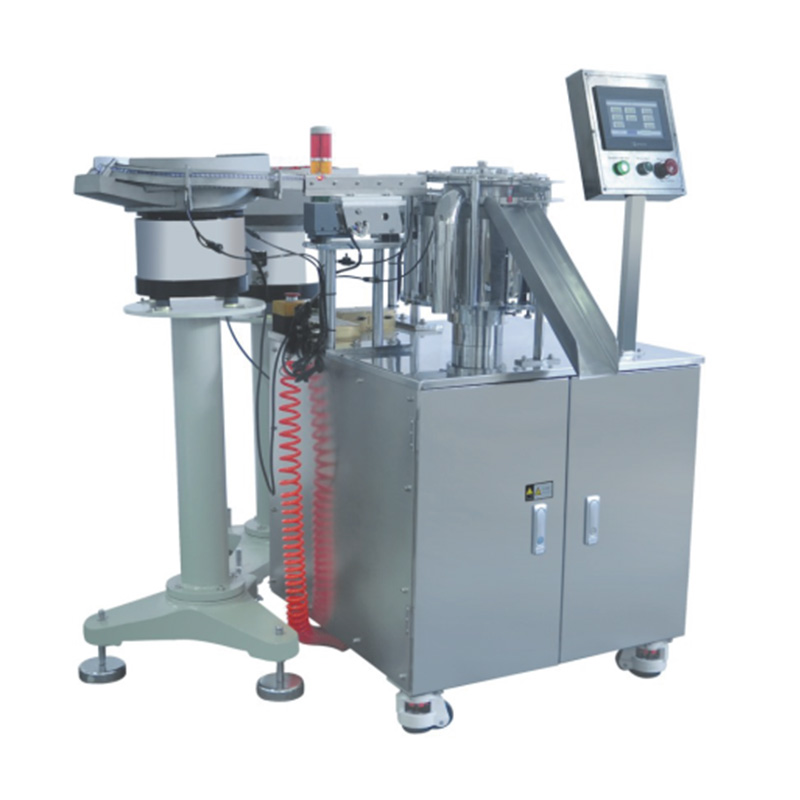
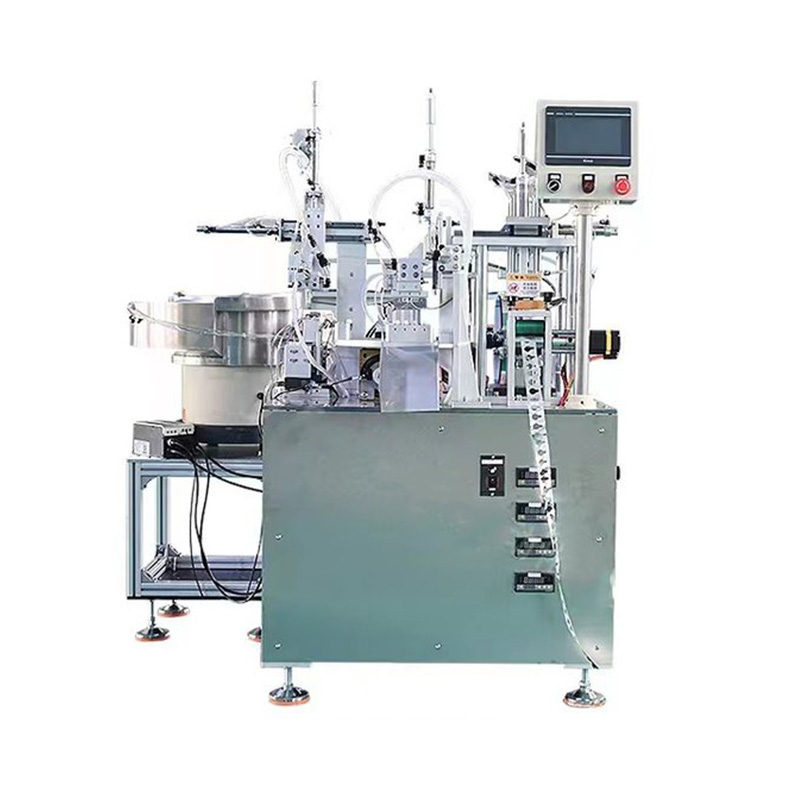
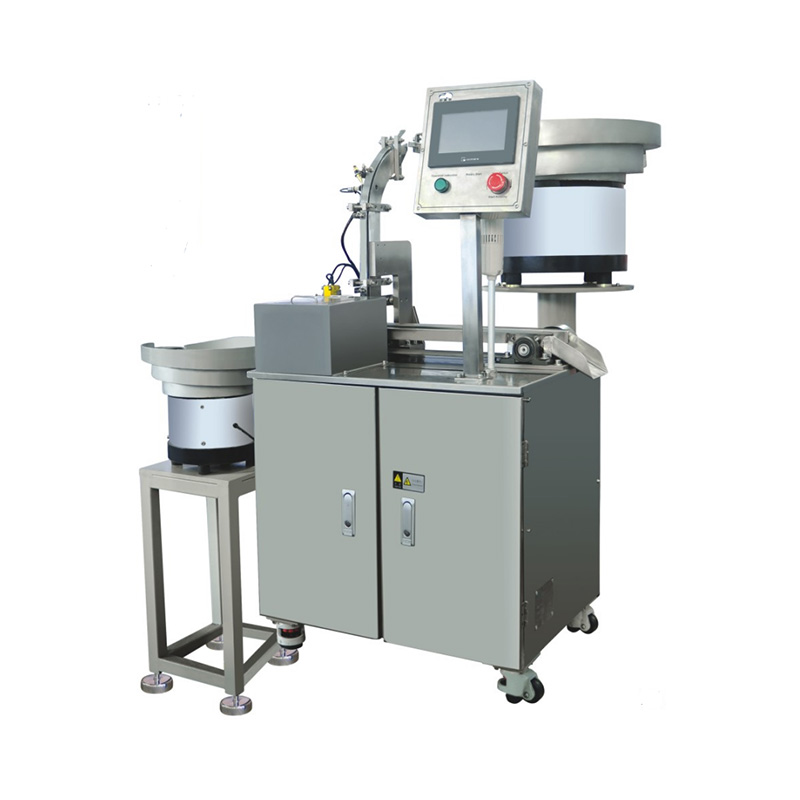
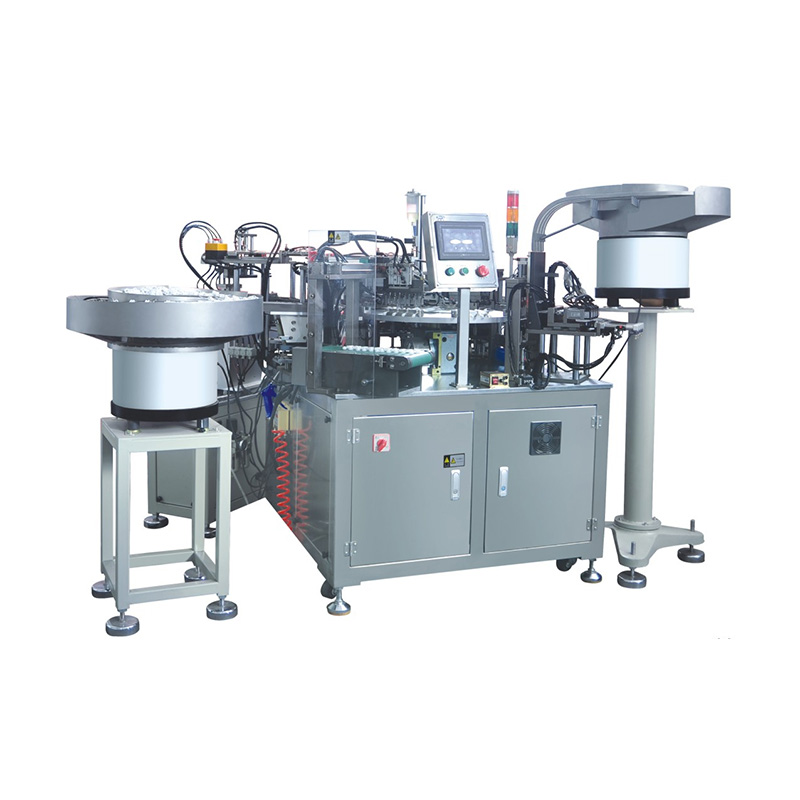
China Zhejiang Taizhou Ambe Trading Co., Ltd. is a manufacturer specializing in the production of medical equipment automation equipment.
A Fully Automated Production Line for Syringes represents a shift in medical device manufacturing, offering a solution that combines precision, efficiency, and reliability. Unlike traditional production setups, automation equipment reduces human intervention in repetitive tasks while maintaining consistent product quality. For syringe manufacturers, this means fewer errors, streamlined workflows, and more predictable output schedules.
Precision and Accuracy at Every Step
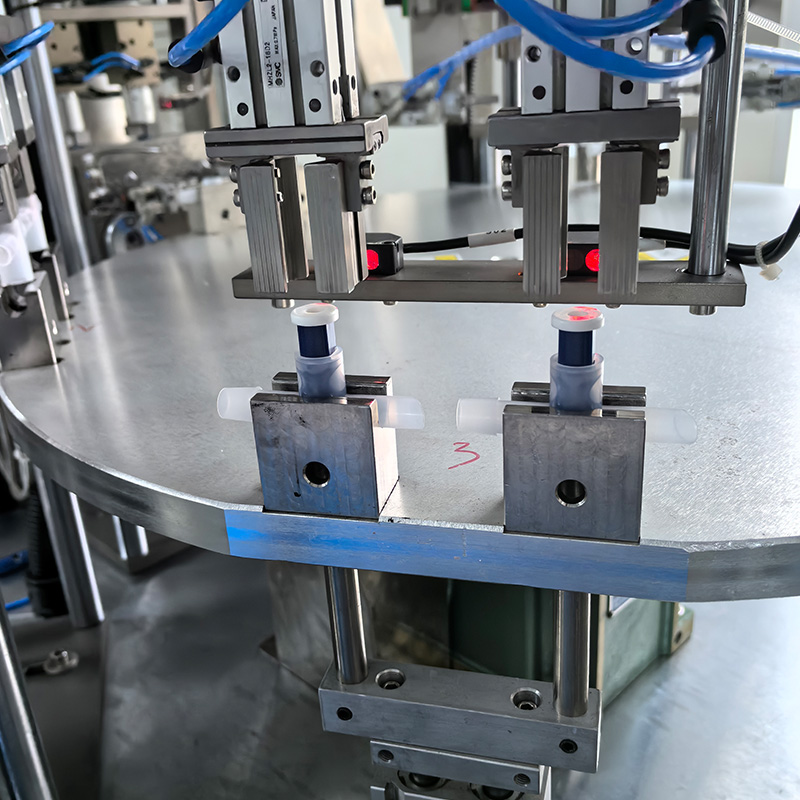
At the core of a Fully Automated Production Line for Syringes Factory lies advanced robotic systems and control technologies. These systems execute assembly, inspection, and packaging with micron-level precision. Delicate components, sensitive plastics, and fine tolerances are handled seamlessly, minimizing defects and improving overall reliability. For manufacturers, the ability to maintain such high accuracy translates into a product that meets regulatory and quality standards without constant human oversight.
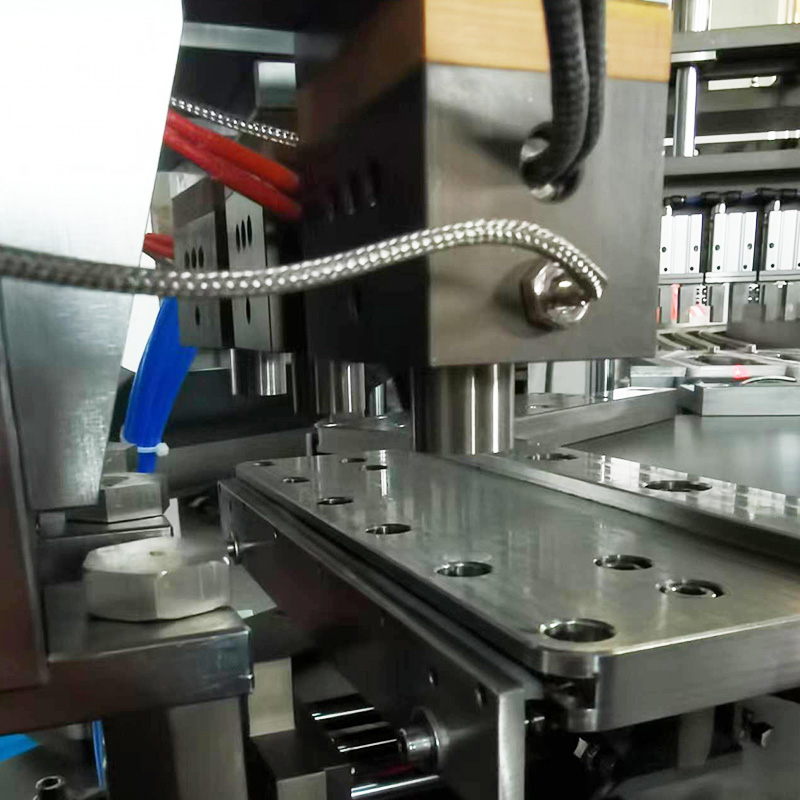
Versatility Across Different Production Needs
Medical device manufacturers often face diverse production requirements, from different syringe sizes to various materials. The modular design of automation systems allows them to adapt processes such as cutting, welding, dispensing, and inspection without major reconfiguration. A Fully Automated Production Line for Syringes can manage multiple materials and syringe formats in the same facility, providing flexibility without slowing down production.
Streamlined Workflow and Enhanced Productivity
A key benefit of automation is continuous operation. Robotic arms and automated conveyors maintain a smooth workflow, reducing production interruptions and labor costs. This improves overall efficiency while allowing manufacturers to meet tighter deadlines. In a Fully Automated Production Line for Syringes Factory, real-time monitoring systems track performance metrics, alerting operators to maintenance needs before issues escalate. This proactive approach ensures minimal downtime and higher throughput.
Quality Assurance Through Advanced Inspection
Quality control is critical in medical device production. Automation equipment in syringe lines often includes high-resolution vision inspection systems that detect defects, deviations, or inconsistencies. The system can remove nonconforming products automatically, ensuring that only syringes meeting strict quality standards reach the next stage. By integrating such intelligent quality assurance, a Fully Automated Production Line for Syringes helps manufacturers maintain compliance and uphold reputation without manual inspection bottlenecks.
Cost-Effective Operations
While initial investment in a Fully Automated Production Line for Syringes may be significant, the reduction in labor requirements, defect rates, and rework costs often justifies the expenditure. Operational efficiency and the ability to produce at a consistent pace can result in long-term savings. Manufacturers can redirect resources previously allocated to manual tasks toward innovation and process improvement.
Maintenance and Continuous Optimization
Automation systems provide insights into operational performance. Factory operators can access data analytics to identify bottlenecks or areas for improvement. Regular maintenance guided by these insights reduces unplanned downtime and ensures consistent production. A Fully Automated Production Line for Syringes Factory that leverages these capabilities maintains a high level of operational efficiency over time.
The adoption of a Fully Automated Production Line for Syringes is not just a technological upgrade—it is a strategic enhancement for manufacturers looking to maintain high-quality output, streamline operations, and stay competitive. By combining precision, versatility, productivity, and quality control, automation equipment offers a reliable solution for modern syringe production needs.