
 English
 русский
 Español


China Zhejiang Taizhou Ambe Trading Co., Ltd. is a manufacturer specializing in the production of medical equipment automation equipment.
Revolutionizing Syringe Manufacturing with Automation
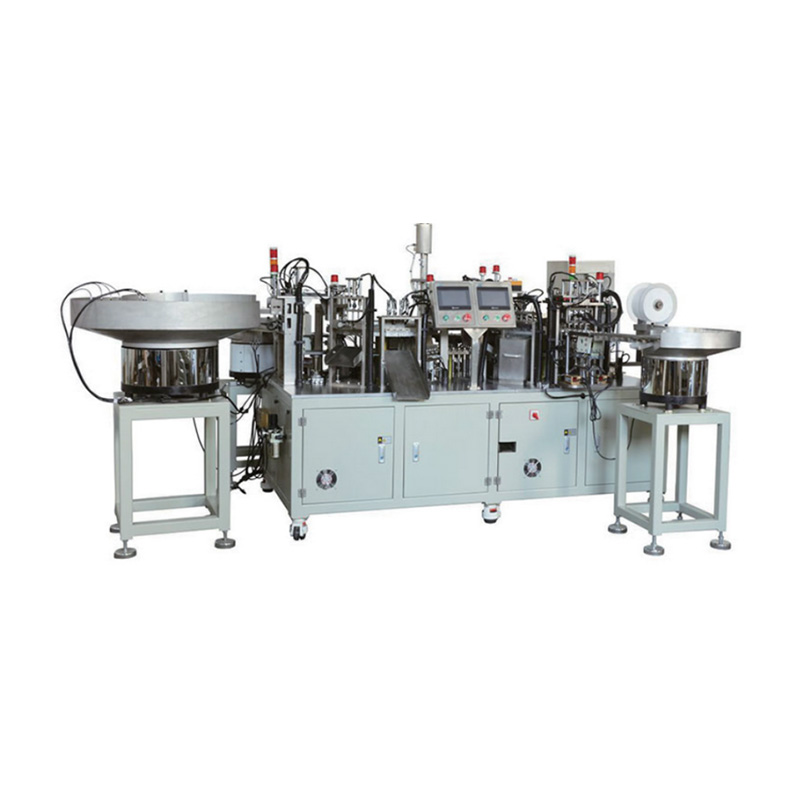
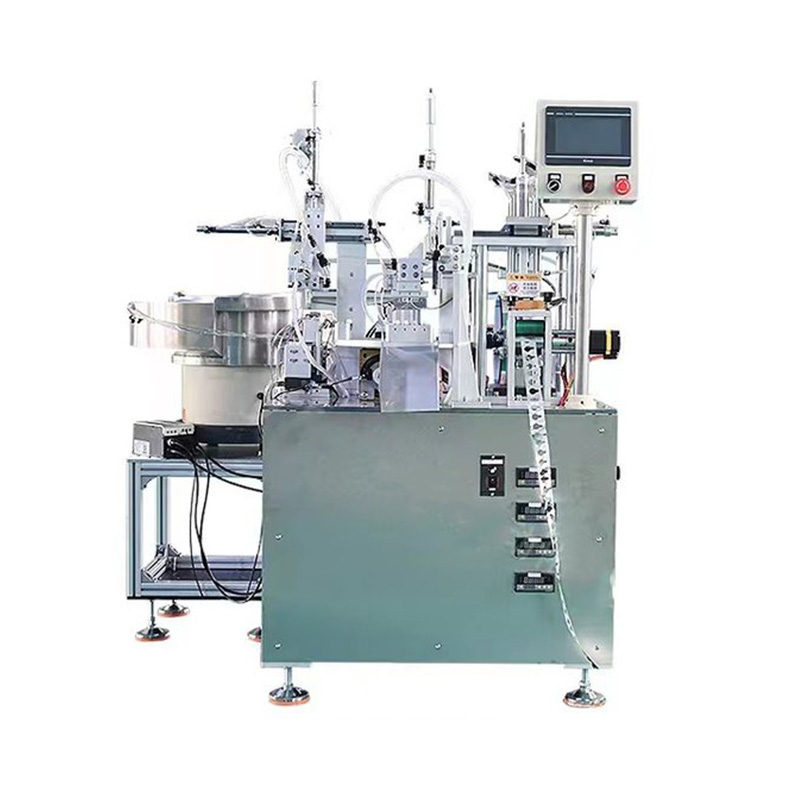
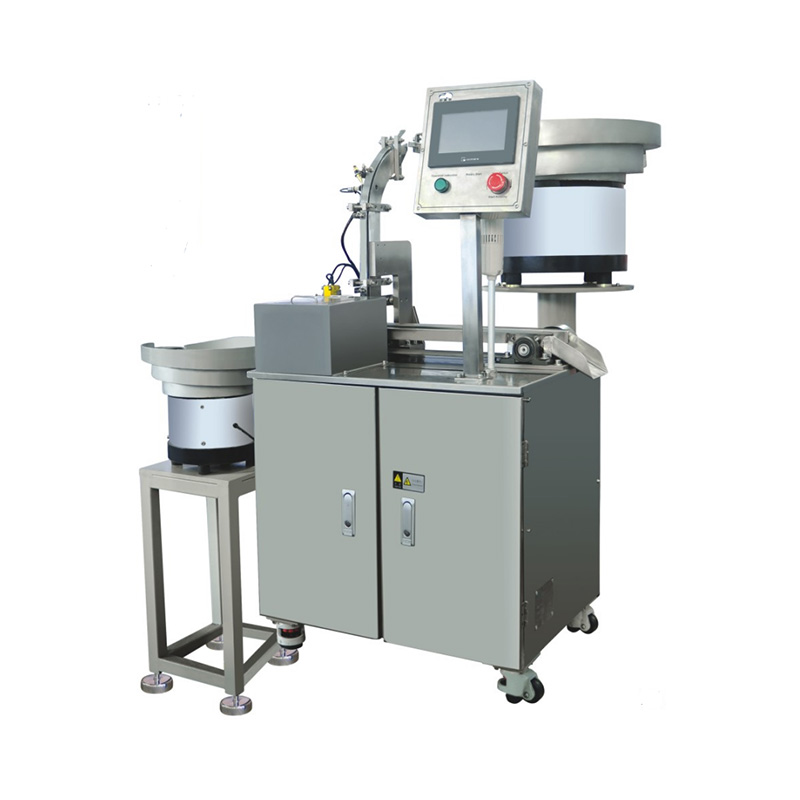
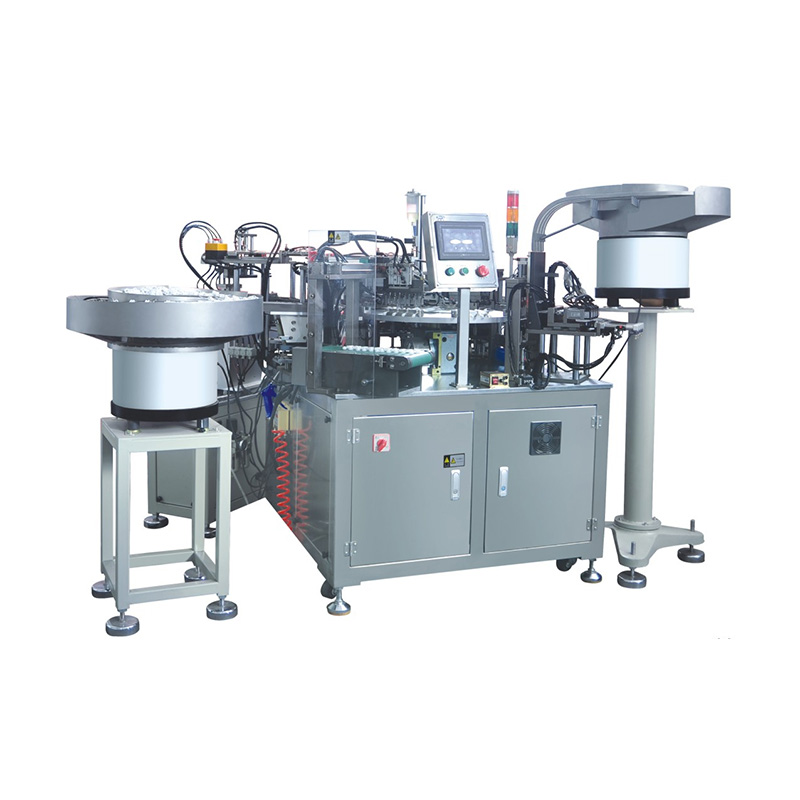
Medical device production demands precision, efficiency, and reliability. An Automated Syringe Assembly and Filling Production Line combines these factors, offering a system that handles assembly, filling, inspection, and packaging in a cohesive workflow. This approach minimizes human intervention, increases output predictability, and maintains consistent product quality.
Advanced Technology for Precise Operations
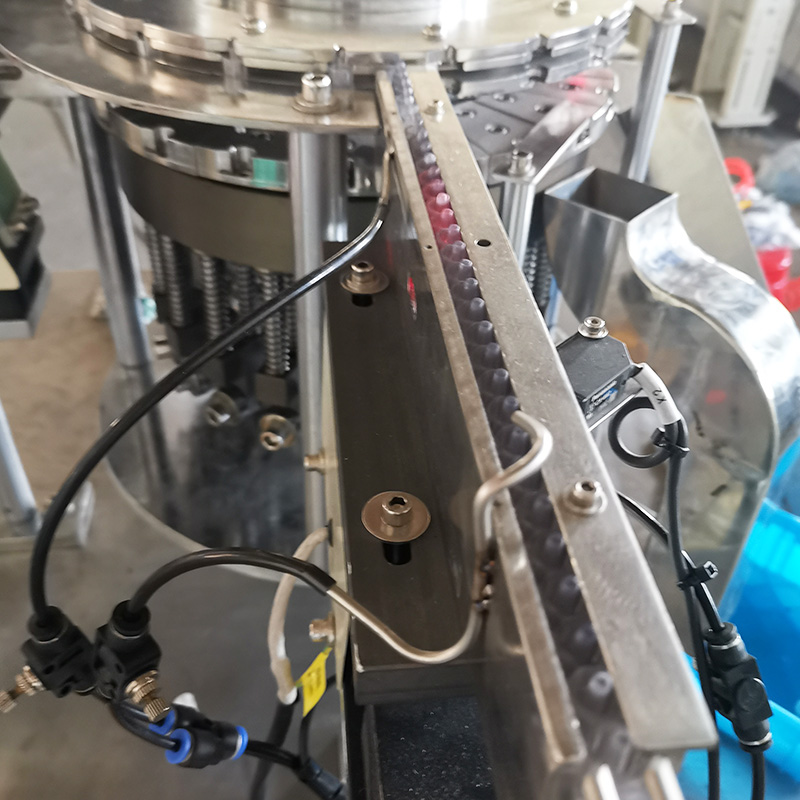
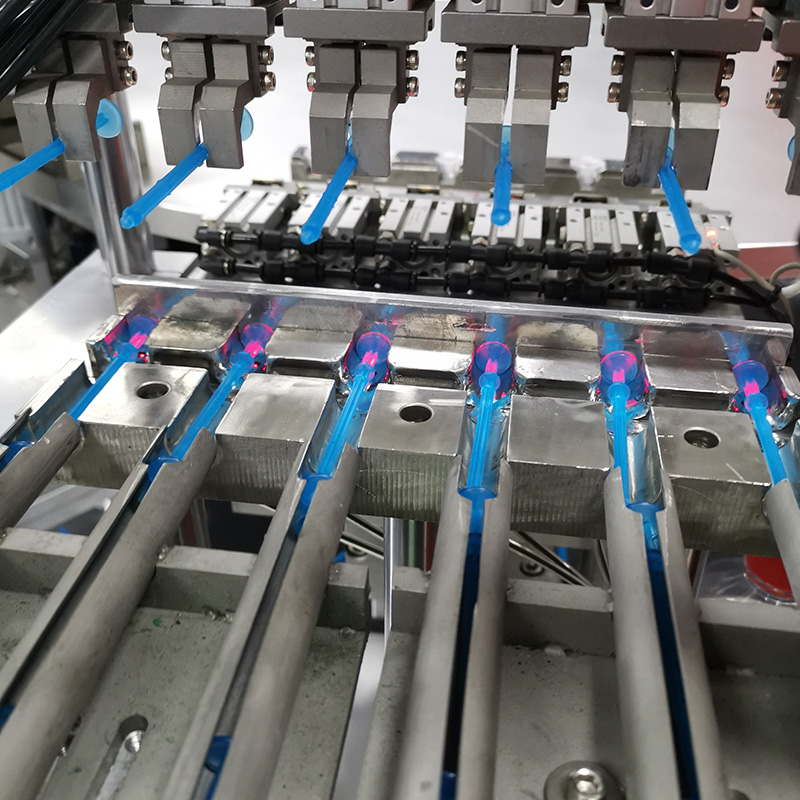
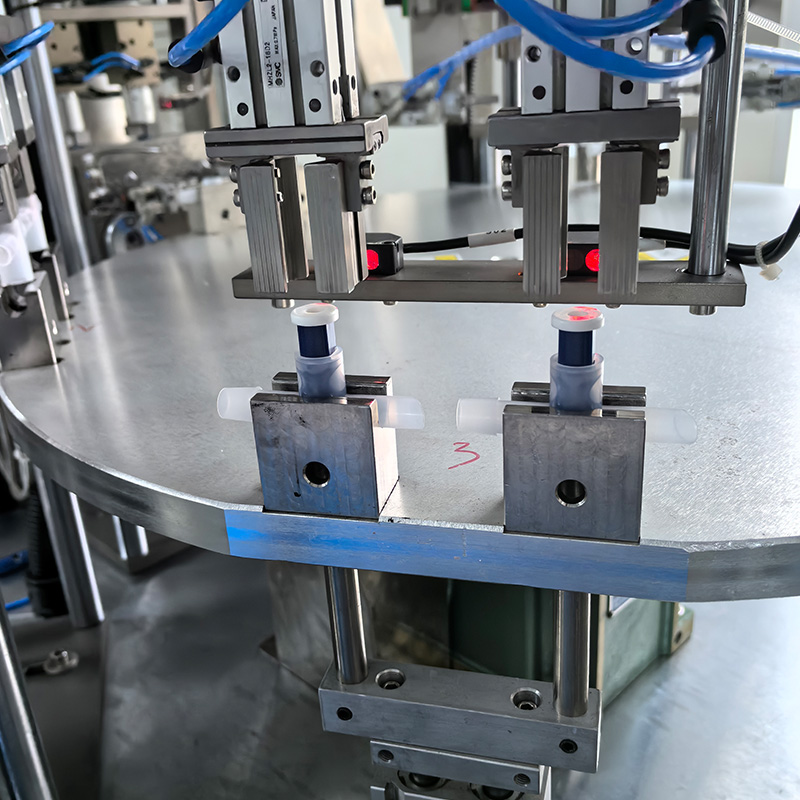
The foundation of an Automated Syringe Assembly and Filling Production Line Factory is advanced robotics paired with intelligent control systems. Each step—whether attaching syringe plungers, filling liquid, or sealing—is executed with micron-level precision.
Key elements include:
- Robotic arms for delicate assembly
- Automated filling nozzles for accurate liquid measurement
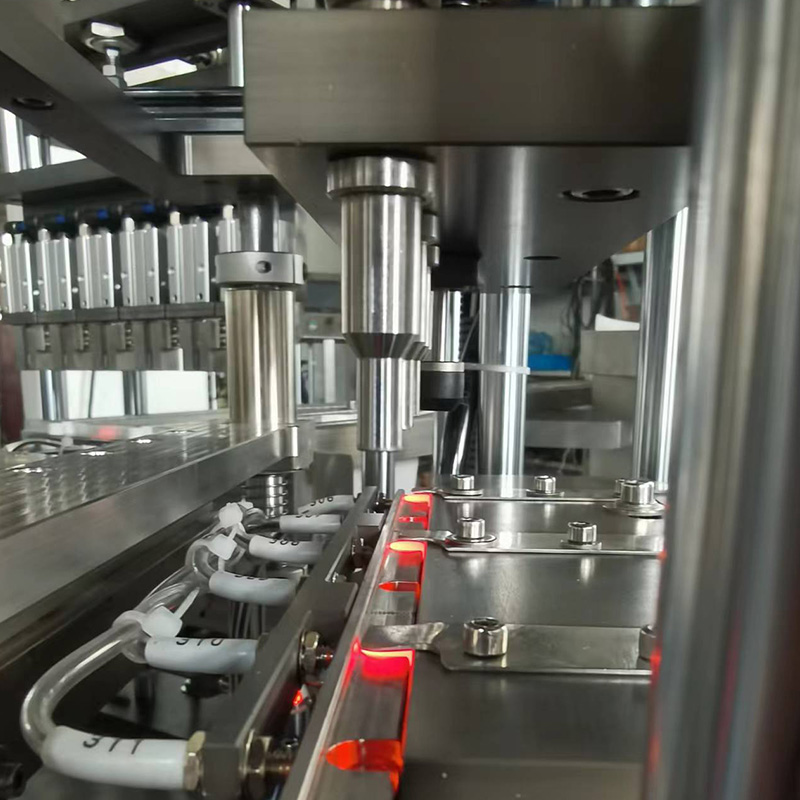
- Vision systems to detect defects or misalignment
These technologies reduce variability, improve reproducibility, and allow factories to maintain regulatory compliance with minimal manual oversight.
Streamlined Workflow Through Modular Design
Flexibility is critical in syringe production. A modular design allows different production stages to integrate seamlessly:
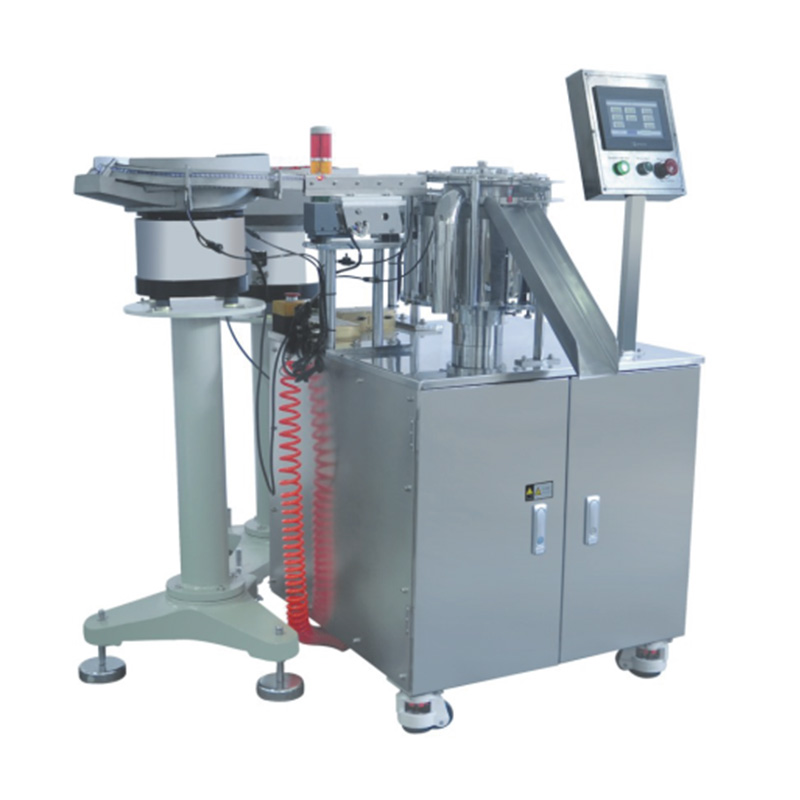
- Component Preparation: Syringe barrels, plungers, and needles are aligned automatically
- Assembly: Components are joined without manual handling
- Filling: Precise liquid volumes are dispensed
- Inspection: Vision systems identify deviations or defects
Packaging: Finished syringes are packaged and labeled
This configuration ensures that an Automated Syringe Assembly and Filling Production Line can handle multiple syringe types and sizes while keeping the workflow continuous and efficient.
Productivity Gains and Cost Efficiency
High-speed automation significantly shortens production cycles. In an Automated Syringe Assembly and Filling Production Line Factory, robots and conveyors work around the clock, reducing downtime and human labor costs.
Benefits include:
- Consistent output with minimal errors
- Reduced manual labor and associated costs
- Real-time monitoring for proactive adjustments
By automating repetitive tasks, manufacturers can allocate human resources to quality control, maintenance, and process optimization.
Quality Control Embedded in Production
Quality is integrated rather than an afterthought. Vision inspection systems and automated sensors check for:
- Component alignment
- Filling accuracy
- Plunger movement and sealing integrity
Defective units are automatically separated, ensuring that every syringe meets defined quality standards. This built-in inspection reduces recalls and maintains consistent production reliability.
Operational Insights Through Data Analytics
An Automated Syringe Assembly and Filling Production Line generates operational data in real time. Key performance indicators (KPIs) such as throughput, defect rates, and cycle times are recorded.
Advantages of analytics include:
- Identifying bottlenecks
- Scheduling predictive maintenance
- Adjusting workflows for efficiency improvements
Factories gain actionable insights, allowing them to optimize production without stopping the line.
Maintenance and Adaptability
Maintenance in an automated system is simplified. Modular equipment enables quick replacement or servicing of components without halting the entire production line. This approach ensures continuous operation, while predictive analytics guide maintenance schedules, minimizing unexpected downtime.
Enhancing Competitive Advantage
For a medical device manufacturer, an Automated Syringe Assembly and Filling Production Line delivers:
- Consistent quality and reproducibility
- Flexible production for diverse syringe types
- Operational efficiency with lower labor requirements
The Automated Syringe Assembly and Filling Production Line Factory model exemplifies how automation transforms traditional syringe manufacturing into a high-tech, efficient, and reliable process.