
 English
 русский
 Español


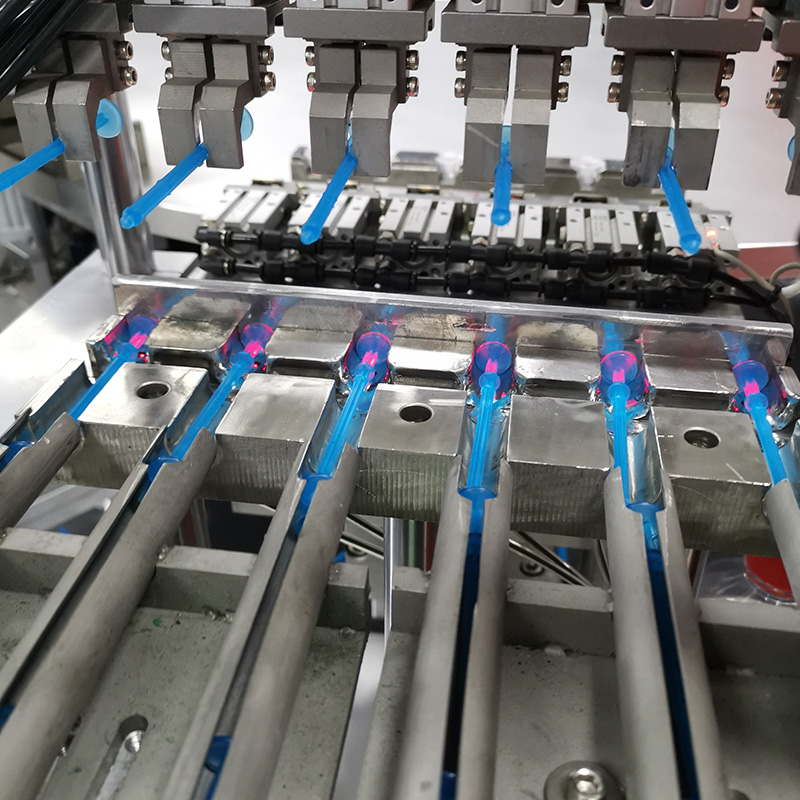
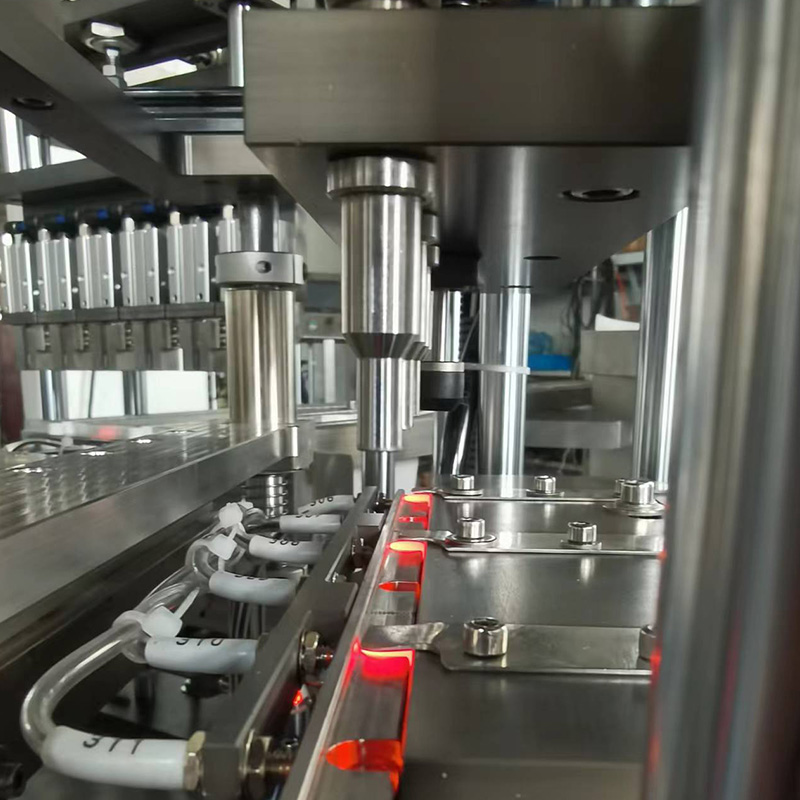
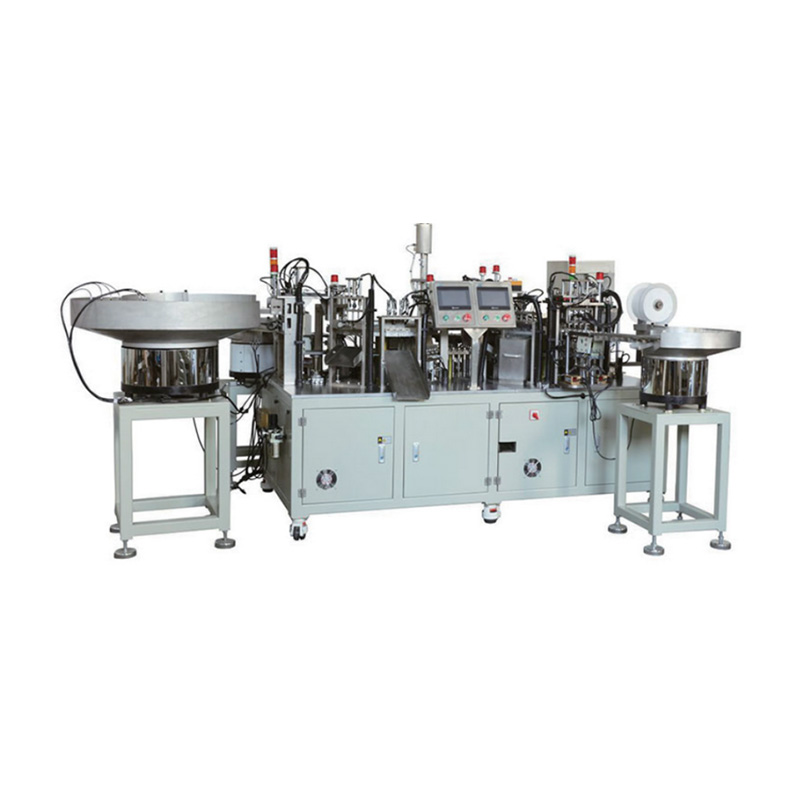
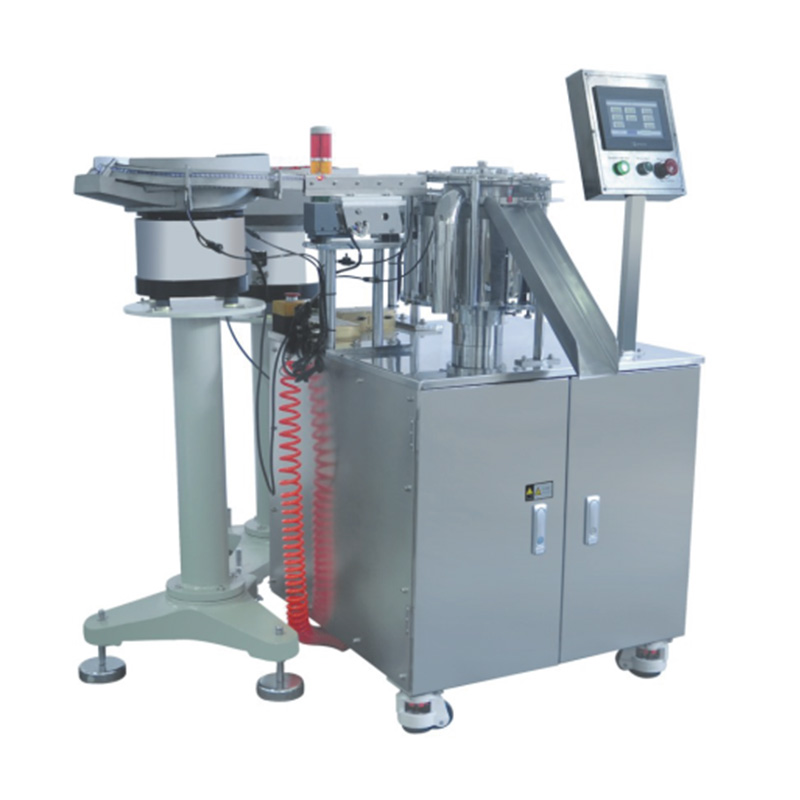
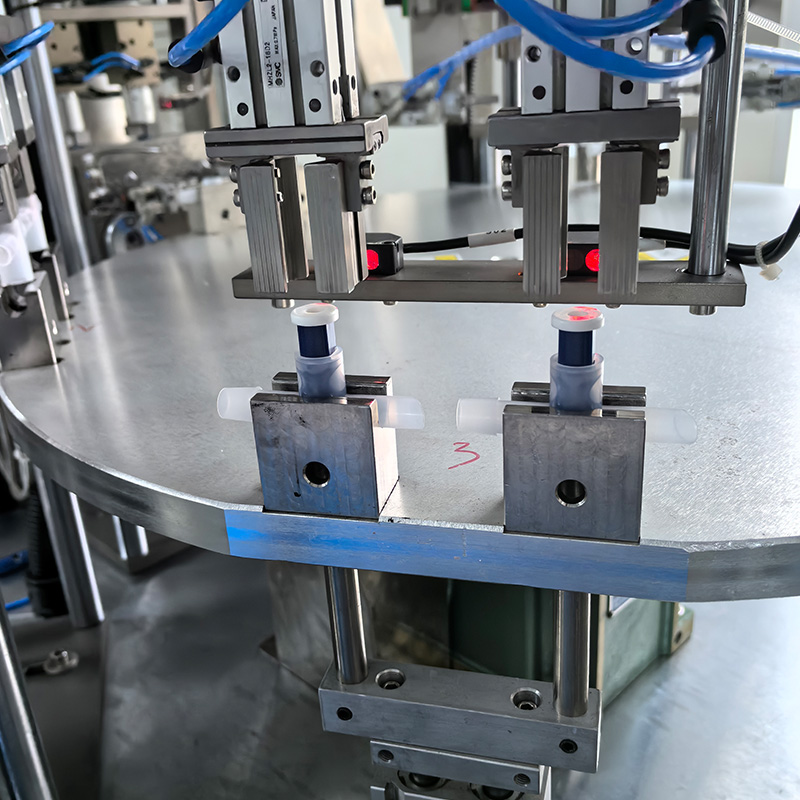
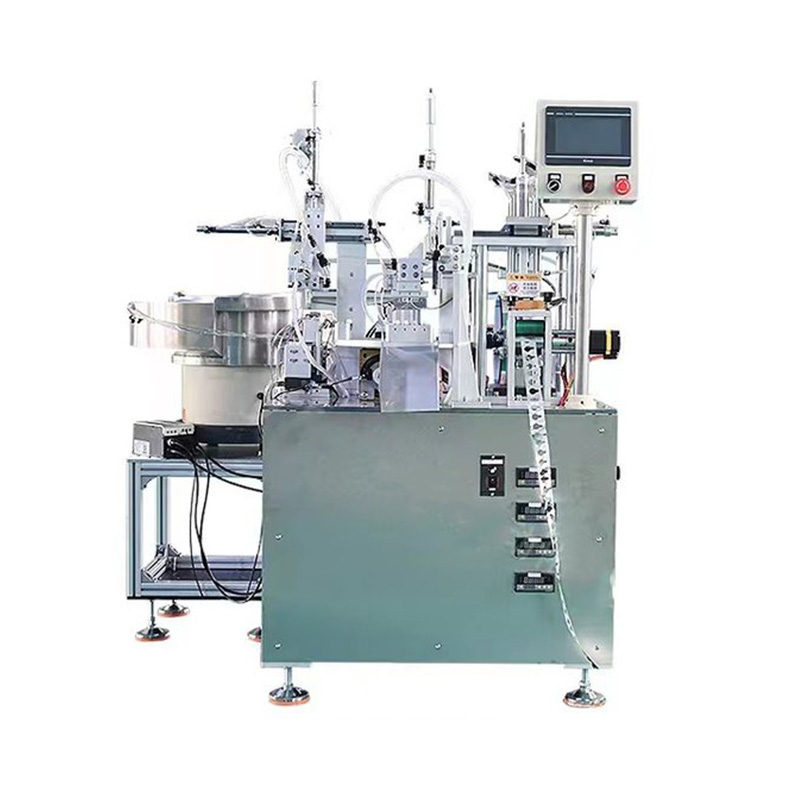
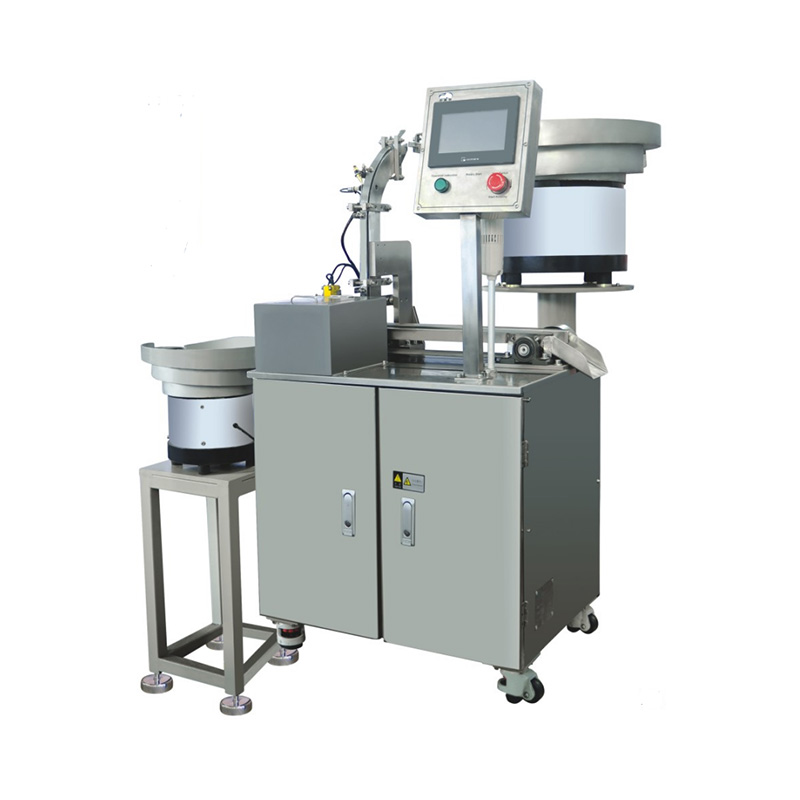
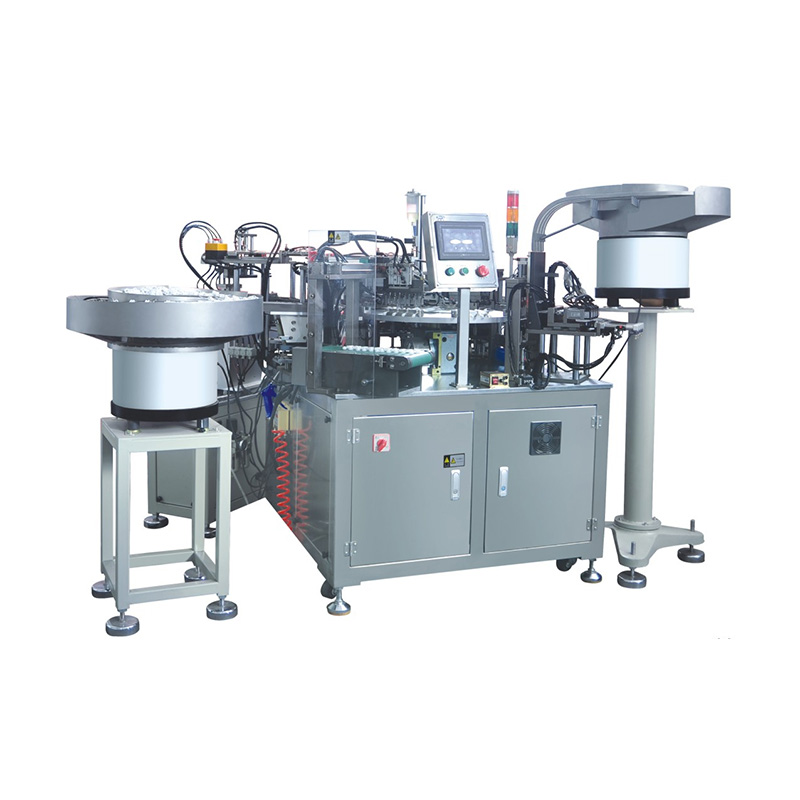
China Zhejiang Taizhou Ambe Trading Co., Ltd. is a manufacturer specializing in the production of medical equipment automation equipment.
Healthcare manufacturing has gradually shifted toward more controlled and continuous production styles. Instead of isolated manual steps, many operations now follow a connected flow. Within this structure, automatic syringe assembly machines are used as a central part of the process.
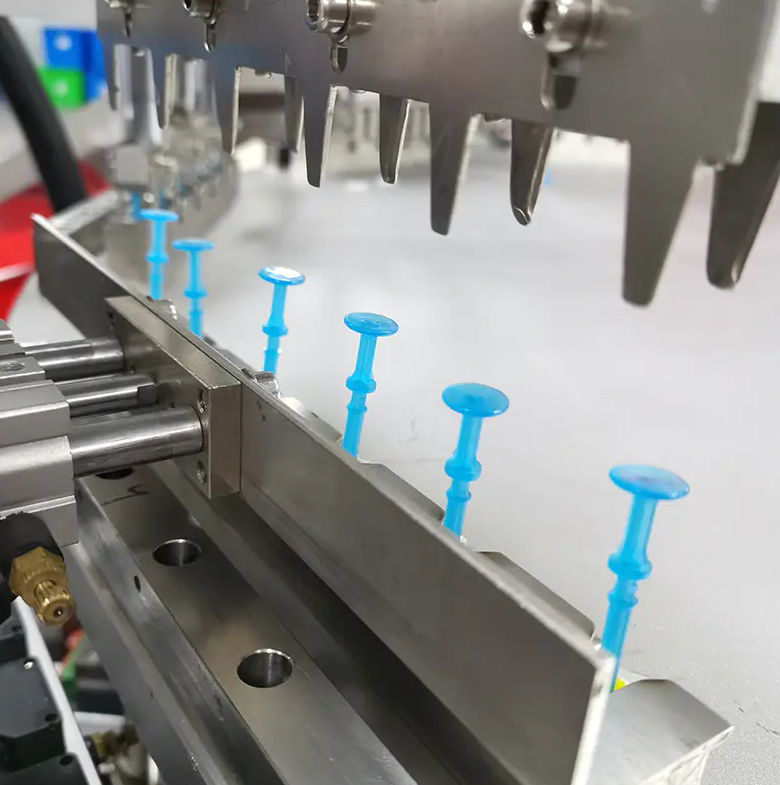
They are not only responsible for putting parts together. They also help organize movement across the production line. When the flow is stable, the entire system feels more predictable and easier to manage.
How Does An Automatic Syringe Assembly Machine Fit Into A Production System?
Medical manufacturing lines run step by step in order. Raw materials get fed in, separate parts get prepped, assembly happens, then finished syringes move onward.
The automatic syringe assembly machine sits right in the middle of this whole workflow. It takes all the pre-processed small parts and puts them together fully through repeated automated cycles.
This middle station carries a lot of weight for the whole line. If its operation is inconsistent, every process before and after will be disrupted. That's why engineers spend extra time refining its material flow and working rhythm during design.
The line keeps moving nonstop. Components feed in at a steady rate, and finished products exit at the matching speed. Keeping this balance intact lets the entire production line operate without hiccups.
What Happens During The Assembly Process?
The process follows a clear sequence, but it is not rushed. Each step connects to the next in a steady rhythm.
Components are first guided into position. They are arranged in a fixed order so they can be joined correctly. After that, the assembly action takes place through repeated motion.
From a distance, the process may look simple. In reality, each cycle depends on timing and alignment. If one part arrives slightly off, the next step must compensate.
A typical flow looks like this:
- Component feeding
- Position guidance
- Assembly movement
- Basic checking
- Output transfer
Each stage supports the next one. When this sequence remains stable, the system becomes easier to control over long periods.
Why Does Workflow Stability Matter So Much?
Workflow stability is often more important than raw speed. A fast system that stops frequently is less effective than a steady one that runs without interruption.
When steps are balanced, the machine does not need to pause often. Materials move forward in a natural rhythm. This reduces small delays that can build up over time.
In many production environments, stability also reduces stress on operators. They can focus on observation instead of constant correction.
A stable workflow does not happen by accident. It comes from careful arrangement of each stage so that no single part of the process becomes overloaded.
How Does Feeding Influence The Entire System?
Feeding is where the whole production cycle begins. Any uneven supply here will mess up every later process straight away.
Parts need to go into the machine neatly, with even spacing and the right facing direction.
When feeding works steadily, every station after gets a constant stream of parts, keeping the line running at an even pace.
If feeding turns erratic, small stalls will pop up down the line. These stalls look unimportant at first, but constant delays will cut overall output efficiency.
That's why factories treat feeding as a core base of production, not just a simple step to load parts.
What Role Does Alignment Play In Assembly Quality?
Alignment is a really delicate part of assembly work. Even tiny shifts in position stop parts from fitting together well.
Before assembly starts, every single piece is guided into its exact spot to make sure all movements follow the set path.
Stable alignment makes assembly run much more smoothly. There's less need to pause and adjust, so the workflow stays continuous.
Bad alignment forces the machine to slow down for fixes. After a while, these slowdowns break the steady flow of the whole line.
For this reason, workers always watch alignment conditions closely during production runs.
How Is Output Managed Without Breaking The Flow?
Once assembly is complete, finished units must leave the system in a steady way.
Output handling is designed to avoid buildup at the end of the line. If items accumulate too quickly, earlier stages may slow down.
Instead, products move out continuously. This creates space for the next cycle to begin without delay.
The output stage is not only about collection. It also plays a role in maintaining balance across the entire system. When it works well, upstream processes remain stable.
How Do Operators Support Automated Systems?
Even with automation, human involvement remains important. Operators do not handle every unit, but they observe the system as a whole.
They watch for changes in rhythm, small delays, or unusual patterns in movement. These signals often indicate that something needs attention.
Their responsibilities usually include:
- Monitoring material flow
- Observing timing between stages
- Checking overall system behavior
- Making small adjustments when needed
This kind of involvement is not constant intervention. It is more about awareness. When operators understand the rhythm of the system, they can respond quickly when something changes.
What Factors Influence Production Efficiency?
Efficiency is shaped by several connected elements. No single factor determines the result on its own.
Some of the most important influences include:
- Consistent material supply
- Balanced timing between stages
- Stable machine movement
- Clear system layout
- Timely operator response
These elements work together. When one becomes unstable, others may need to adjust to restore balance.
Efficiency is not just about how fast the system runs. It is about how smoothly it operates over time without unnecessary interruption.
How Does System Layout Affect Daily Operation?
The way you lay out the machines on the shop floor really affects how the daily work goes. When everything is arranged in a logical order, materials move smoothly from one station to the next. You waste less time carrying things around and things just feel quicker overall.
It also makes life easier for the operators. They can walk through the area without getting confused and reach any spot fast when they need to tweak something. Sometimes even a small change in the layout can make the whole shift feel better. A smart setup simply helps the production run more smoothly day in and day out.
Can The System Adapt To Different Production Needs?
Production needs aren't fixed. Different products or running conditions often require changes in speed or handling.
Automatic syringe assembly systems can handle this by making small adjustments — things like feeding speed, timing, or the way finished parts are discharged. The key is to change things gradually. Big sudden shifts usually mess up the system's rhythm.
The goal is to stay stable while still being able to flex when needed. That balance becomes really important in places where the production mix changes from time to time.
What Challenges Can Appear During Operation?
Even stable systems can face small challenges during long-term use.
Some common situations include:
- Slight changes in material behavior
- Timing differences between stages
- Gradual wear of components
- Minor interruptions in feeding
These issues do not always cause immediate problems. However, if left unaddressed, they may affect flow over time.
Regular observation helps identify these changes early. Small corrections are often enough to restore balance.
How Does Automation Improve Production Consistency?
Automation really helps cut down the variation that comes from people doing things by hand. Every cycle runs pretty much the same way, so the parts coming out stay a lot more consistent.
When you repeat a process under good control, the differences between units shrink noticeably. That's especially crucial in healthcare manufacturing, where they watch consistency like a hawk.
But here's the thing — automation doesn't work great on its own. It needs solid workflow design and regular maintenance to really shine. In the end, it's not just the machine, it's how everything around it is organized that makes the difference.
Why Is Continuous Flow Important In Assembly Systems?
Continuous flow makes a big difference by reducing interruptions. When the system keeps moving steadily, each station has the right amount of time and space to do its job properly.
Once flow gets broken, little delays start adding up and can hurt your overall output over time.
A smooth continuous line just feels more balanced. Materials keep moving in and out without random stops, and every stage stays connected to the one before and after it. This kind of steady flow is really important in structured manufacturing environments where timing matters a lot.
How Does Long-Term Operation Affect Stability?
Over time, every system experiences small changes. These may come from usage, environment, or material variation.
Regular monitoring helps keep these changes under control. Instead of large adjustments, small corrections are often enough.
Long-term stability depends on attention to detail. When small issues are managed early, the system can continue to operate smoothly.
How Do Automatic Syringe Assembly Machines Support Modern Production?
Automatic syringe assembly machines support healthcare manufacturing by organizing repeated tasks into a controlled flow.
They help reduce variation, maintain rhythm, and connect different stages of production.
Their role is not limited to assembly alone. They also contribute to system balance and workflow stability.
In modern manufacturing environments, this type of structured operation allows production to remain steady, predictable, and easier to manage over time.