
 English
 русский
 Español


China Zhejiang Taizhou Ambe Trading Co., Ltd. is a manufacturer specializing in the production of medical equipment automation equipment.
A syringe factory can run smoothly in the morning and fall behind by the afternoon. A feeder sticks, parts build up at one station, or inspection can't keep pace. Small delays like these can put an order behind schedule.
Hand assembly may work for small orders. When a factory makes thousands of syringes, workers repeat the same movements all day: pick up a part, turn it, fit it, check it, and pass it along. It's tiring, and consistency gets harder as the pace picks up.
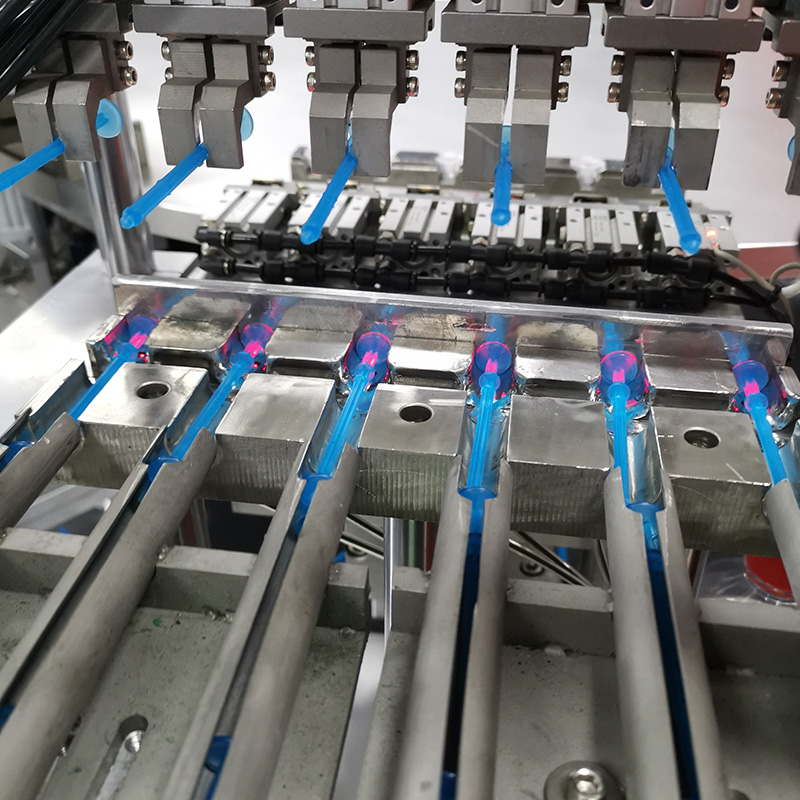
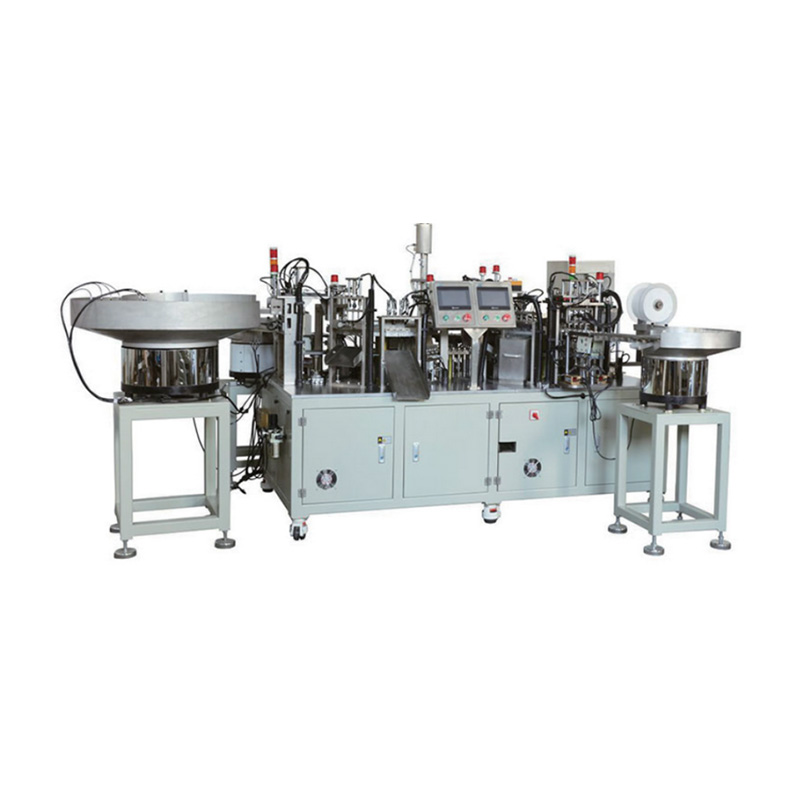
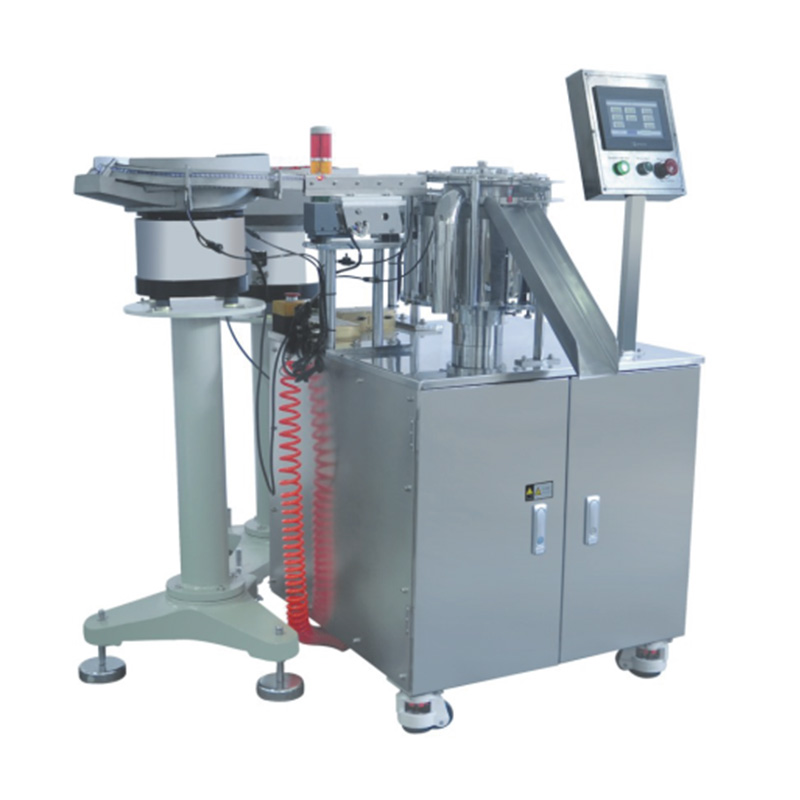
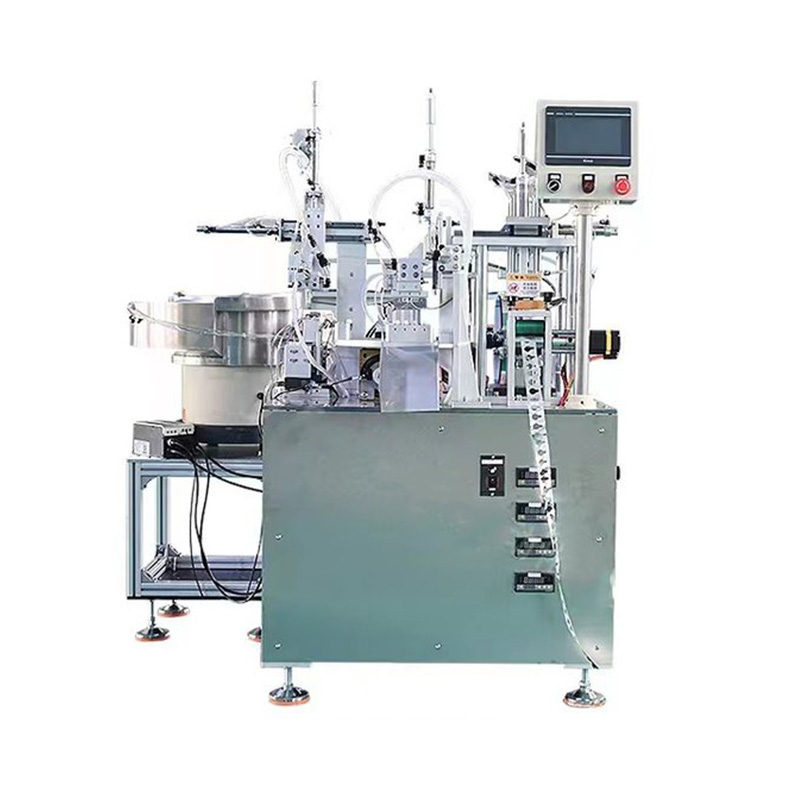
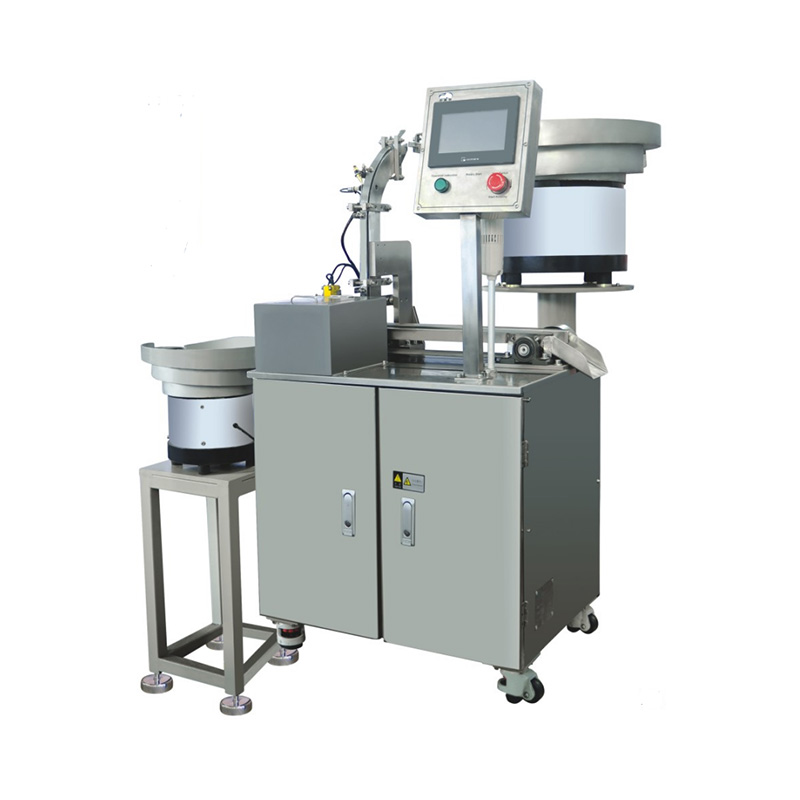
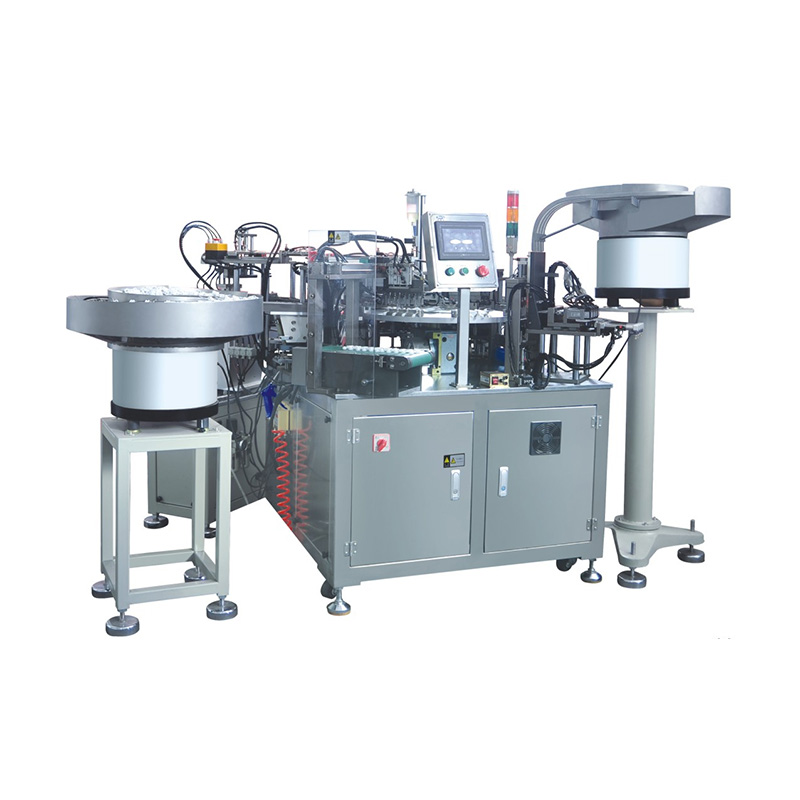
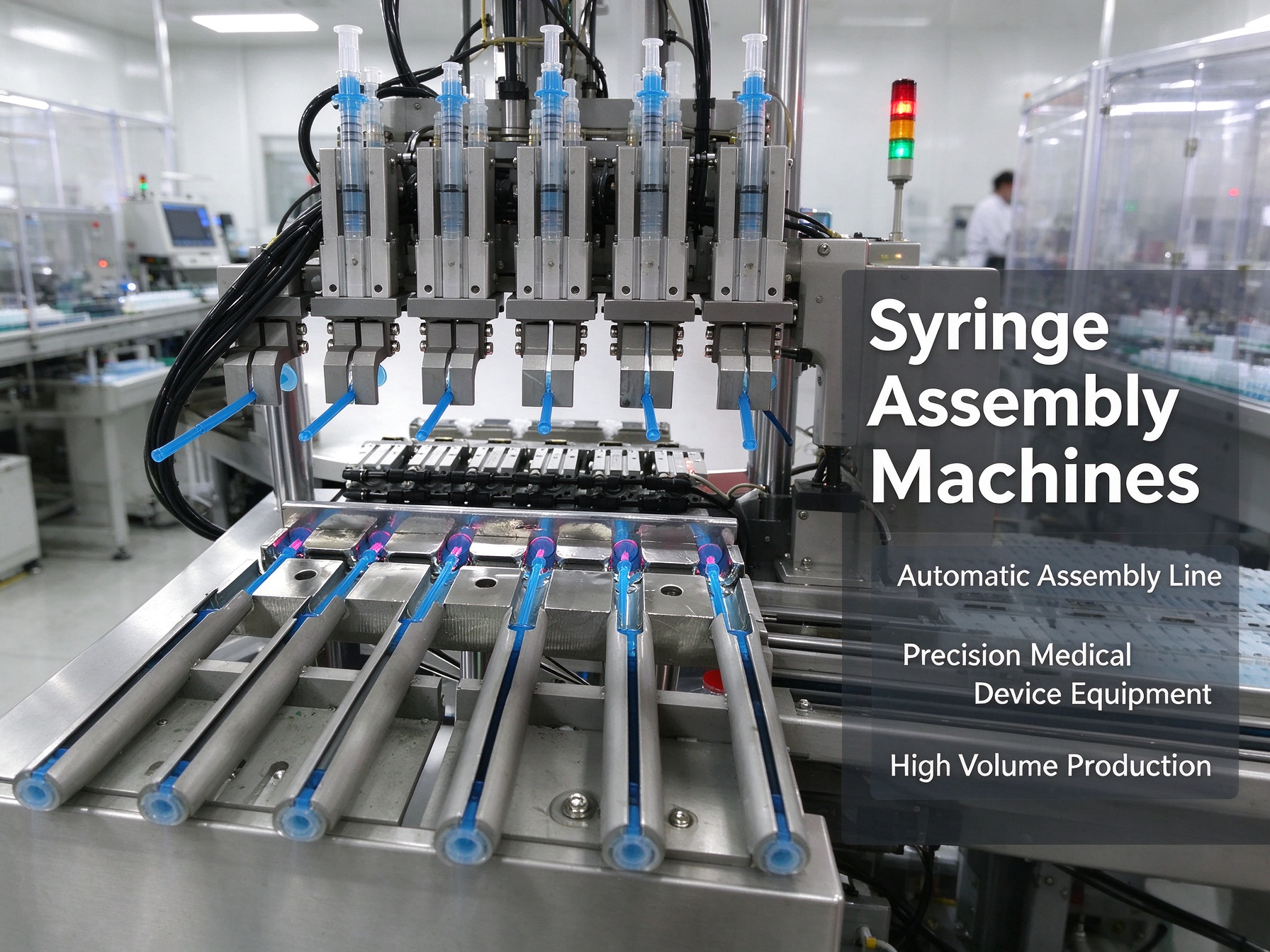
That's one reason factories look at Syringe Assembly Machines. Depending on the design, the equipment can feed parts, assemble barrels and plungers, fit stoppers or caps, and check for certain defects while the line is running. It can take a lot of repetitive handling out of the job.
A machine isn't a magic fix. Out-of-spec parts, badly adjusted feeders, or neglected maintenance can still stop the line. What matters is whether the equipment suits the syringe and the rest of the process.
Why Manual Assembly Can Become a Bottleneck
A syringe has only a handful of parts, but they have to fit together properly. Depending on the model, there may be a barrel, plunger, stopper, needle, protective cap, and other components. If one part is out of place, the finished syringe may not work as it should.
Hand assembly has limits. Workers tire, and people may handle the same task a little differently. Delays can also come from the layout: trays have to be carried between stations, finished units wait for inspection, or one slow step holds up the rest.
Before buying machinery, watch the current line for a while. Where do products start to pile up? Which station needs help repeatedly? Are rejected syringes coming from assembly mistakes, or are the components already inconsistent when they arrive? Those answers matter. A new machine won't solve a supply problem, and it won't make a badly arranged line run smoothly by itself.
Where the Time Savings Come From
Manual assembly involves a string of small actions. A worker picks up a component, checks its direction, lines it up, fits it, and moves the syringe to the next step. Each action is short, but repeating it over a big order takes time.
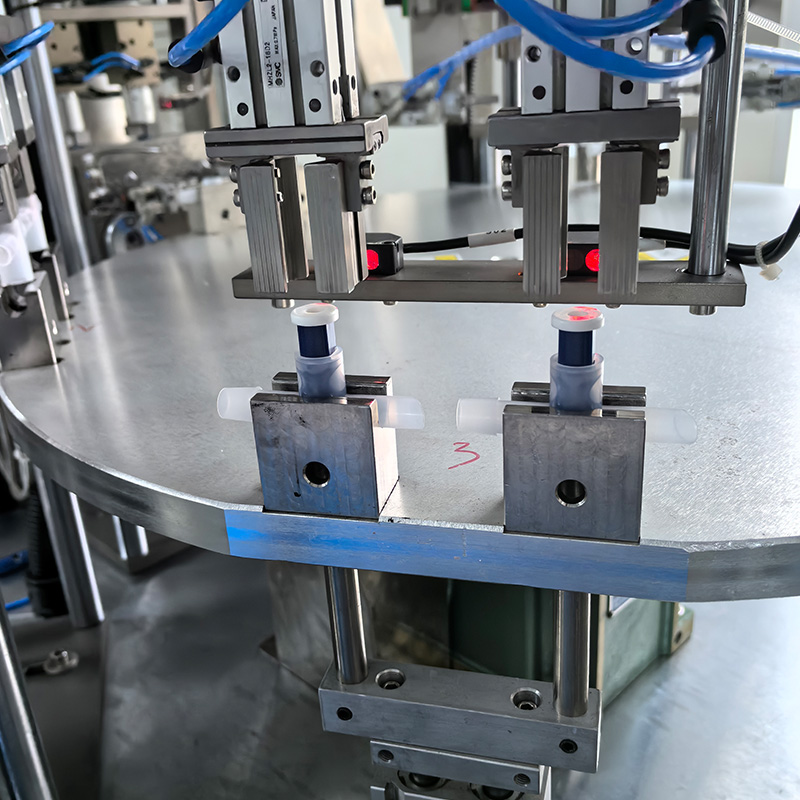
An automated machine can combine many of those movements into one cycle. Feeders bring parts to the right place, fixtures help hold them in position, and transfer mechanisms move the partly assembled syringe along. Depending on the setup, the machine may handle:
- Component feeding: Barrels, plungers, stoppers, and other parts enter the process with less hand sorting and handling.
- Several assembly steps: Linked stations can complete more than one operation without someone carrying unfinished products across the floor.
- Part fitting and positioning: Guided movements help parts meet in the intended position.
- Product transfer: Syringes move from one station to the next without being picked up and set down by hand each time.
This can make a difference on large orders, provided the machine runs steadily. Brochure speed is only part of the picture: feeder jams, sensor adjustments, and frequent changeovers all cut actual output.
Ask the supplier how the stated production rate was measured. Was it a short run with everything running smoothly, or a full shift that included normal stops and checks? For planning purposes, the number of acceptable syringes made in a real shift matters more than a cycle-speed figure on its own.
Speed Won't Help Much If Defects Increase
Picture a factory that starts making more syringes per hour after installing a machine, then finds that the reject pile has grown as well. Workers now have to sort the extra products, investigate faults, and rework what can be salvaged. Some of the time gained on the assembly line disappears elsewhere.
That is why consistent fitting matters as much as fast fitting. Syringe assembly equipment may use fixtures, guides, sensors, and controlled movements to keep components in place. When the machine is set up correctly and the parts meet the required dimensions, the same assembly sequence can be repeated across a batch.
Take the barrel and plunger. They need to fit in the way the product was designed to work. If the plunger sits incorrectly or the stopper isn't seated properly, the syringe may not function as intended. Automation helps reduce variation, but it can't correct every incoming part. A barrel with the wrong dimensions or a deformed stopper can cause problems even on a well-adjusted line.
When the same defect keeps turning up, don't just keep tweaking the settings and hoping it goes away. Look at the part, the fixture, the feeder, and the machine setting together. A worn fixture, a dirty sensor, a component outside tolerance, or a feeder that doesn't handle a part's shape well can all cause problems. Find the source before changing more settings.
Catching Problems During Production
On a line that relies entirely on end-of-line checks, inspection can become a queue of its own. If assembly speeds up but each finished syringe still has to wait for a manual check, the inspection area may hold everything back.
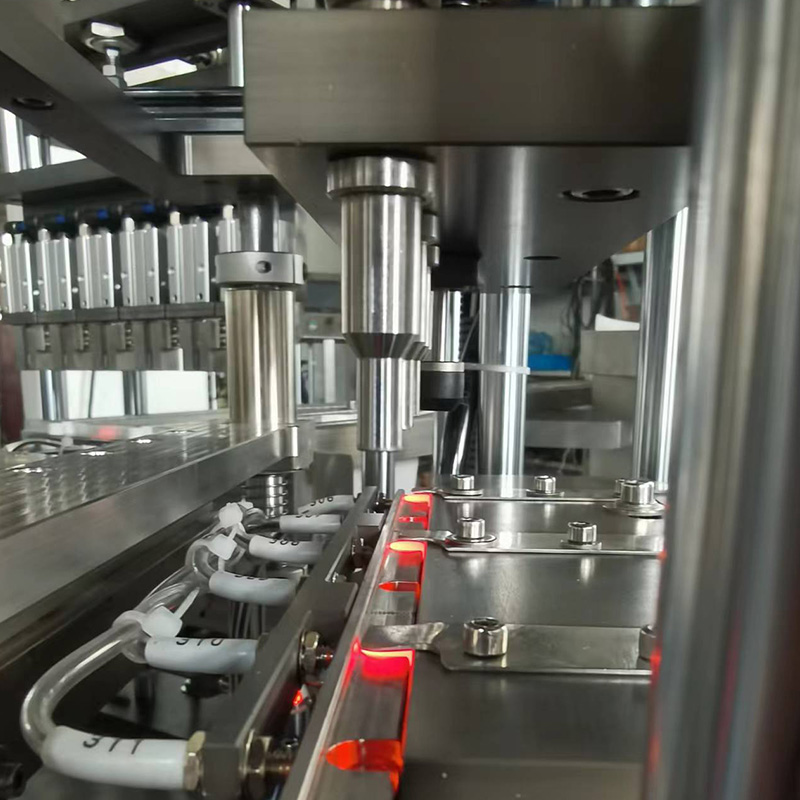
Some Syringe Assembly Machines can check for selected faults as the product moves through the line. Depending on the system, cameras or sensors may identify a missing component, a cap in the wrong position, or a visible assembly problem. Other checks may measure a particular dimension or test a specific product function.
|
Inspection point |
Possible method |
What it may detect |
|---|---|---|
|
Component presence |
Sensor or camera |
Missing part |
|
Component position |
Camera or position sensor |
Certain alignment errors |
|
Barrel and plunger assembly |
Visual or dimensional check |
Selected fitting problems |
|
Needle or cap fitting |
Product-specific check |
Missing part or fitting fault |
|
Finished syringe |
Visual or functional test |
Defects covered by the inspection plan |
The method has to fit the fault. A camera may spot a missing cap, but it can't tell you everything about how a syringe performs. Make sure the inspection plan spells out what the system can catch. Rejected units also need to be handled according to the factory's procedure, and recurring faults should be recorded and investigated. In-line checks help flag problems early; they don't replace the wider quality system.
What Changes for Operators
Automation doesn't take people out of the process altogether. It changes their jobs. Operators may spend less time assembling individual syringes and more time replenishing feeders, watching the machine, clearing routine alarms, checking output, and carrying out basic upkeep. Technicians will still be needed for tooling changes and faults that need a closer look.
How much labour is freed up depends on the machine. Equipment that handles one small task won't have the same effect as a line that feeds parts, completes several assembly steps, and transfers products between them.
Before installation, note how workers spend their time. Later, compare output, downtime, and rejects rather than simply counting how many people have moved to other jobs. Operators also need to know how to handle routine alarms and when to call a technician.
Make Sure It Suits the Syringe You're Making
A machine built for one syringe design may not suit another. Capacity, barrel size, tip design, and the way components fit together all affect the tooling and feeding system. A fixed-needle syringe, for example, may need a different arrangement from a model with a detachable needle.
Give the supplier product drawings and component specifications before asking for a quote. Explain the models you make now, the output you need, and whether you expect the product range to change. That gives the engineering team something concrete to work with.
Before choosing, confirm which syringe sizes the machine can run, how long a changeover takes, what tolerances incoming parts must meet, whether another model can be added later, and whether there's room for operation, cleaning, and maintenance.
If a factory makes one standard syringe in large batches, dedicated equipment may make sense. If it handles several models, flexible tooling and manageable changeovers may matter more. The right setup depends on the day-to-day work, not just the machine's headline capacity.
Check What It Produces on a Normal Shift
A quoted rate is useful when comparing equipment, but it doesn't say how many acceptable syringes the factory will get in practice. Track the actual output after installation and compare it with the old line.
Track units produced per shift, inspection pass rates, downtime, scrap, rework, changeover time, and labour hours per batch. Some factories also use overall equipment effectiveness (OEE), which combines availability, performance, and quality. It is useful only if the figures are collected consistently.
For example, a line may produce more units per hour but also reject more of them. Once the defective syringes are separated and any possible rework is done, the increase in usable output may be much smaller than the production rate suggests.
Before ordering, agree on a machine acceptance test with the supplier. Set out the syringe model, components, expected output, inspection criteria, and how stops and rejected units will be counted. A trial using representative parts is more informative than relying on a speed figure alone.
Maintenance and Hygiene Still Need Attention
A machine that stops every few hours can quickly use up the time it was meant to save. Feeders, sensors, fixtures, and moving parts need regular checks, and worn items may have to be replaced. Ask about service intervals, cleaning, spare parts, and technical support before buying. It's also worth knowing how common faults are diagnosed and what training the supplier provides.
If a small replacement part takes weeks to arrive, even a minor fault can hold up production.
Hygiene and contamination control need attention too. The machine and the production environment must meet the requirements for the syringe and the factory's quality system. Assembly automation does not make a product sterile. Where sterilisation is required, it must be handled through an appropriate validated process. Buyers should also make sure the machine documentation and production records fit their quality and regulatory needs.
Questions to Discuss Before Ordering
Get production, engineering, purchasing, and quality staff involved before signing off. Ask the supplier to demonstrate output using your syringe design, explain which defects the inspection system can catch, and confirm component tolerances, changeover time, spare parts, training, and service support. A trial with your own components can reveal feeding or fitting problems that won't show up with another product. Check cleaning access and rejected-product handling while you're there.
Getting More From Syringe Assembly Automation
Syringe Assembly Machines can cut down on repetitive handling and help the factory keep assembly steps more consistent. Some systems can also catch selected defects while production is underway. For high-volume work, those changes can make a line easier to manage.
The equipment still needs suitable parts, regular maintenance, trained operators, and a clear way to handle defects. Before investing, record current output and reject rates, test the machine with representative parts, and keep tracking results after installation.
In the end, the useful question isn't how quickly the machine completes one cycle. It's how many acceptable syringes the line can turn out during a normal shift, how well it handles the products you actually make, and whether your team can keep it running without constant interruptions.