
 English
 русский
 Español



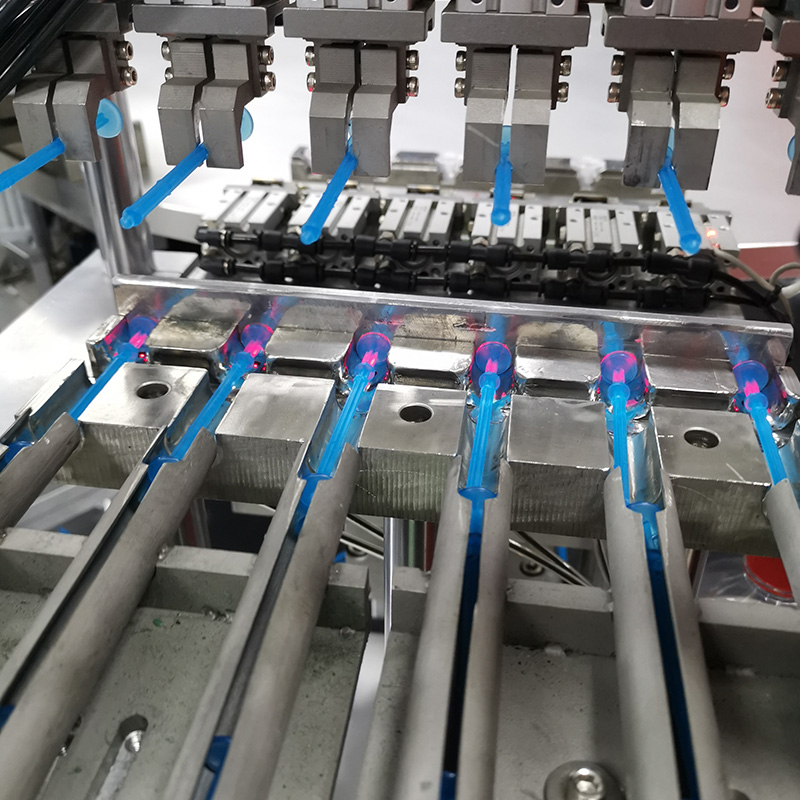
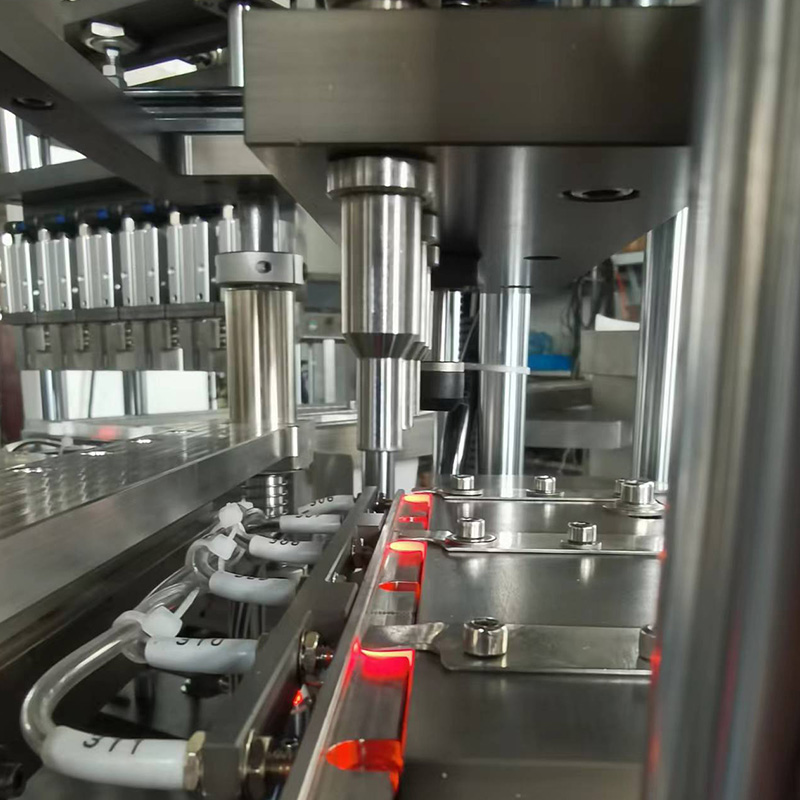
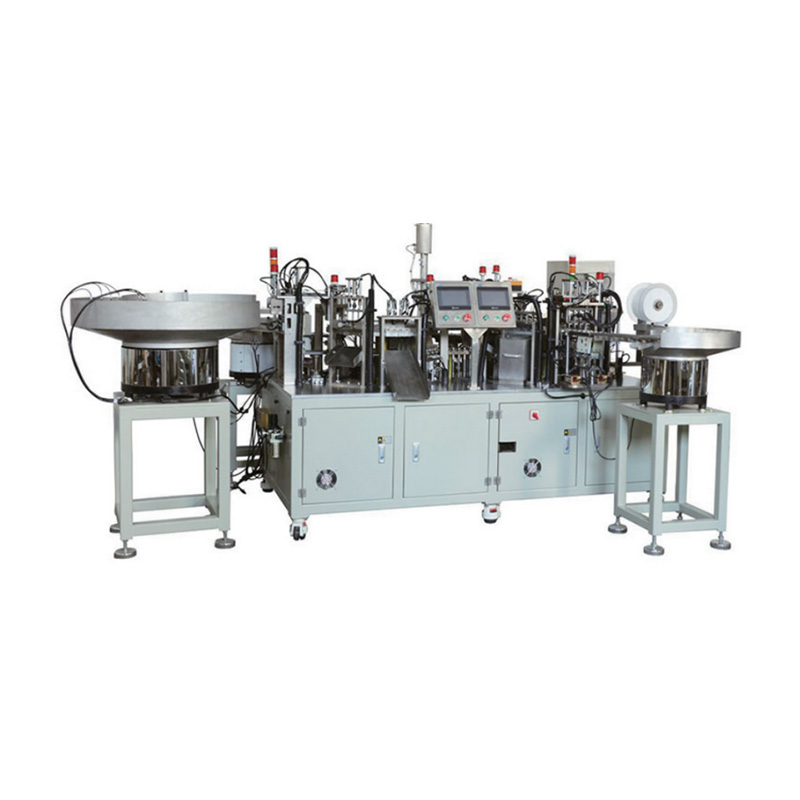
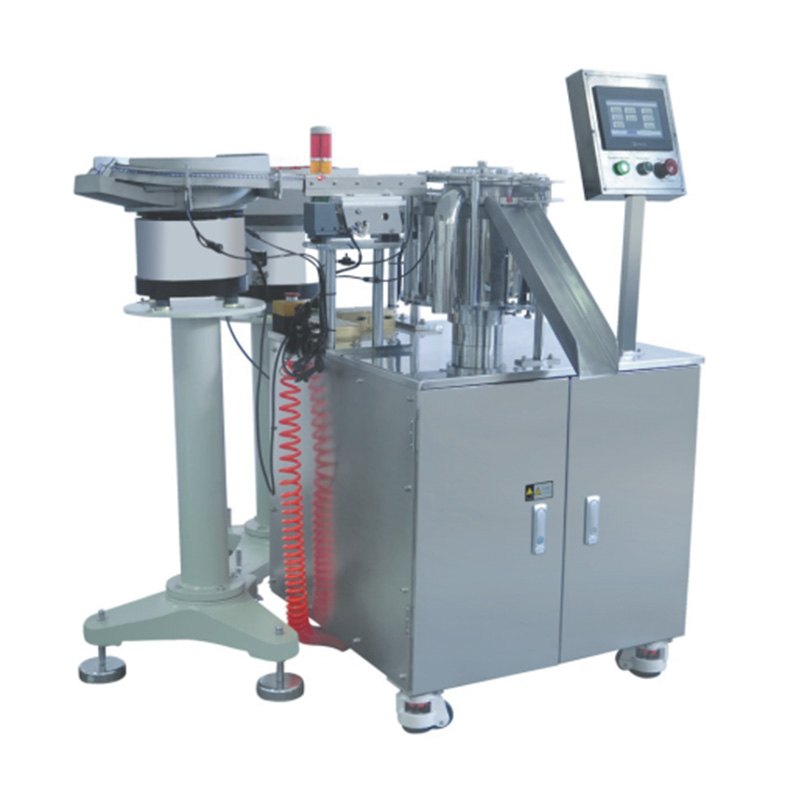
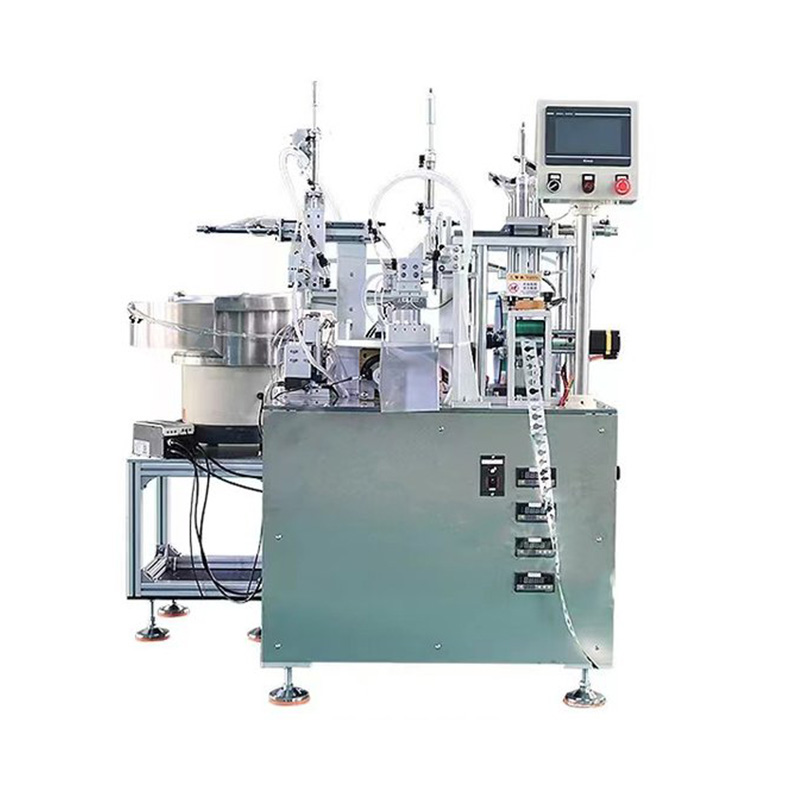
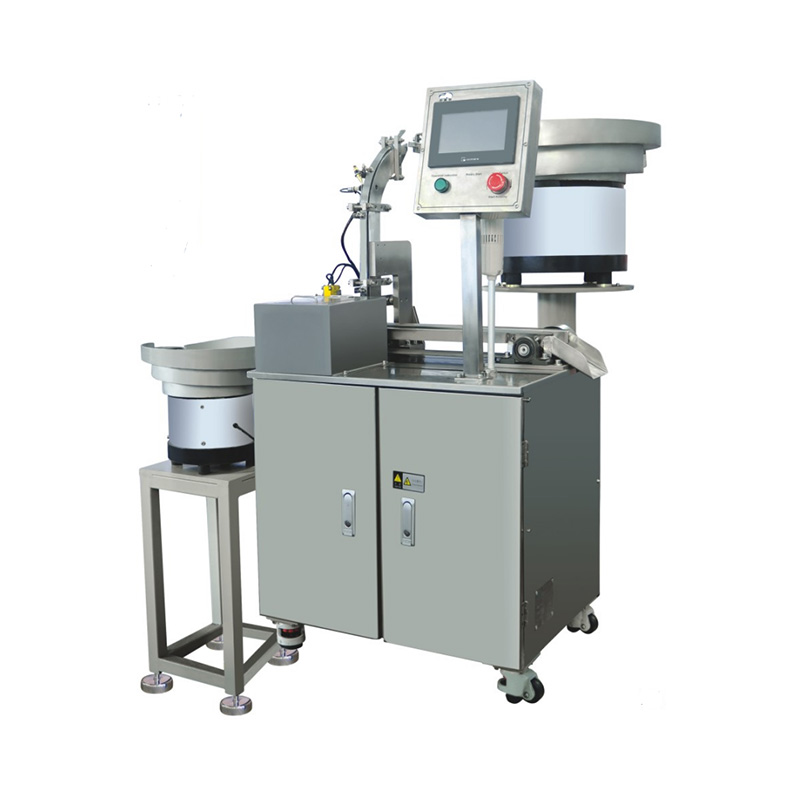
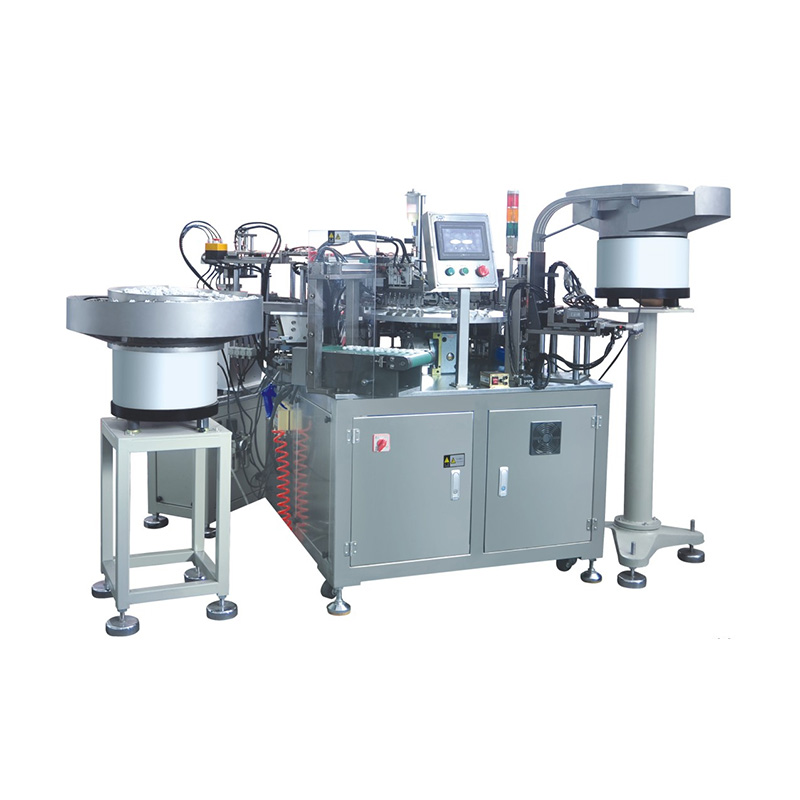
China Zhejiang Taizhou Ambe Trading Co., Ltd. is a manufacturer specializing in the production of medical equipment automation equipment.
Quality control in medical device manufacturing can't be an afterthought tacked onto the end of the line. Connectors, diagnostic parts, infusion components, surgical instrument assemblies—they all have to hit strict targets for accuracy, safety, and reliability. And as production lines get more automated, finding efficient ways to catch defects and keep quality steady turns into a genuine engineering headache.
Inline testing takes a different approach: it puts inspection and functional checks right into the production flow. Modern Medical Device Assembly Machines use cameras, sensors, and automated testing to catch assembly problems at various stages. The payoff is fewer defects, better process consistency, and production records you can actually trust.
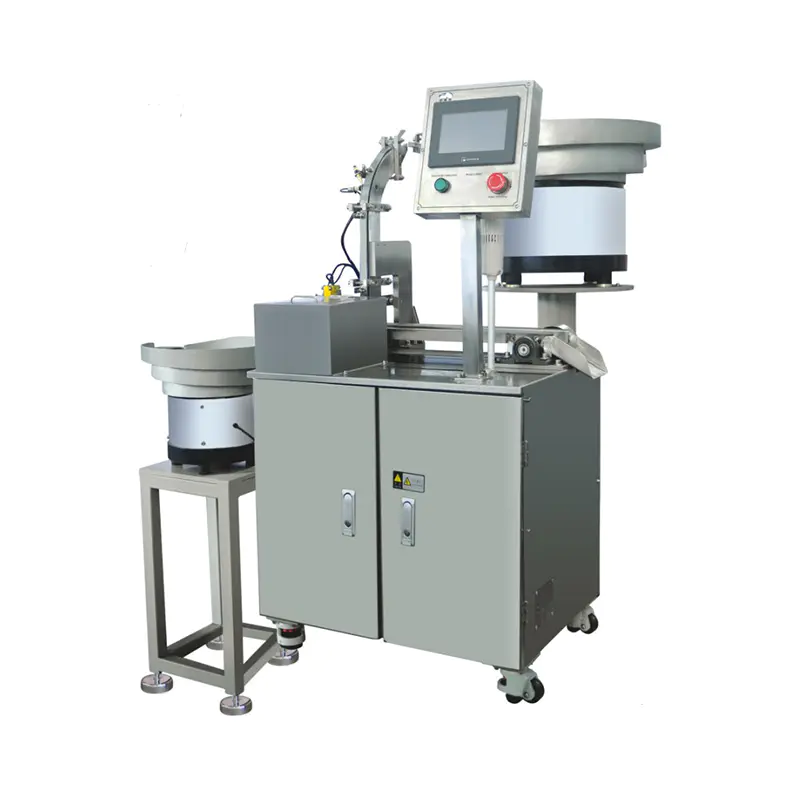
What Is Inline Testing in Medical Device Assembly?
Think of inline testing as inspection that happens where the work happens. Components get checked at specific stations—no detour to a separate inspection area for every single product.
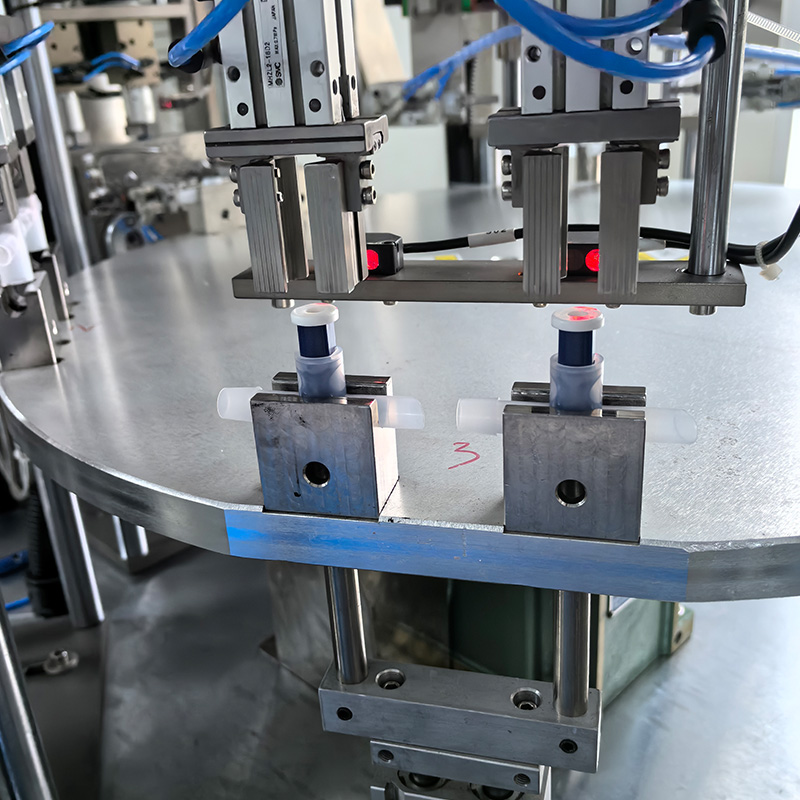
What gets verified depends on the application: component presence, orientation, insertion depth, electrical performance, sealing integrity. Take a medical connector line. A vision system might check terminal positioning before insertion. A force sensor watches the insertion, then an electrical continuity test follows. Each stage measures a specific quality characteristic against predefined acceptance criteria. If something falls outside the approved range, the machine can alarm, stop the operation, or reject the component automatically.
How Inline Testing Improves Defect Detection
The real win here is catching problems early. Inspecting right after a critical assembly step means you find issues before additional production steps pile on more cost and complexity.
What kind of defects show up?
- Missing or incorrectly positioned components.
- Incomplete insertion and improper fitting.
- Surface scratches and visible molding defects.
- Incorrect electrical connections.
- Leakage in fluid-handling assemblies.
Early detection cuts unnecessary processing, material waste, and rework costs. Inline monitoring also tells you something about process stability. Repeated changes in insertion force, for instance, may point to tooling wear, component variation, or mechanical misalignment. Production engineers can dig into those changes before they balloon into bigger quality problems.
Key Technologies Used in Inline Testing Systems
Modern assembly equipment mixes different testing technologies based on what the product actually needs.
Machine vision systems use cameras and image-processing software to identify missing components, incorrect orientation, and visible defects. They work well for small medical parts that require accurate positioning.
Force and displacement sensors monitor mechanical operations like press-fitting, snap-fitting, and terminal insertion. Abnormal force patterns can flag incorrect alignment, incomplete assembly, or component damage.
Electrical testing systems verify selected electrical characteristics—continuity, insulation performance—where relevant to the product.
Leak testing equipment uses pressure decay, vacuum, or other suitable methods to evaluate sealing performance in fluid-handling components.
The right combination depends on the product's critical quality characteristics and the risks tied to each assembly operation.
Comparing Common Inline Testing Methods
| Testing method | Main purpose | Typical application |
|---|---|---|
| Machine vision | Check positioning and visible defects | Medical connectors and plastic housings |
| Force monitoring | Verify mechanical assembly consistency | Press-fit components |
| Dimensional measurement | Check critical dimensions | Precision molded parts |
| Electrical testing | Verify electrical connections | Sensors and electronic components |
| Leak testing | Evaluate sealing integrity | Fluid connectors and tubing assemblies |
Combining several methods can provide broader inspection coverage. But each test should address a defined quality requirement. Unnecessary inspection stages add equipment complexity and cycle time without delivering meaningful quality benefits.
How Inline Testing Strengthens Production Traceability
You need proof that the process stayed within spec—that's where inline testing earns its keep. These systems log product IDs, measurements, machine settings, timestamps, pass/fail results, all automatically. Quality teams can then dig into defects, spot recurring issues, and review production history without digging through paper trails. Hook the system up to a manufacturing execution system and you get batch tracking and production analysis on top.
Data integrity isn't optional. Access controls, reliable timestamps, secure records, sensible retention policies—they keep the documentation trustworthy. And the testing equipment itself needs validation. Can it consistently tell good parts from bad ones? Calibration, measurement system analysis, documented acceptance criteria—those are the pieces that prove it.
Challenges When Implementing Inline Testing
Inline testing sounds great on paper, but putting it in place takes real engineering. Production speed is an obvious one—camera processing and functional tests can stretch cycle time if they aren't woven into the sequence properly.
False rejection is another headache. Bad lighting, shaky fixtures, inspection limits set too tight—they'll fail parts that are actually fine. Regular maintenance and system verification keep that under control.
Then there's the question of what happens to rejected parts. You need clear procedures: identify them, isolate them, keep them from moving downstream. Sounds simple until you're on a busy line.
Before going full-scale, run trials with representative samples, including known defective parts. That's the only way to confirm the system works under real conditions.
Building More Reliable Medical Device Production Processes
Inline testing is turning into a core capability for modern Medical Device Assembly Machines. Checking critical characteristics during production means defects get caught earlier, assembly consistency gets monitored, traceability gets stronger.
Getting it right comes down to picking the right inspection technologies, setting measurable acceptance criteria, and validating the whole process. Integrate these capabilities during machine design and you'll have an easier time coordinating inspection stations, production speed, and data collection.
A well-planned inline testing system gives manufacturers tighter control over production and more consistent quality in the medical components they ship.