
 English
 русский
 Español



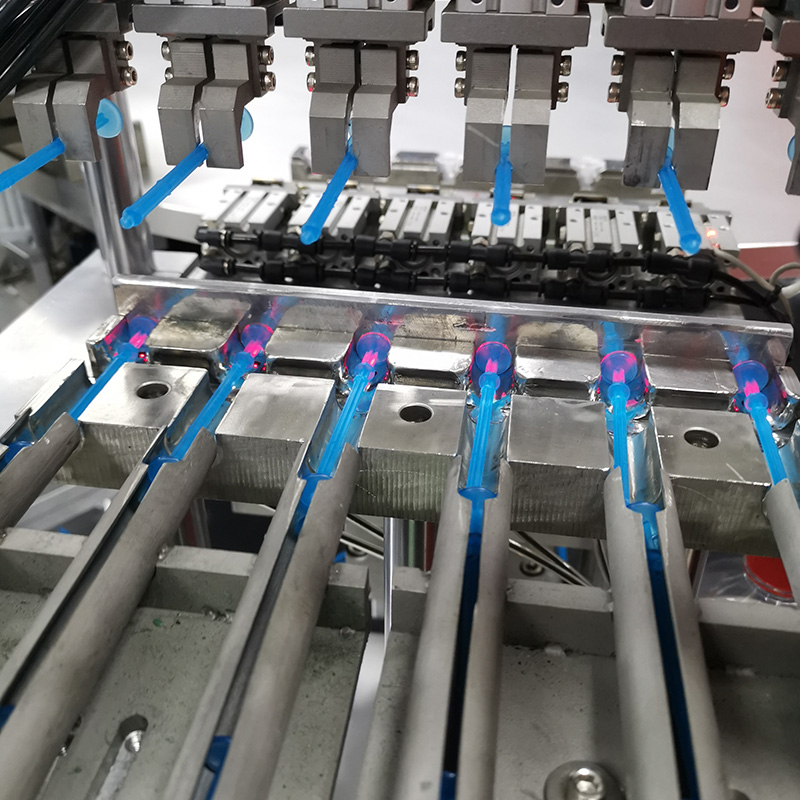
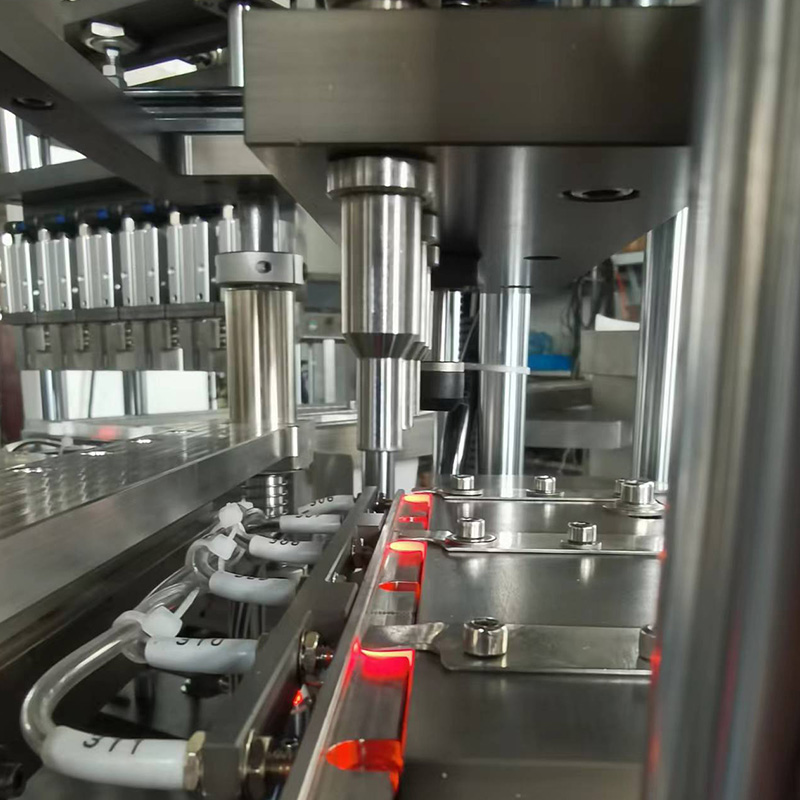
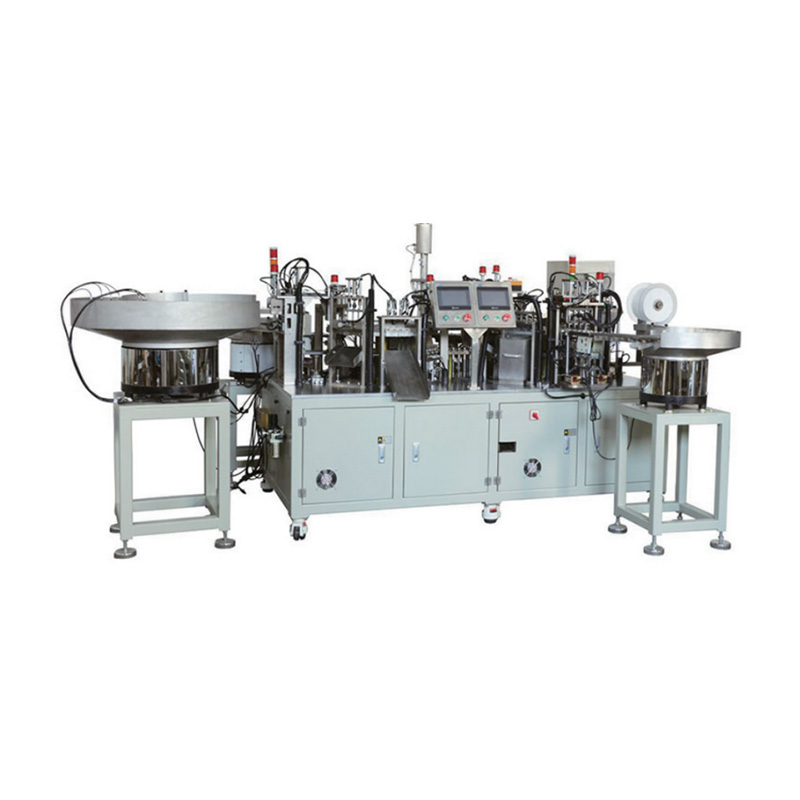
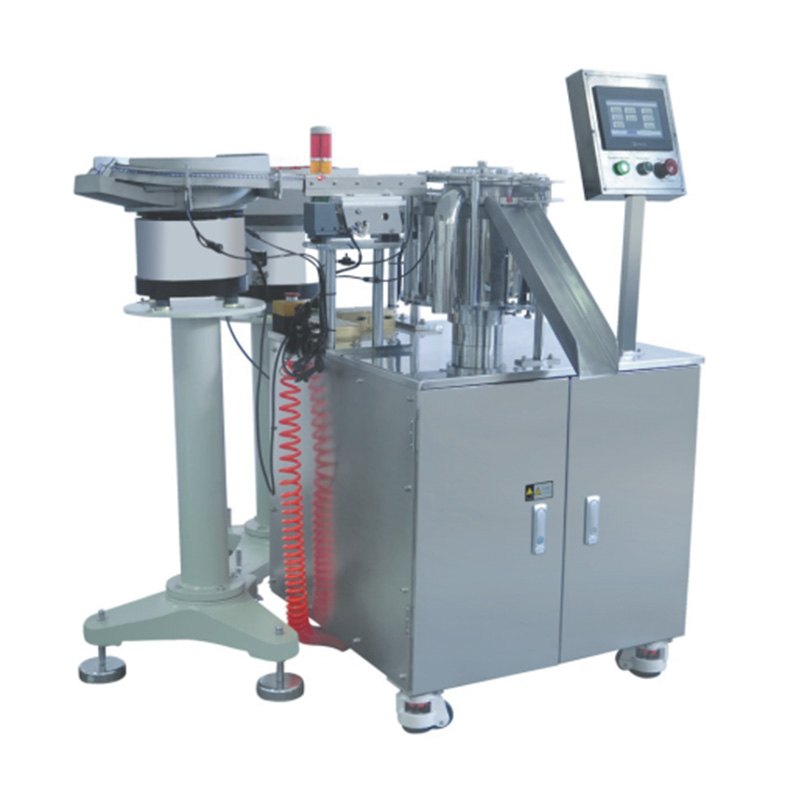
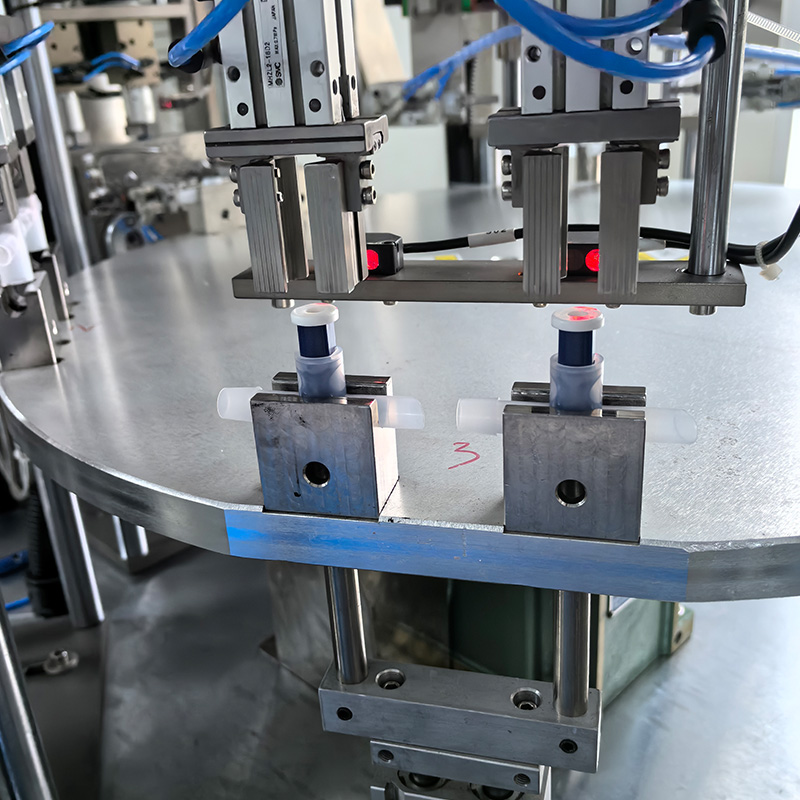
China Zhejiang Taizhou Ambe Trading Co., Ltd. is a manufacturer specializing in the production of medical equipment automation equipment.
Leaks in medical fluid devices are one of those problems that seem small until they aren't. A drip from a tubing connection or a slow seep at a valve interface can throw off dosing accuracy, mess with device performance, and put patients in harm's way. Stopping that from happening isn't about one clever fix—it comes down to how well the component is designed, what it's made from, and how carefully it's put together.
Medical Plastic Components are where a lot of that work happens. Connectors, fittings, valve housings, sealing interfaces, reservoirs—get the dimensions right and the connections secure, and fluid stays where it's supposed to. Get them wrong and you'll hear about it.
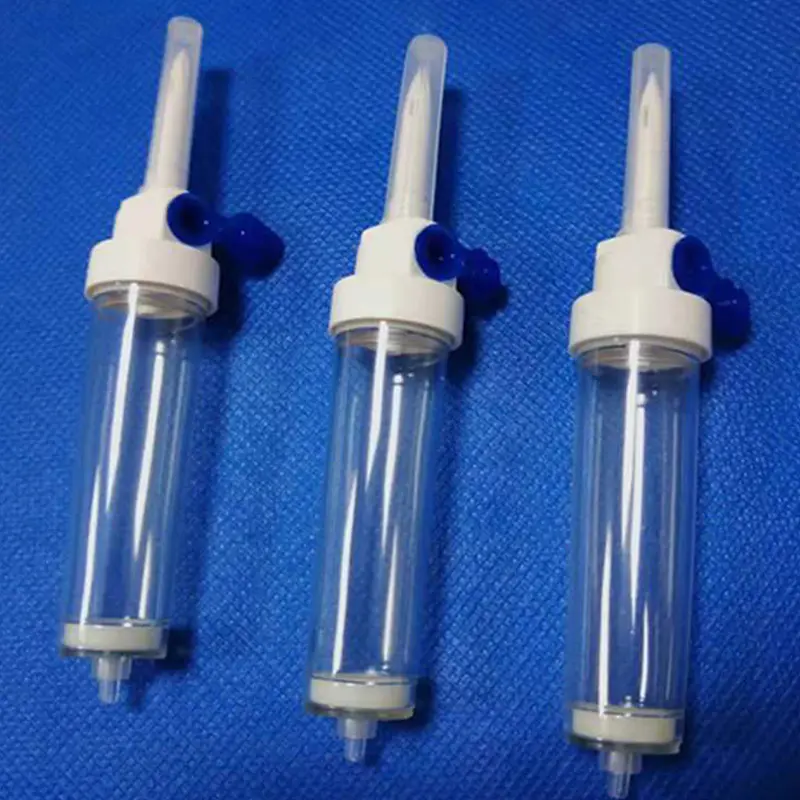
Why Leakage Prevention Matters in Medical Fluid Management Devices
Medical fluid devices don't all operate the same way. Infusion systems, dialysis equipment, drainage devices, diagnostic fluid-handling products—each brings its own pressures and fluid-contact demands. Leaks tend to show up at the usual suspects: tubing connections, valve interfaces, molded joints, reservoir closures. The causes aren't mysterious either. Dimensional inconsistency, material deformation, poor sealing contact, sloppy assembly—any one of them can start a leak.
Why does it matter so much?
- Fluid delivery accuracy takes a hit. Leaks change how much fluid gets delivered or collected.
- Contamination control suffers. Unintended openings give outside contaminants a way in.
- Device reliability drops. Poor connections interrupt normal operation.
- Safety risks climb. Fluid exposure creates handling and clinical problems nobody wants.
The smart move is to map potential leakage points early in development and set measurable performance requirements for each critical interface. Not after the design is locked in—during.
How Precision Molded Plastic Components Improve Sealing Performance
Injection molding gives manufacturers complex medical components with tightly controlled geometry. That matters for fluid connectors, valve bodies, tubing interfaces. A molded connector has to hold its tolerances around the insertion diameter and sealing surface. Drift too far and you get insufficient contact pressure or assembly force that's way too high.
What design features actually help?
- Controlled mating dimensions: consistent diameters, wall thicknesses, interface geometries keep connections predictable.
- Integrated sealing structures: molded grooves and locating features position O-rings or other sealing elements accurately.
- Smooth functional surfaces: good surface quality cuts down on scratches and irregularities that interfere with sealing.
- Stable component geometry: the right material and molding conditions minimize warpage and dimensional changes.
- Mold design, gate location, cooling conditions, process control—all of it shapes what comes out of the tool.
Selecting Suitable Materials for Fluid Contact Applications
Material choice directly affects how well a component resists leakage. Medical plastics have to hold their mechanical properties and chemical compatibility under whatever conditions the device will see.
| Material | Common application | Relevant properties | Key consideration |
|---|---|---|---|
| Polypropylene (PP) | Fluid connectors and reservoirs | Chemical resistance and lightweight structure | Grade-specific compatibility |
| Polycarbonate (PC) | Transparent housings and chambers | Strength and optical clarity | Chemical stress cracking risk |
| Polyethylene (PE) | Tubing and fluid containers | Flexibility and chemical resistance | Creep and dimensional stability |
| PEEK | Precision fluid components | Mechanical strength and chemical resistance | Higher material and processing cost |
| Medical-grade PVC | Tubing and flexible fluid pathways | Flexibility and established processing methods | Plasticizer and formulation compatibility |
No single material works for every medical fluid application. The specific fluid formulation, temperature, pressure, contact duration, sterilization method—all of it has to be evaluated. Chemical compatibility testing deserves particular attention because certain fluids or cleaning agents can cause swelling, cracking, or shifts in mechanical performance. Those changes don't always show up right away.
How Connector and Joint Design Helps Prevent Fluid Leakage
Connections are where leaks love to start. A well-designed connector keeps a secure interface under expected operating conditions.
The common approaches:
- O-ring sealing: elastomeric rings create compression between mating surfaces.
- Threaded connections: properly designed threads provide controlled engagement and retention.
- Snap-fit structures: mechanical locking features prevent accidental disconnection.
- Interference-fit connections: controlled dimensional overlap creates contact pressure.
- Welded joints: suitable plastic joining processes create permanent connections between compatible parts.
Each method brings its own requirements. O-ring systems live or die on groove dimensions, compression, elastomer properties, surface condition. Welded joints need control of energy input, joint geometry, material compatibility. Pick the connection method based on pressure requirements, maintenance needs, assembly conditions, intended product life—not just what's easiest to mold.
Manufacturing Quality Controls That Reduce Leakage Risks
A well-designed component still fails if manufacturing drifts. Quality control has to cover individual components and completed assemblies.
| Quality control method | Purpose | Typical application |
|---|---|---|
| Dimensional inspection | Verify critical interface dimensions | Molded connectors |
| Visual inspection | Identify cracks, flash, and surface defects | Plastic housings and fittings |
| Pressure testing | Evaluate resistance to specified pressure | Fluid pathways |
| Vacuum testing | Detect leakage under negative pressure | Sealed chambers |
| Pressure decay testing | Identify changes associated with leakage | Closed fluid assemblies |
| Assembly force monitoring | Check connection consistency | Press-fit connectors |
Test parameters should reflect actual operating conditions and product specifications. Pressure limits, test duration, temperature, acceptance criteria—those come from engineering evaluation, not guesswork.
For medical devices, validation should show that the test method reliably catches relevant leakage defects. Sampling plans and production monitoring should match the risk level of the device.
The Role of Sterilization and Long-Term Durability
Sterilization can change plastic components and sealing materials. Gamma irradiation, ethylene oxide, other validated methods may affect polymer strength, flexibility, color, dimensional stability. Repeated pressure exposure, temperature changes, mechanical loading—they all influence long-term sealing performance too.
Evaluate components after sterilization and under representative aging conditions. For reusable devices, testing should account for expected cleaning and reprocessing cycles. That's how you catch material degradation or interface changes before they turn into leakage problems in the field.
Building More Reliable Fluid Management Devices Through Better Component Engineering
Reducing leakage risks takes coordination—material selection, precision molding, connector design, manufacturing inspection all pulling in the same direction. Medical Plastic Components do their part when dimensions, surface characteristics, and mechanical properties meet clearly defined requirements.
For device manufacturers, the practical path is straightforward: identify critical sealing interfaces early, verify performance through representative testing, and combine appropriate materials with controlled molding and validated leak-testing procedures. Do that and product reliability improves, manufacturing quality stays consistent, and the leaks stay where they belong—out of the picture.